

+39 0331 465.200

lazzati@lazzati.eu

Via Rugareto, 7
20027 Rescaldina (MI) – Italy

History

A Century of Engineering, Continuity and Evolution

From the Rovai family heritage of 1921 to the 1939 foundation of LAZZATI, our history reflects engineering competence, hydrostatic innovation and four generations dedicated to precision machining.
Philosophy

Continuity & Evolution

To deliver hydrostatic high-performance boring and milling machines that maintain accuracy, rigidity and reliability over decades — enabling our customers to focus on what they do best.

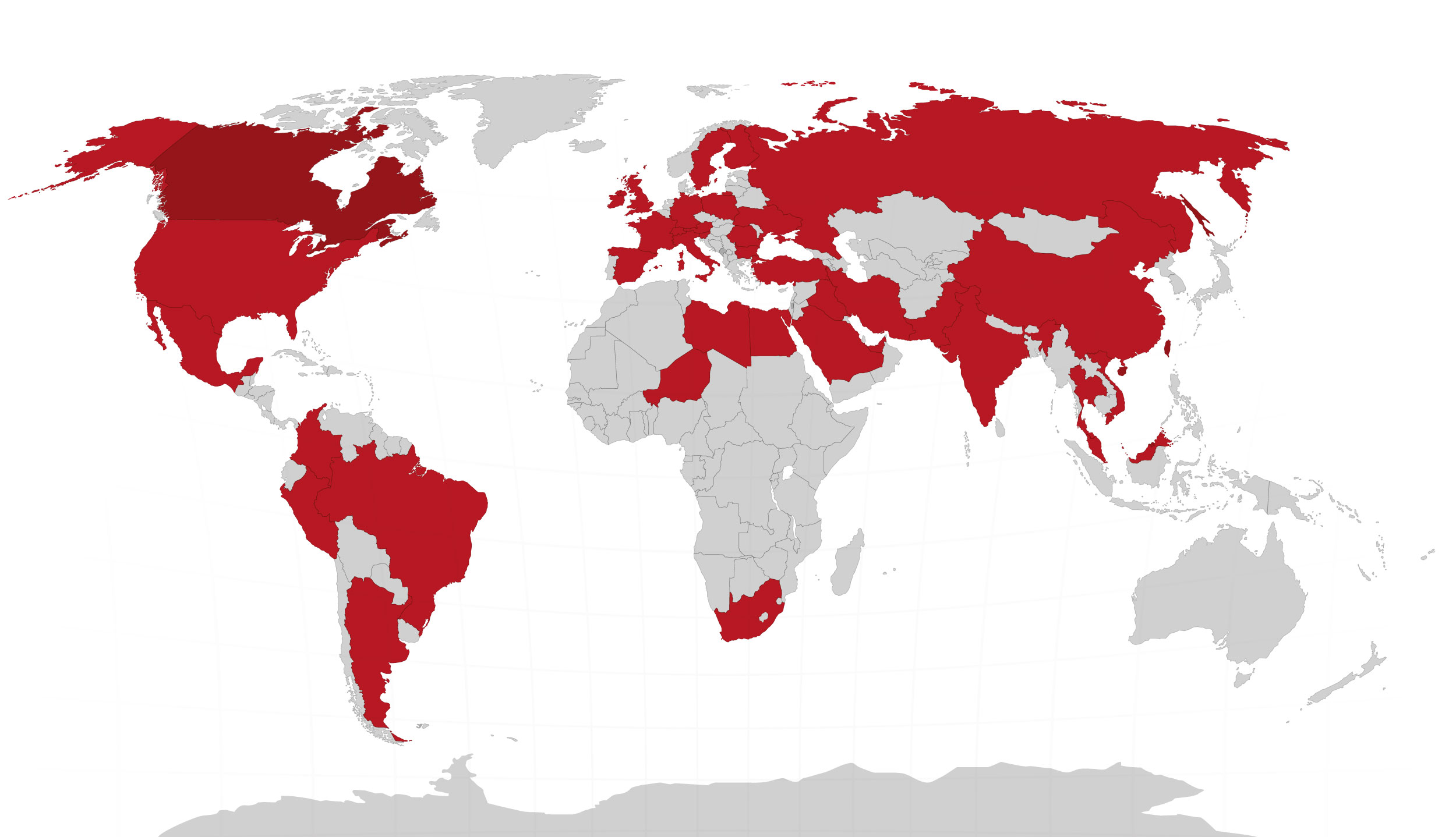
Contacts in the world

lazzati in the world
Istitutional
Technical
Case study
The posts you requested could not be found. Try changing your module settings or create some new posts.

Linea Floor-Type

Hydrostatic CNC Floor-Type Boring and Milling Machines. Learn more ›

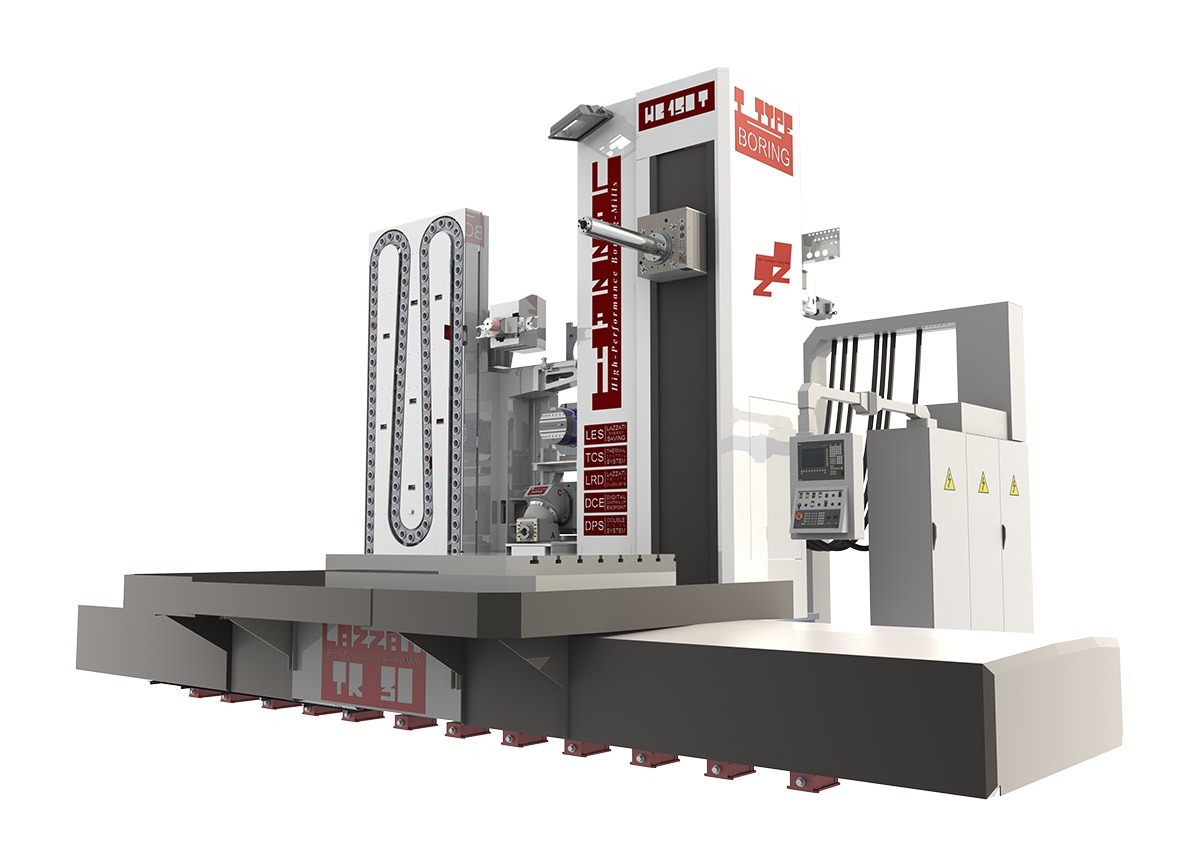
Linea T-Type Evo4.0

Hydrostatic Boring Milling Machines “T” Moving Column. Learn more ›

Floor-Type Ram Boring Evo4.0

Ram Boring Evo4.0

Designed for deep boring, maximum rigidity, and long-term accuracy on the largest industrial components.

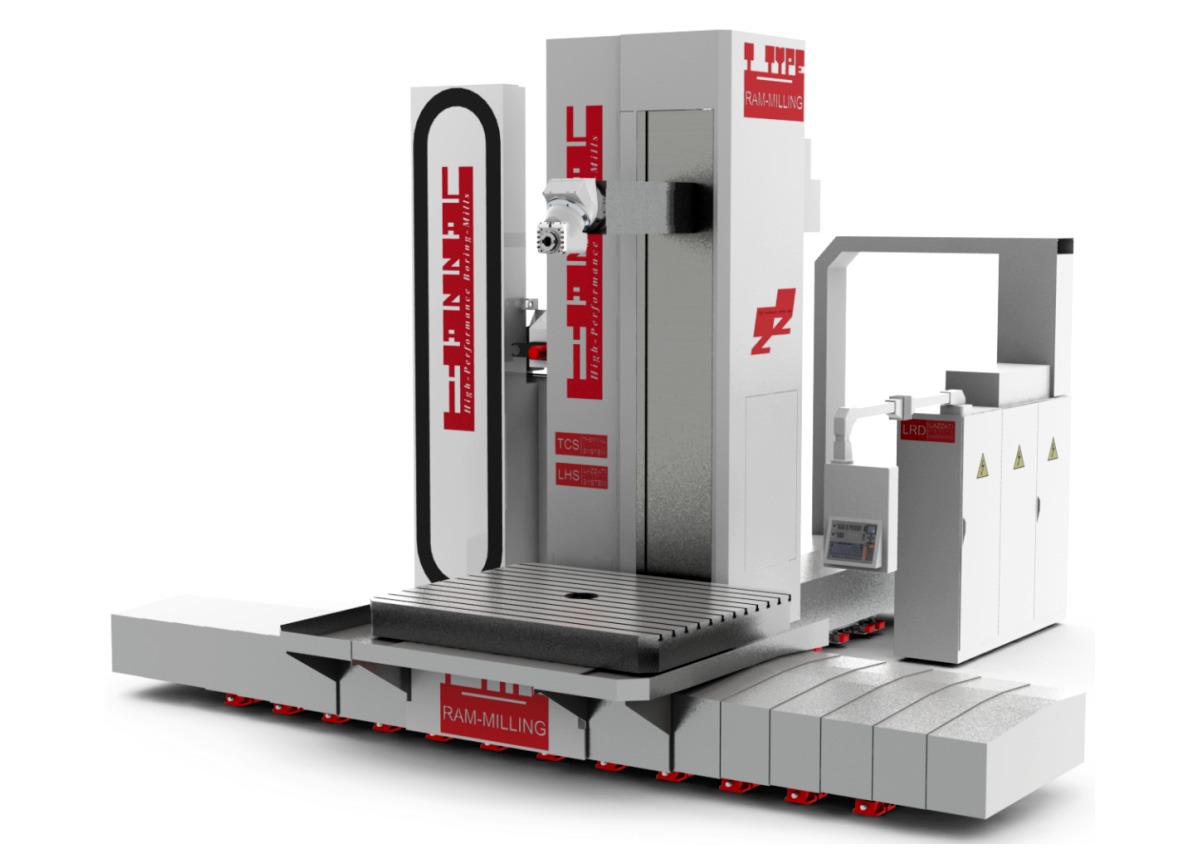
Floor-Type Ram Milling Evo4.0

Ram Milling Evo4.0

Built for large-scale precision machining. Multi-face milling, hydrostatic rigidity, and long-term accuracy retention

T-Type Boring Evo4.0

Boring Evo4.0

Engineered for deep axial boring, multi-face machining, and zero-wear longevity on medium-to-large components.

T-Type Milling Evo4.0

Milling Evo4.0

Hydrostatic milling with fixed ram architecture, universal head and rotary table capability for high-performance on large components

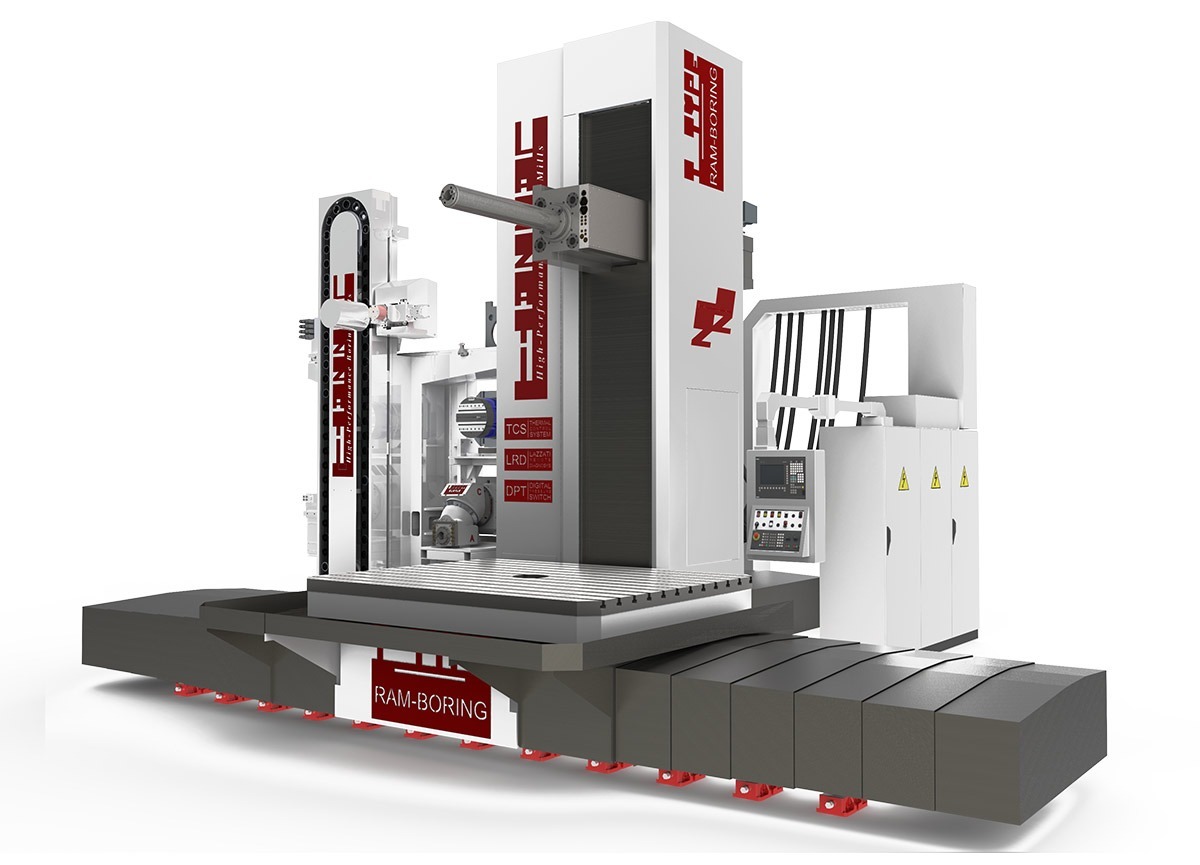
T-Type Ram Boring Evo4.0

Ram Boring Evo4.0

High-power hydrostatic boring for complex components requiring maximum rigidity, extended reach, and lifetime accuracy.

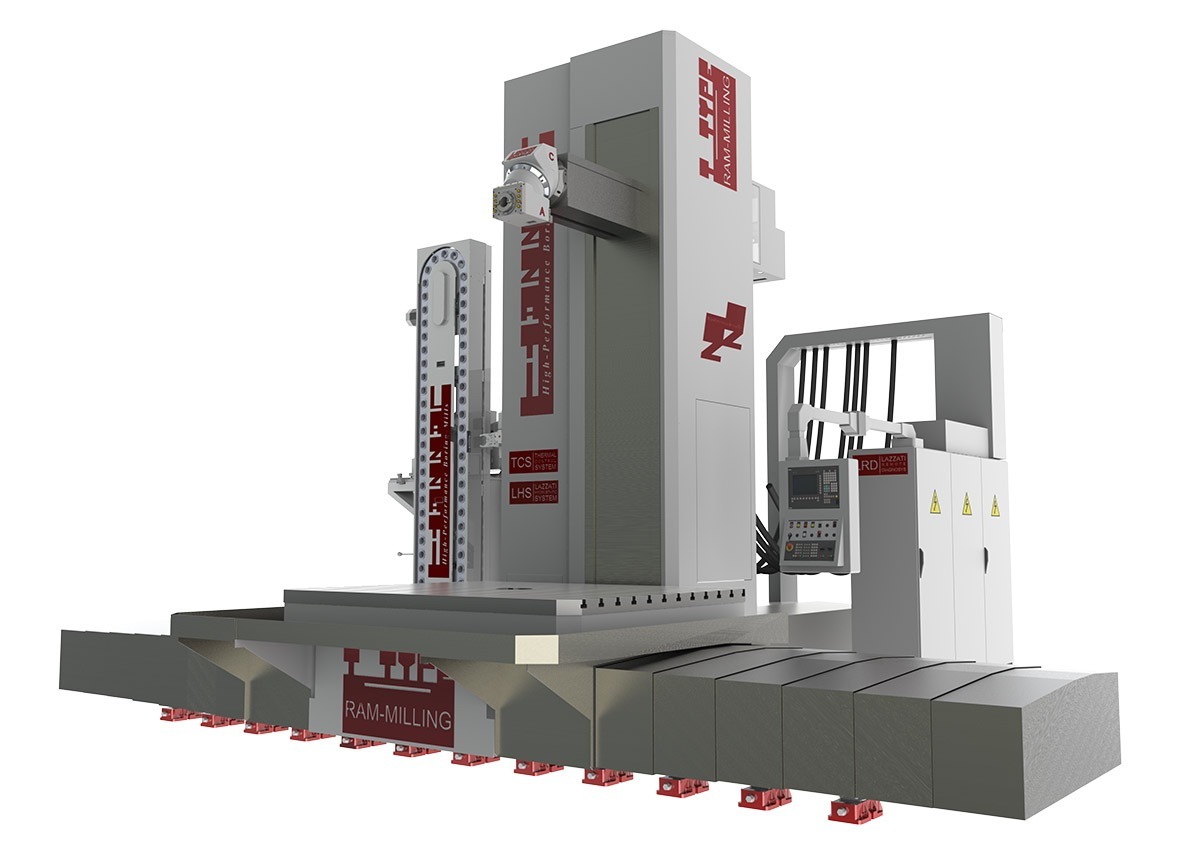
T-Type Ram Milling Evo4.0

Ram Milling Evo4.0

Hydrostatic Planer Type architecture with moving ram, universal head and rotary table, engineered for rigidity, reach and lifetime accuracy.

Accessories

Accessories

Explore how our accessories can improve your operations and increase your productivity.

LAZZATI BlueTech4.0

LAZZATI BlueTech4.0

Hydrostatic Regeneration. Digital Upgrade. Extended Lifetime Accuracy.

Short Delivery

Short Delivery

Select Evo4.0 models available ready-to-ship. Full LAZZATECH integration included.

Aerospace

Precision machining of structural components, fixtures, large tooling and landing-gear elements requiring accuracy retention during long strokes.

Energy

High structural rigidity and thermal stability for turbine housings, rotors, casings, wind energy components, nuclear applications and power generation systems.

Oil & Gas

Deep boring, high-load machining and long-component processing for valves, manifolds, BOP, casings and forged pressure-equipment elements.

Heavy Industry

Machining of large welded structures, shipbuilding components, railway frames, earthmoving and construction equipment, mining machinery and heavy mechanical assemblies.

Defense

Accuracy and stability for armored structures, carriers, defense-vehicle components and critical assemblies.

General Engineering & Tooling

Mould & die manufacturing, automotive tooling, subcontracting, general machining and fine-tolerance precision work.

LAZZATI History: A Century of Engineering, Continuity and Evolution

From the Rovai family heritage of 1921 to the 1939 foundation of LAZZATI, our history reflects engineering competence, hydrostatic innovation and four generations dedicated to precision machining.

LAZZATI History

Lazzati history

Our Dual Heritage: 1921 and 1939

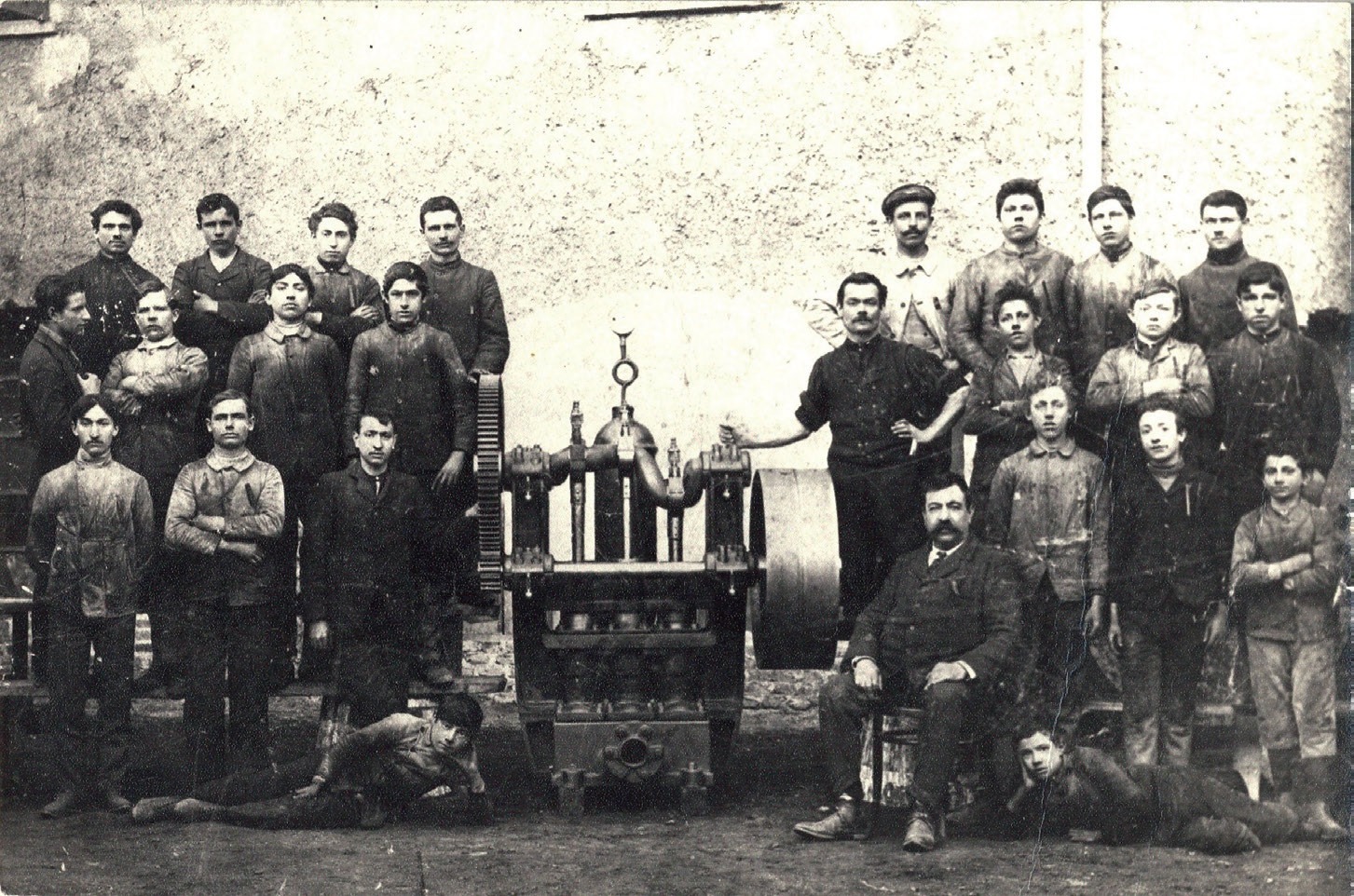
1921 – The Rovai Family's Engineering Origins

The story begins in 1921 with Rovai & Jori, founded by Renato Rovai (1st generation), a complete machine-tool manufacturer producing boring mills, lathes, milling machines, drilling machines and gear cutting machines. A multidisciplinary foundation that builds strong expertise in spindle engineering, linear and rotary motion, hydraulic automation and high-rigidity structures. For more than thirty years, the Rovai family develops a practical engineering culture that will later shape LAZZATI’s identity.

1939 – Foundation of LAZZATI in Legnano (Milan)

In 1939, Giuseppe Lazzati establishes LAZZATI in Legnano (Milan), focusing on horizontal boring mills and precision machining systems.

1954 – When the Two Stories Become One

In 1954, Faliero Rovai (2nd generation of the Rovai family) joins LAZZATI as partner, bringing three decades of machine-tool expertise and introducing the HB 80, one of the first boring mills with rapid feed up to 1,000 mm/min. From this moment, the two engineering heritages merge into a single continuous story.

1954–Today

Timeline of Innovation

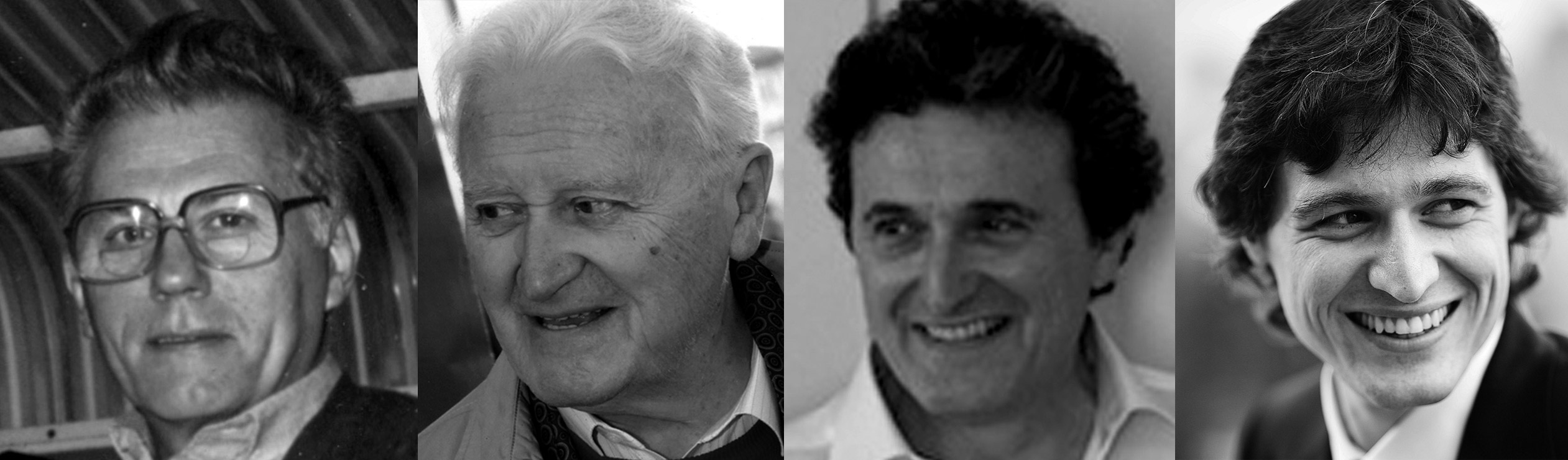
LAZZATI’s philosophy is built on concrete principles:
LAZZATI History
1954

Launch of HB 80

High-performance boring mill with rapid feed up to 1,000 mm/min.

1958

HB 76 with Hydraulic Automation

Compact boring mill equipped with advanced hydraulic control systems.

1960

Acquisition of Bordiga (Turin)

Integration of planer and planer-type milling expertise, expanding LAZZATI’s structural know-how.

1970

Modular Platforms HB 100–115–127

New modular architectures for universal and mobile-column boring mills.
1972

First LAZZATI CNC Machine: HB 130MT

LAZZATI develops its first CNC boring mill, the HB 130MT, designed with dual movement (spindle and RAM)
1975

Hydrostatic Engineering by Ing. Renato Rovai (3rd Generation)

Developed in-house by Ing. Renato Rovai (3rd generation of the Rovai family), LAZZATI introduces its first hydrostatic mobile-column machine, marking the beginning of the company’s hydrostatic evolution.
1978

New Assembly Plant in Rescaldina

Expansion dedicated to large machine assembly.
1980

HB 5M Hydrostatic Milling-Boring Line

Among the first hydrostatic mobile-column milling machines with full RAM and milling head movement.

1984

Complete Relocation to Rescaldina

LAZZATI consolidates all operations in the current headquarters; full CNC-based production.

1985

First Automatic Universal Milling Head (1° × 1°)

LAZZATI develops its first automatic universal milling head with 1° × 1° indexing, expanding multi-axis machining capabilities.

1988–1990

First Standard Production of the T-Type Architecture

LAZZATI develops the first standard production of the T-Type architecture, featuring a mobile column combined with a rotary table, opening the path to the modern T-Type product line.

1986–2010

Hydrostatic Consolidation and Mechatronic Development

1986

100% Rovai Family Ownership

Start of the modern engineering phase with deeper hydrostatic development and full internal R&D.
1992

Development of the DCS (Dynamic Compensation System)

Early dynamic compensation system for real-time structural correction during machining.
2001

Development of the TCS (Thermal Control System)

Thermal stabilization system designed to eliminate temperature-induced drift during long machining cycles.

2006

Development of L-DAS (LAZZATI Dynamic Axis Setup)

Intelligent system for dynamic configuration of linear axes and rotary table, with selectable modes – Power, Normal and Finish for the axes; Heavy, Normal and Light for the table – designed to adapt machine behaviour to load conditions and machining phase.
2008–2012

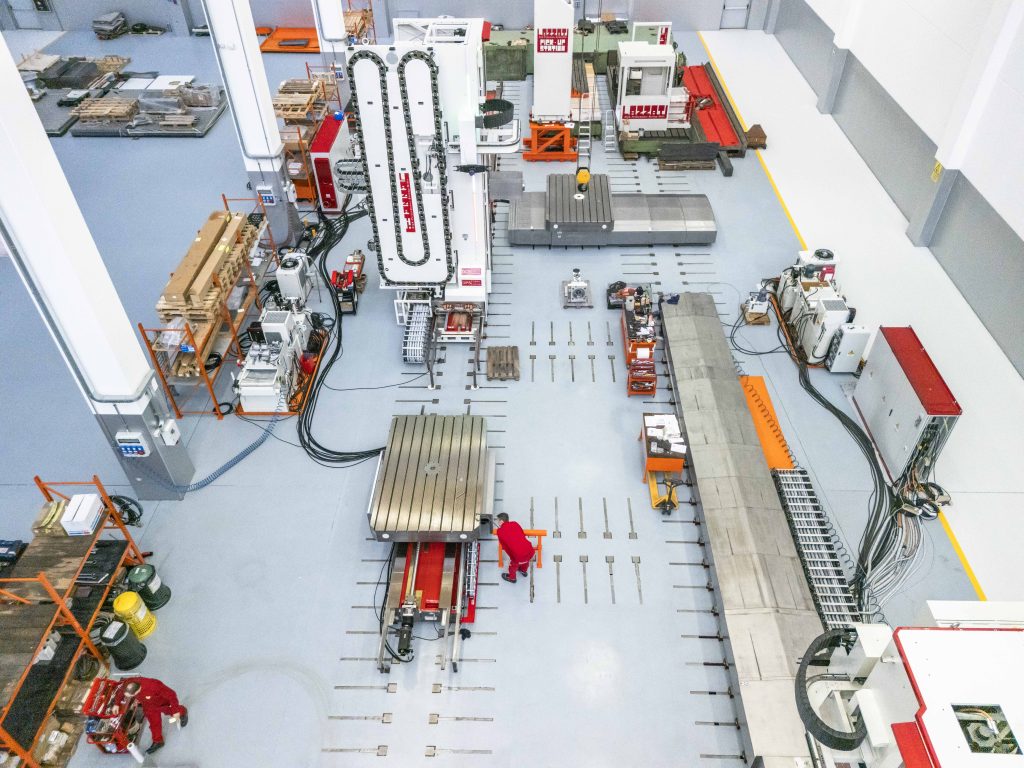
New Assembly Hall for Large Machines

A single 7,200 m² hall is built in Rescaldina, equipped with overhead cranes up to 100 tons and 16.5 meters height. Dedicated to large Floor-Type and T-Type hydrostatic machines.
2010–2025

Digital Transformation and Modern Hydrostatic Architecture

2010–2018

Early Mechatronic and Digital Systems

Foundation for what becomes the LAZZATECH architecture.
2018–2025

BlueTech4.0 Regeneration Program

Hydrostatic regeneration and digital upgrade of existing machines aligned with current LAZZATECH standards.
2020–2025

Consolidation of the LAZZATECH Platform

Integration of hydrostatic, mechatronic and digital systems forming the current LAZZATECH architecture across all product families.

Today – Fourth Generation at the Helm

LAZZATI is led by Renato Rovai (CEO & President) together with Manfredi Rovai and Marianna Rovai (4th generation), combining a century of family engineering heritage with advanced hydrostatic technology and modern digital systems.

Continuity & Evolution

Our Engineering Philosophy

A long-term approach based on structural precision, hydrostatic stability, mechatronic intelligence and customer-driven value. A philosophy carried forward through four generations.

Made in Italy, Engineered for Value

Every machine is designed, manufactured and tested in our Rescaldina headquarters. A tradition dating back to 1939, strengthened by the Rovai family’s engineering heritage since 1921.
Engineered to last. Built to perform.
Hydrostatic excellence since 1939.

LAZZATI S.p.A. traces its heritage to the Rovai family’s machine-tool manufacturing legacy beginning in 1921, merged with LAZZATI’s foundation in 1939 in Legnano, Milan. For over 85 years, LAZZATI has been designing and manufacturing hydrostatic CNC boring, milling and multitasking machines, with four generations of the Rovai family at the helm. The company’s evolution from early mechanical designs through CNC development (HB 130MT, 1972) to hydrostatic engineering (1975) and modern T-Type architecture (1988–1990) reflects continuous innovation. Key technology milestones include the DCS (Dynamic Compensation System, 1992), the TCS (Thermal Control System, 2001), and the L-DAS (LAZZATI Dynamic Axis Setup, 2006), culminating in the integrated LAZZATECH platform (2020–2025). Today, under the leadership of Renato, Manfredi, and Marianna Rovai (4th generation), LAZZATI represents Made in Italy engineering excellence, combining hydrostatic precision, structural rigidity, and digital Industry 4.0/5.0 integration. Ideal for aerospace, energy, oil & gas, heavy fabrication and precision engineering sectors, LAZZATI machines deliver investment-grade reliability and lifetime accuracy maintained through proprietary systems and comprehensive LO&M support.