






Defense Applications
Machining Requirements in the Defense Industry
Defense manufacturing involves large and structurally critical components that must meet strict dimensional and geometric requirements.
Typical applications include armored structures, vehicle frames and heavy assemblies where machining accuracy must be preserved over long strokes and extended machining cycles.
Components often present complex geometries, high material thicknesses and demanding tolerance requirements. In these conditions, machining stability, rigidity and repeatability are essential to ensure reliable assembly and functional performance.
Machine architecture therefore plays a decisive role in maintaining accuracy and consistency throughout the entire machining process.
Hydrostatic Technology for Defense Machining
LAZZATI Evo4.0 machines are based on full hydrostatic guideways that provide constant axis support independently from load variations and cutting forces.
The hydrostatic architecture eliminates mechanical contact on the axes, reducing friction-related wear and maintaining stable positioning behaviour over time.
This is particularly relevant in defense applications, where large and heavy components generate variable loads during machining.
Combined with rigid mechanical structures and controlled thermal behaviour, hydrostatic technology supports predictable and repeatable machining results for defense manufacturing environments.
Typical Defense Components
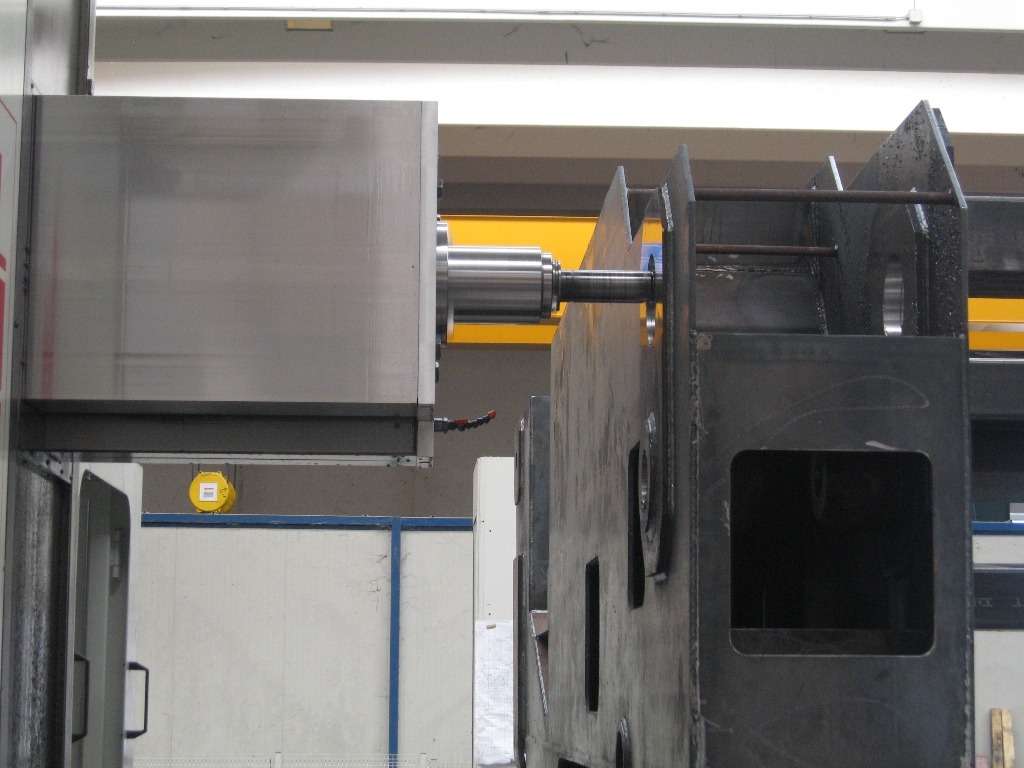
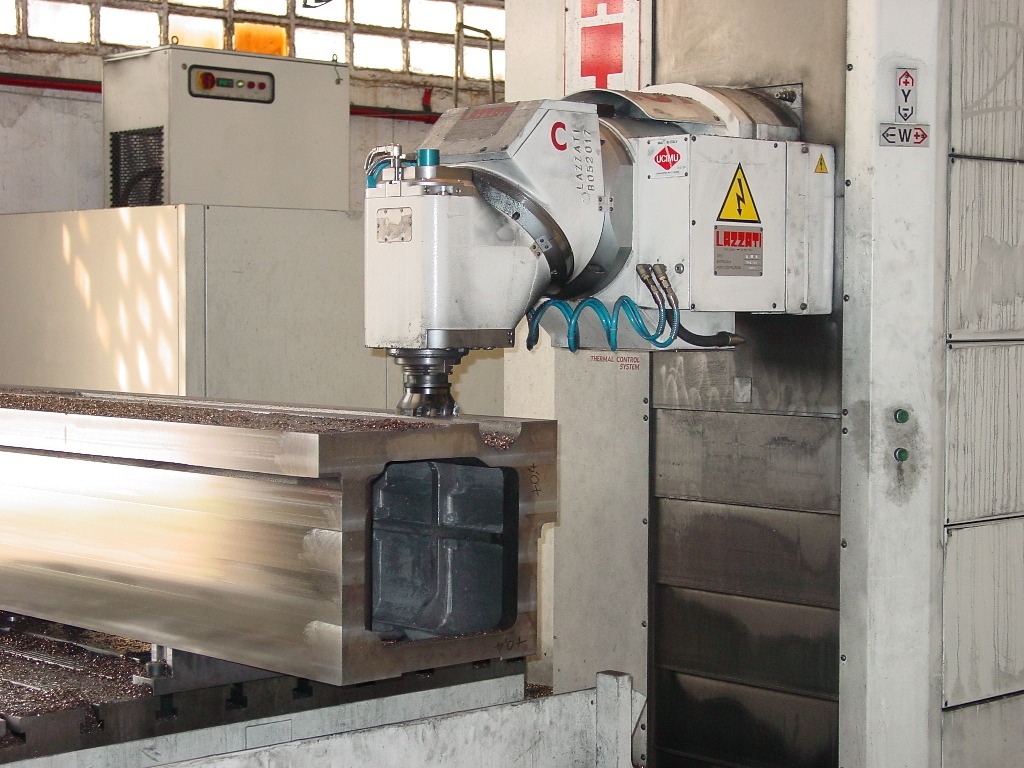
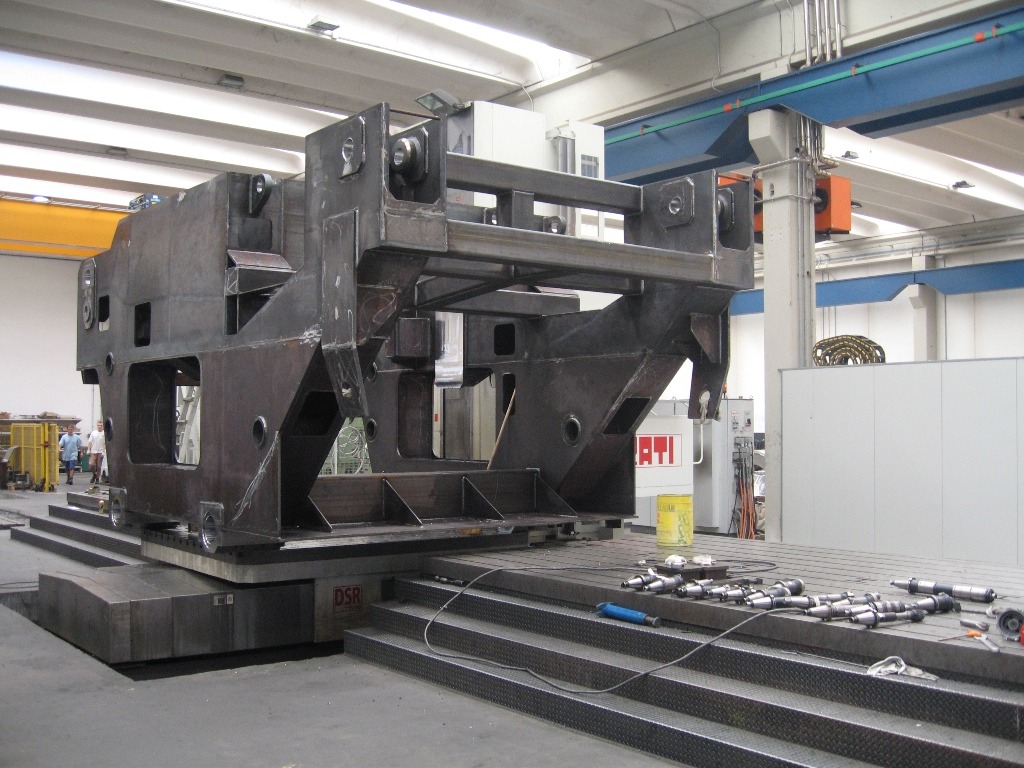
LAZZATI hydrostatic boring and milling machines are commonly used for machining:
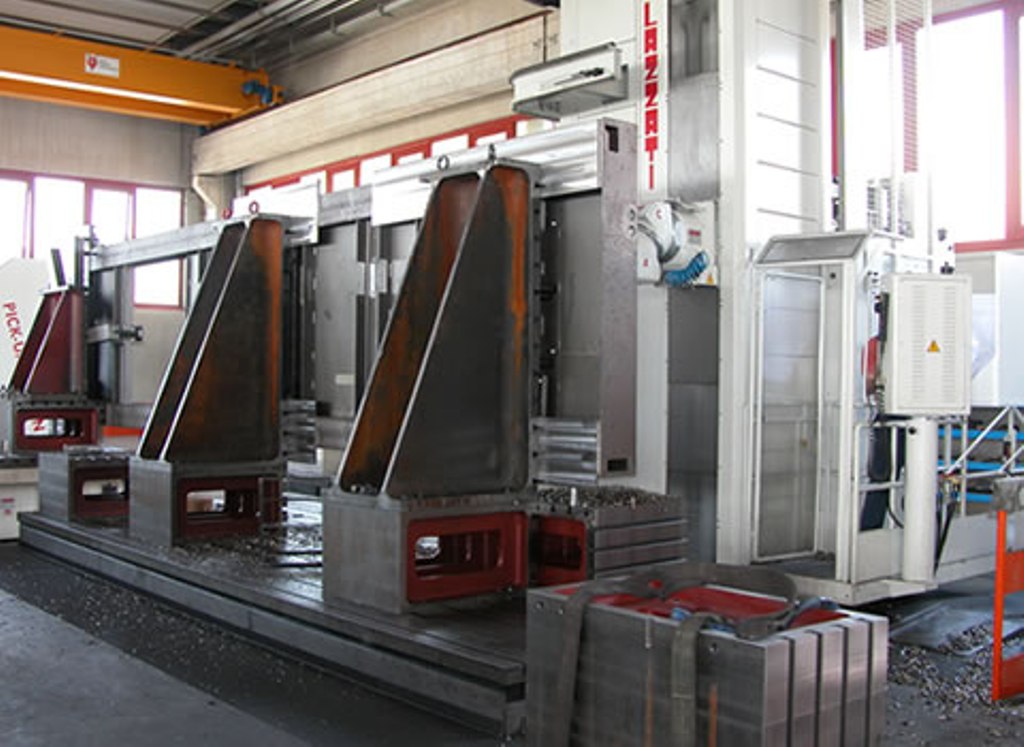
Armored vehicle structures and frames
Carriers and chassis components
Defense vehicle housings
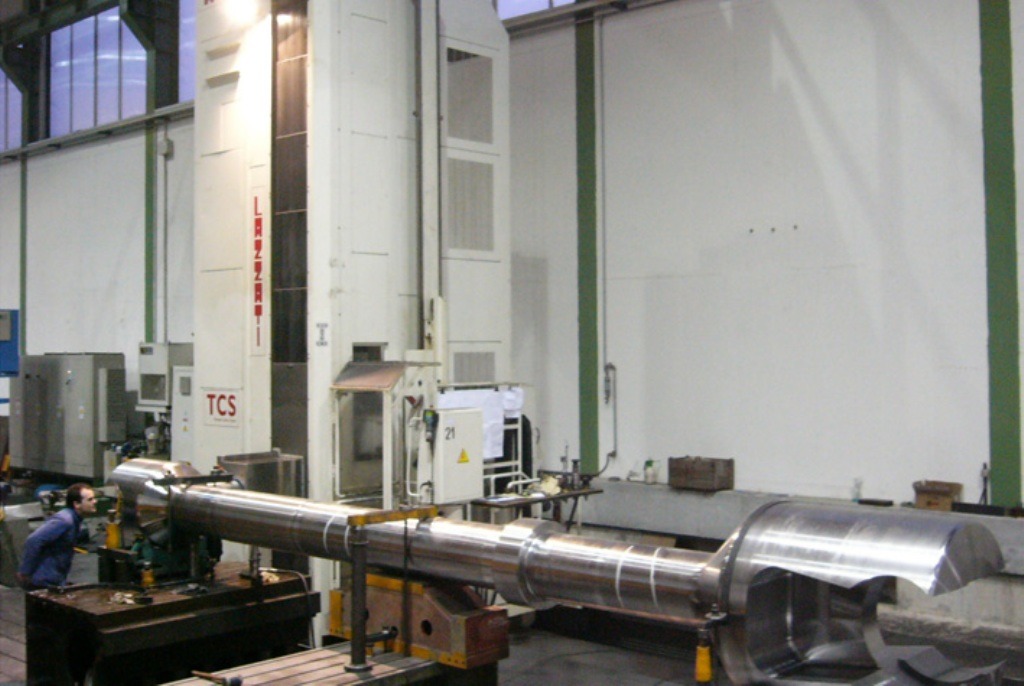
Heavy mechanical assemblies
Structural elements for military equipment
These components often require precise alignment, deep machining and stable performance across long machining cycles.
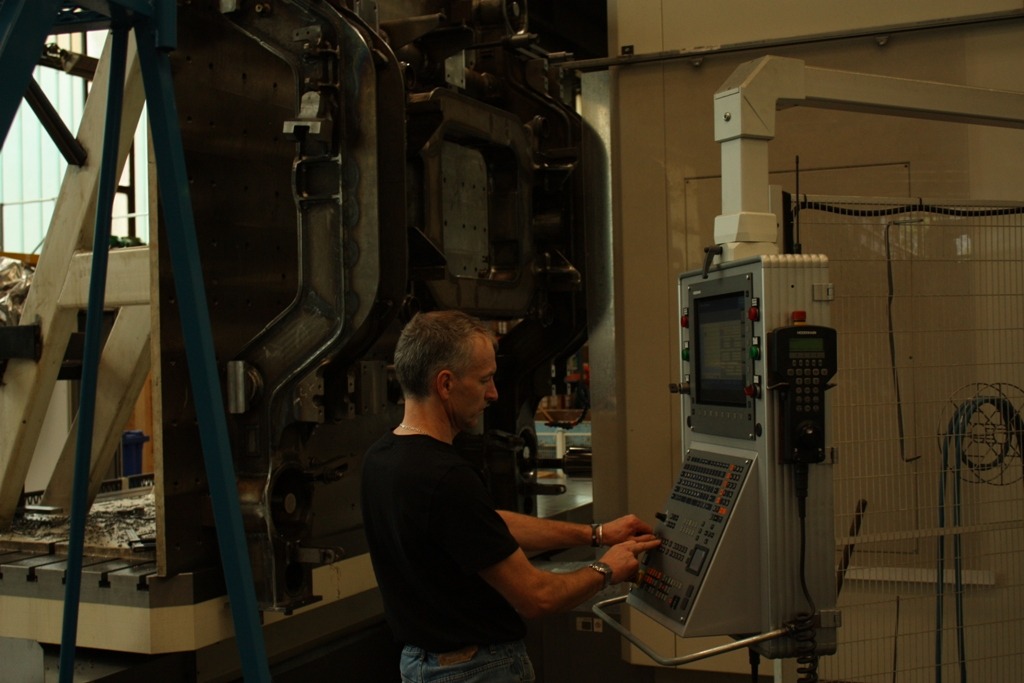
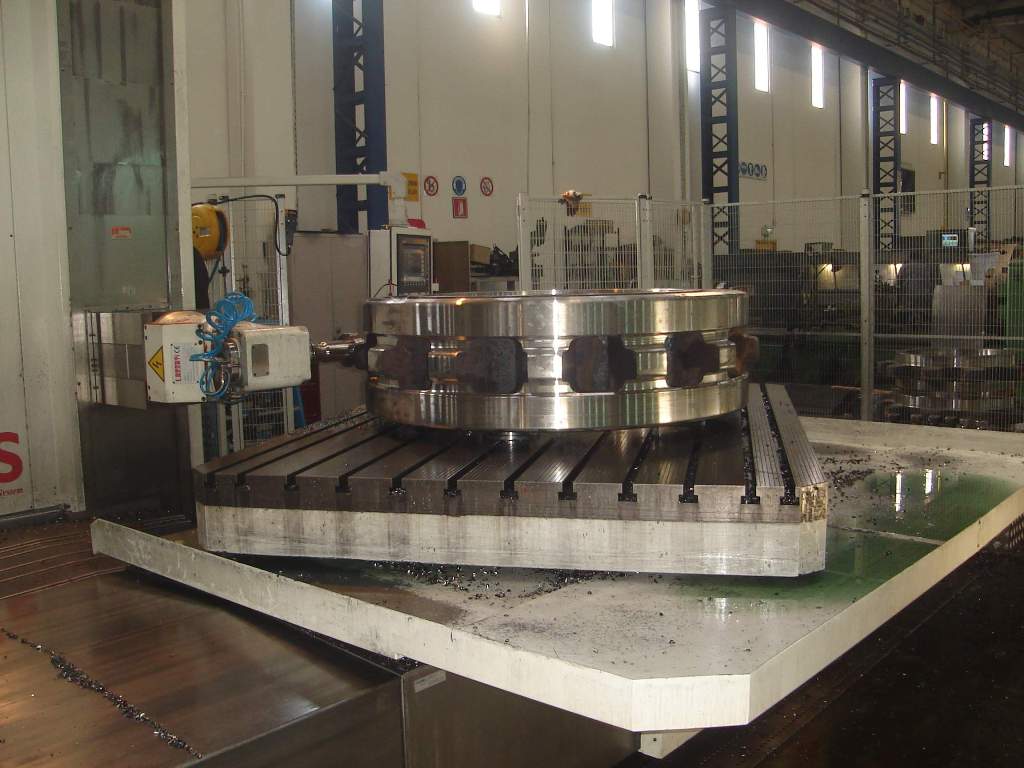
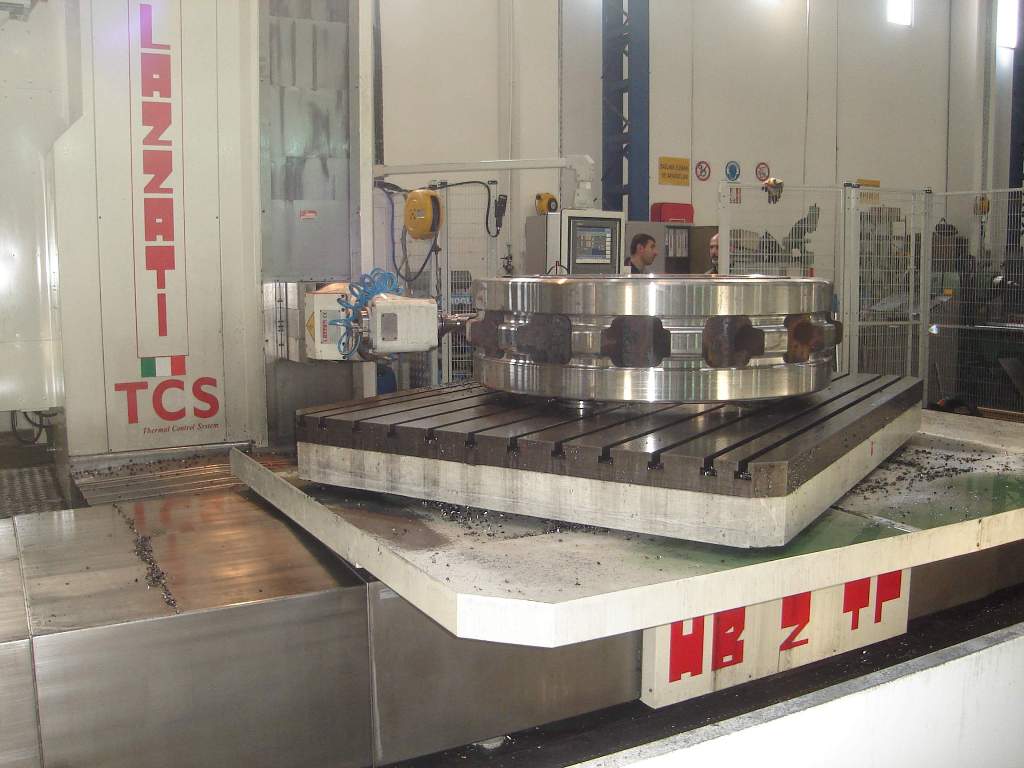
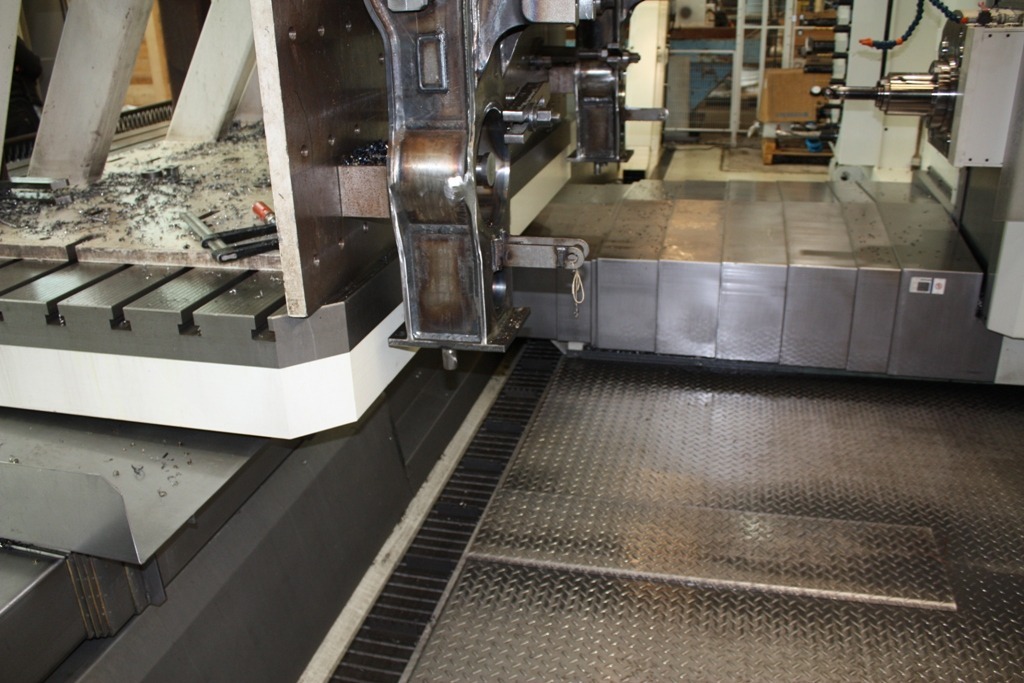
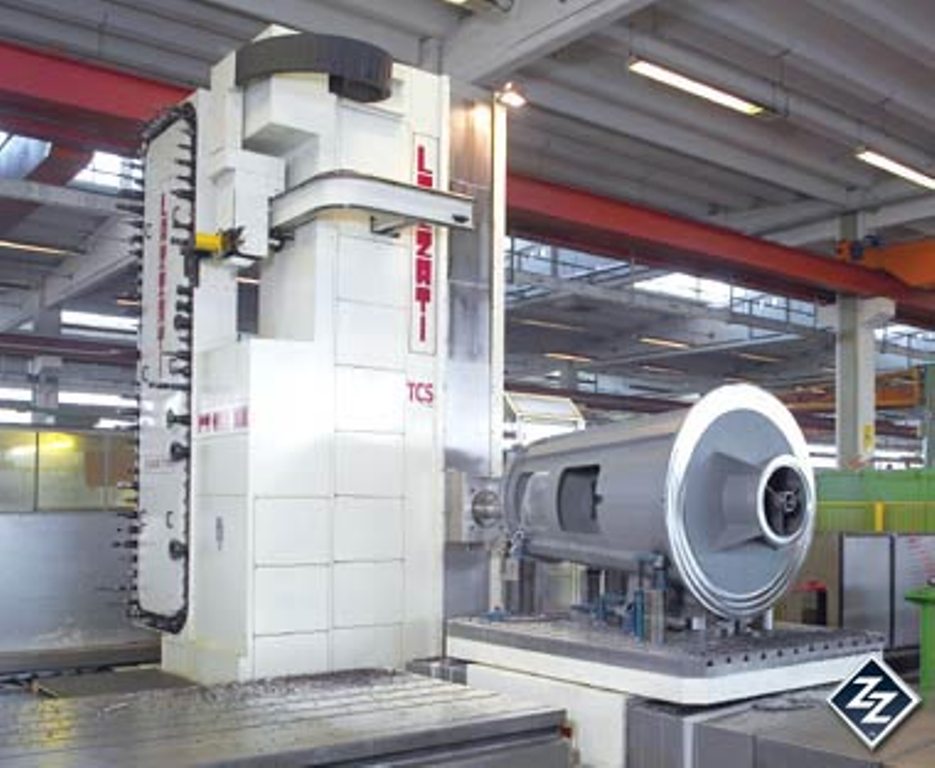
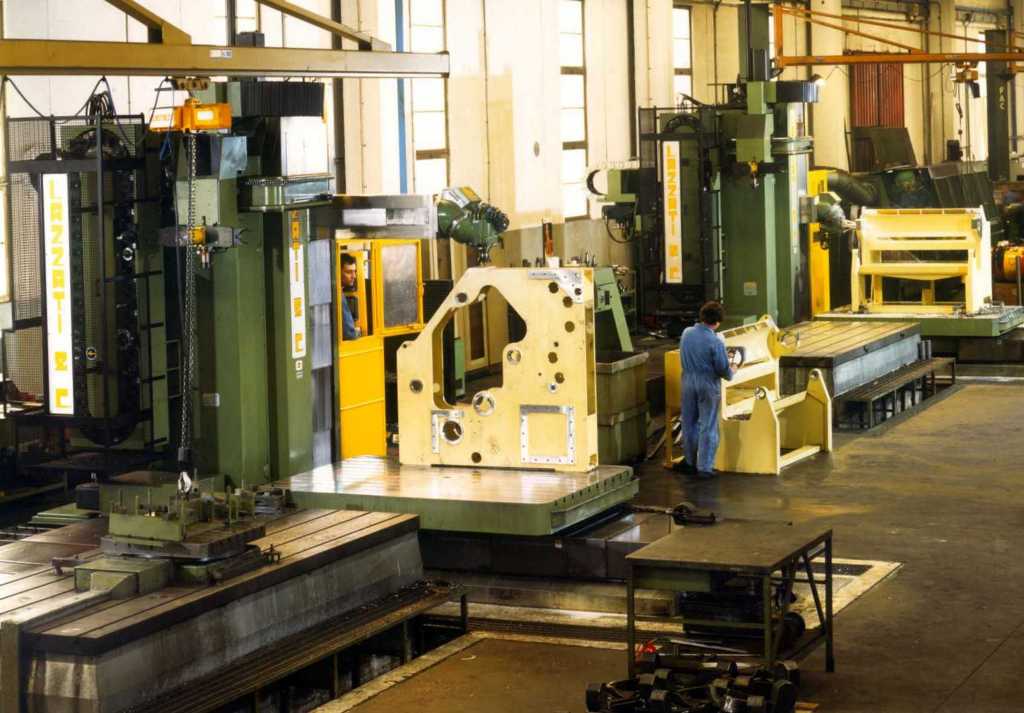


Recommended Machine Configurations
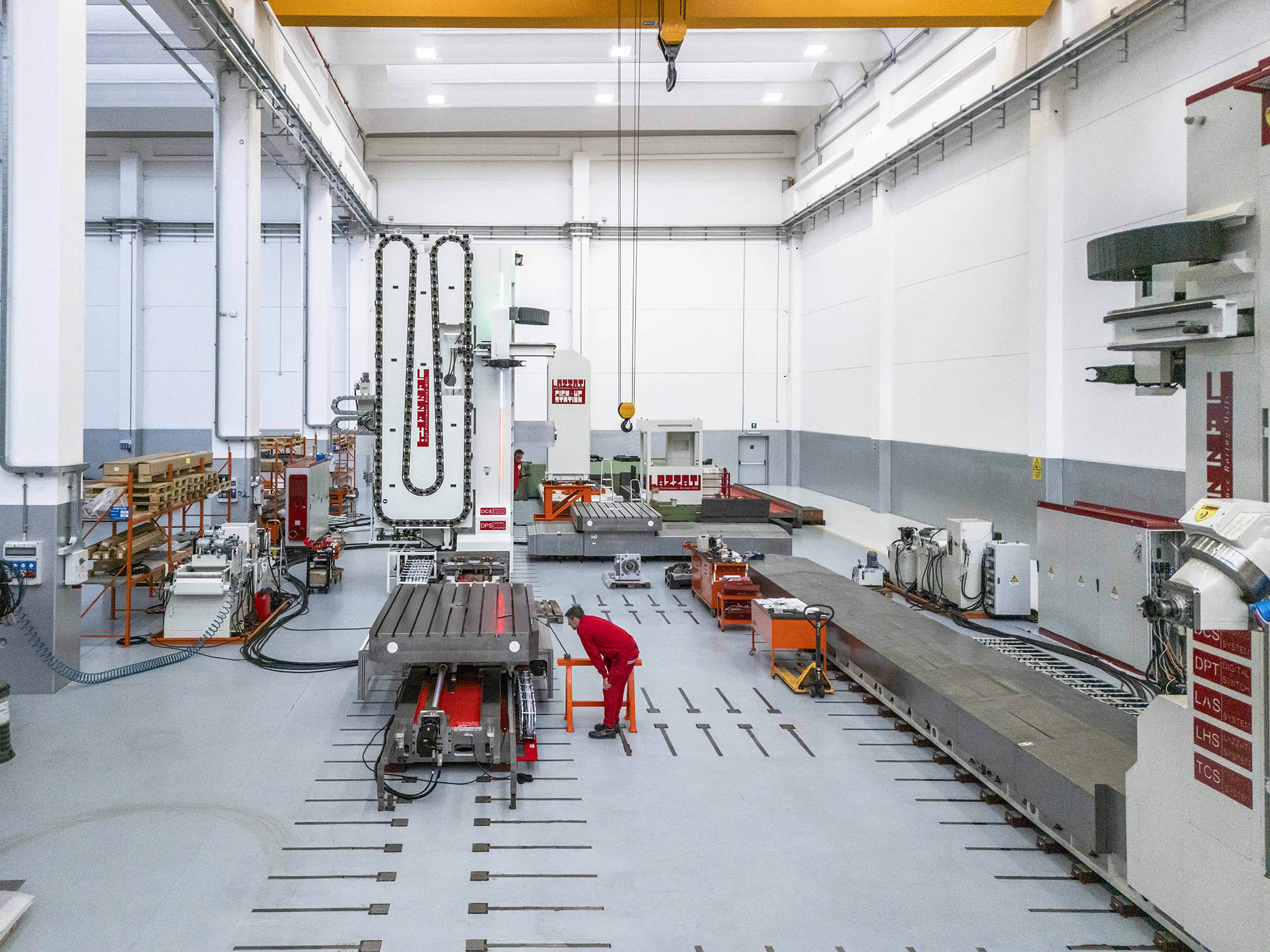
Typical configurations include:
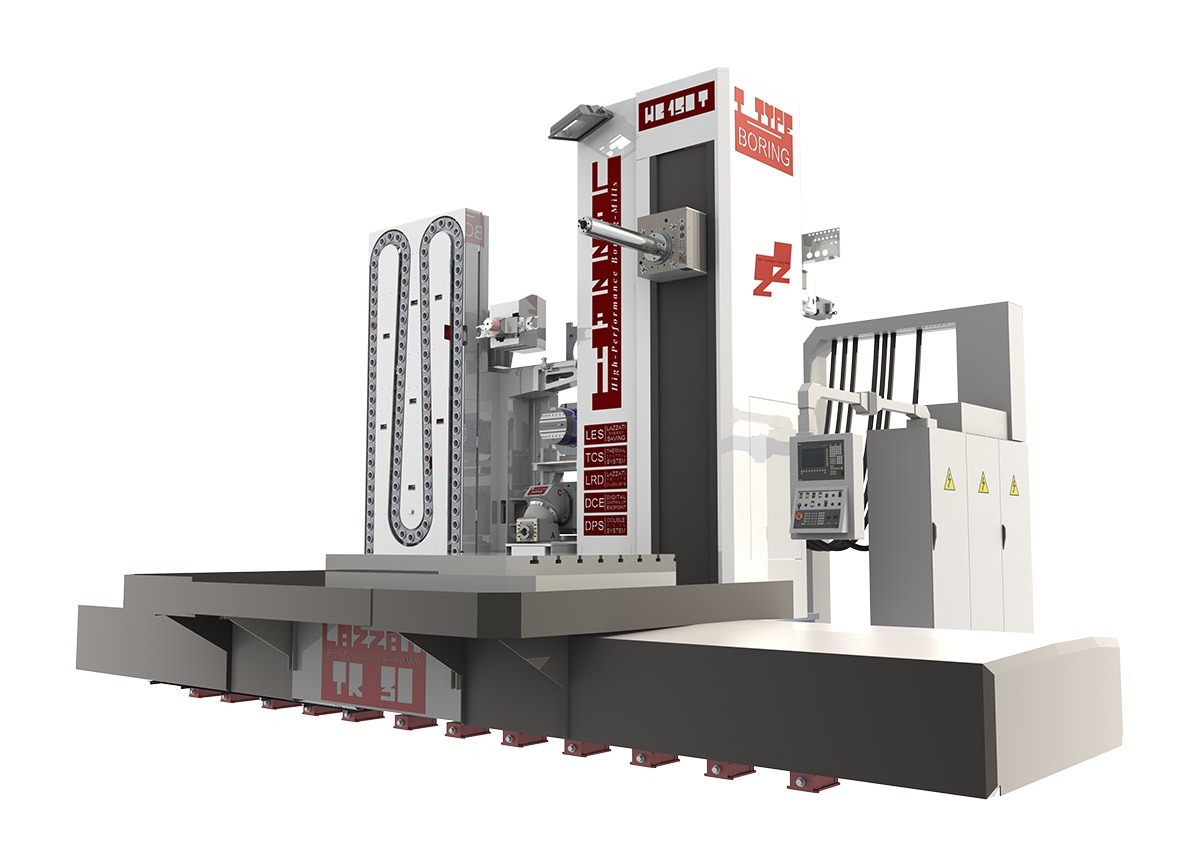
Evo4.0 hydrostatic architecture
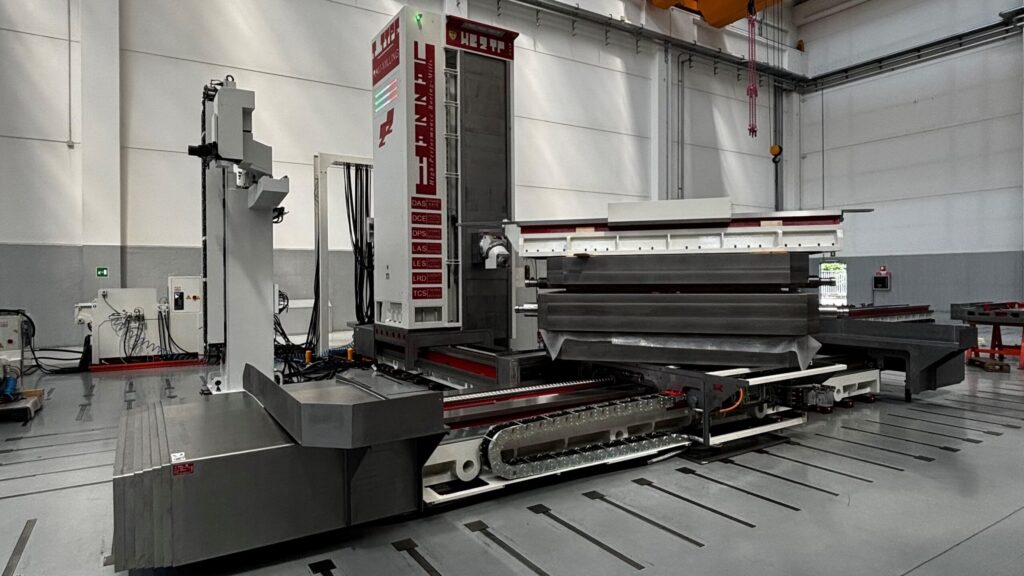
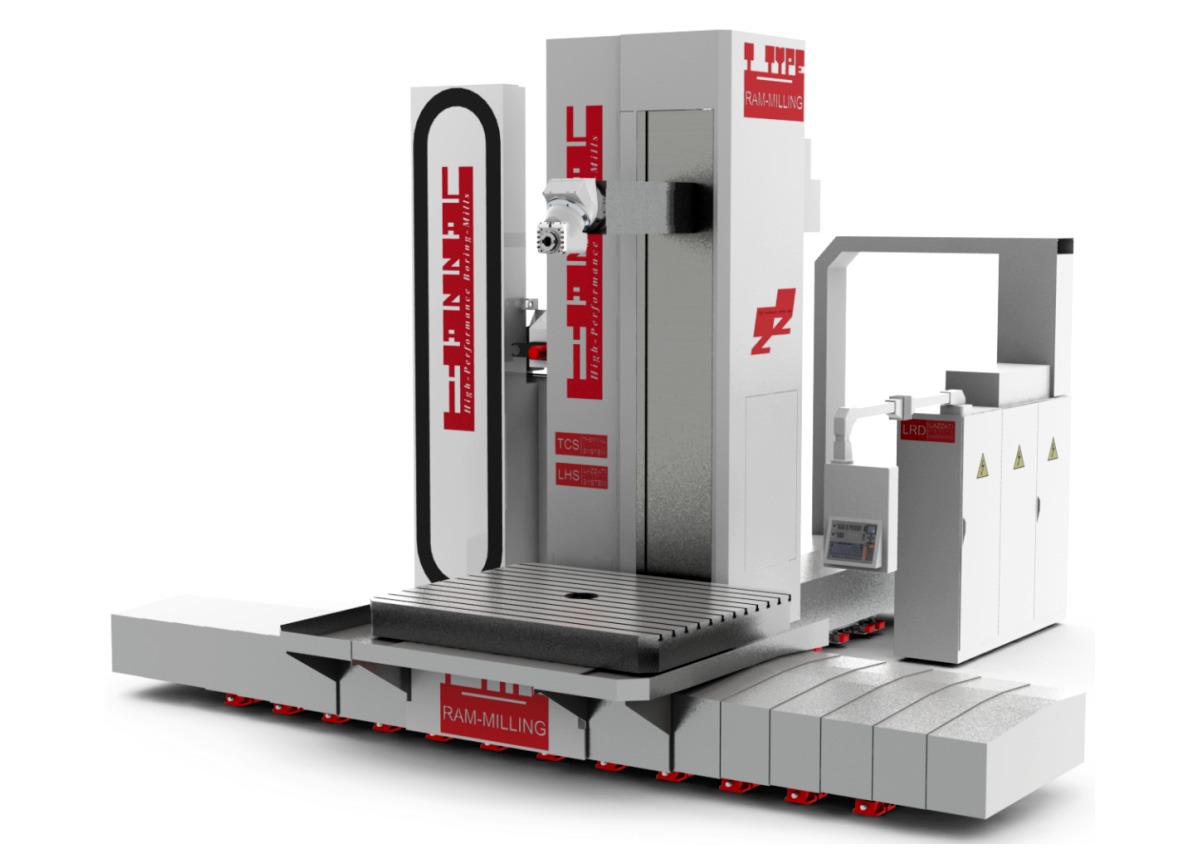
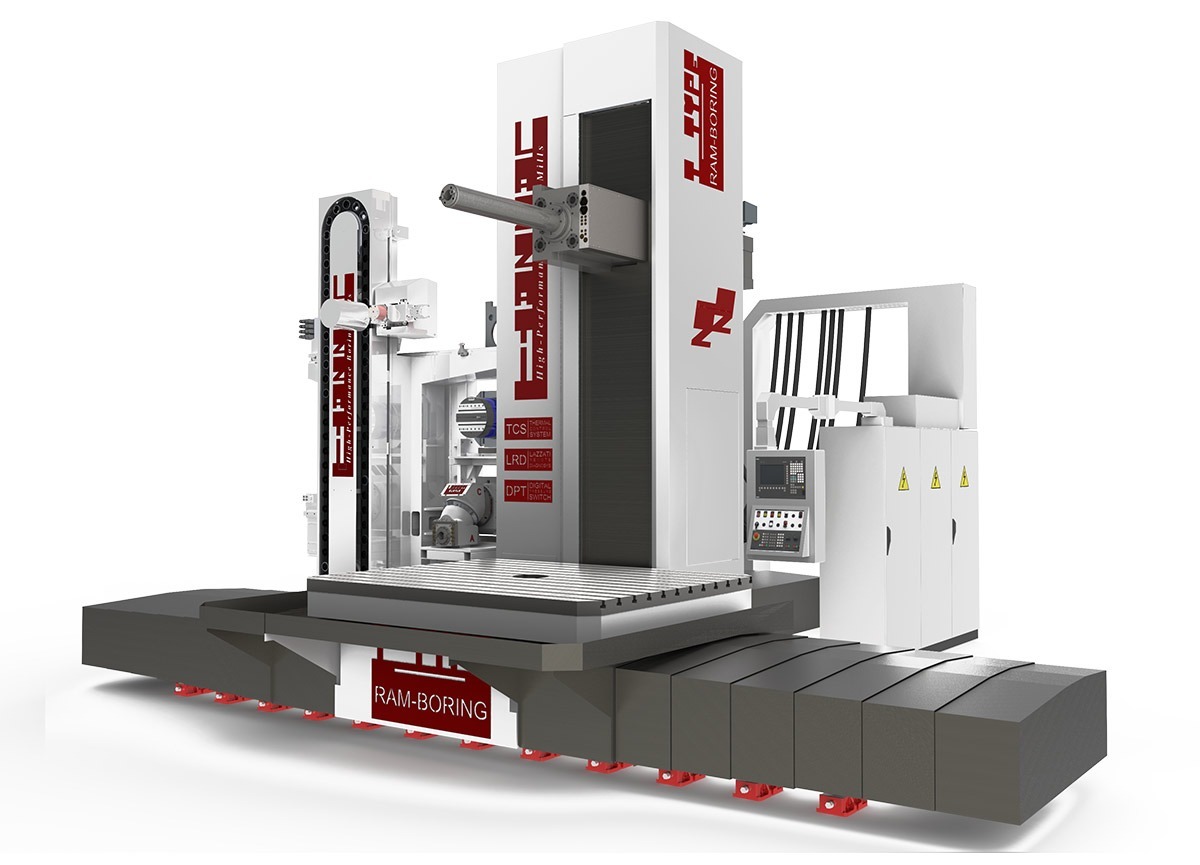
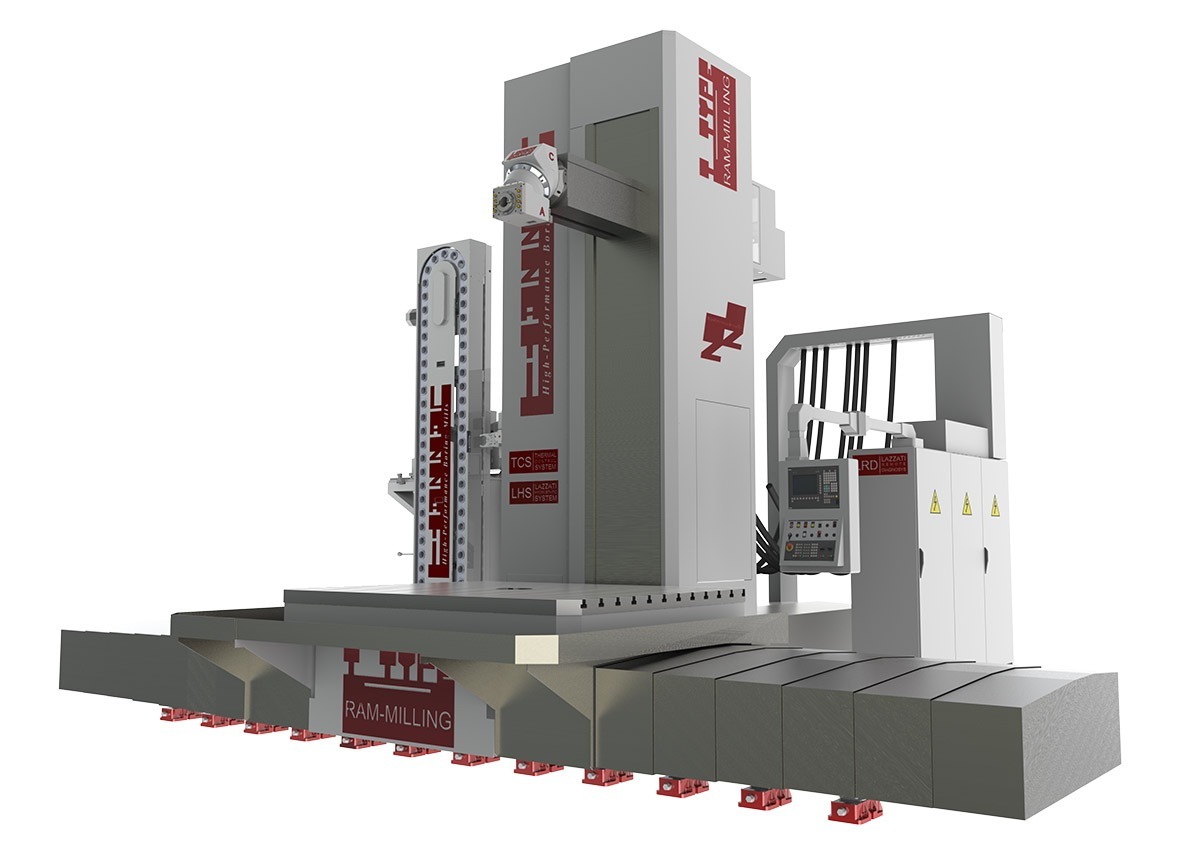
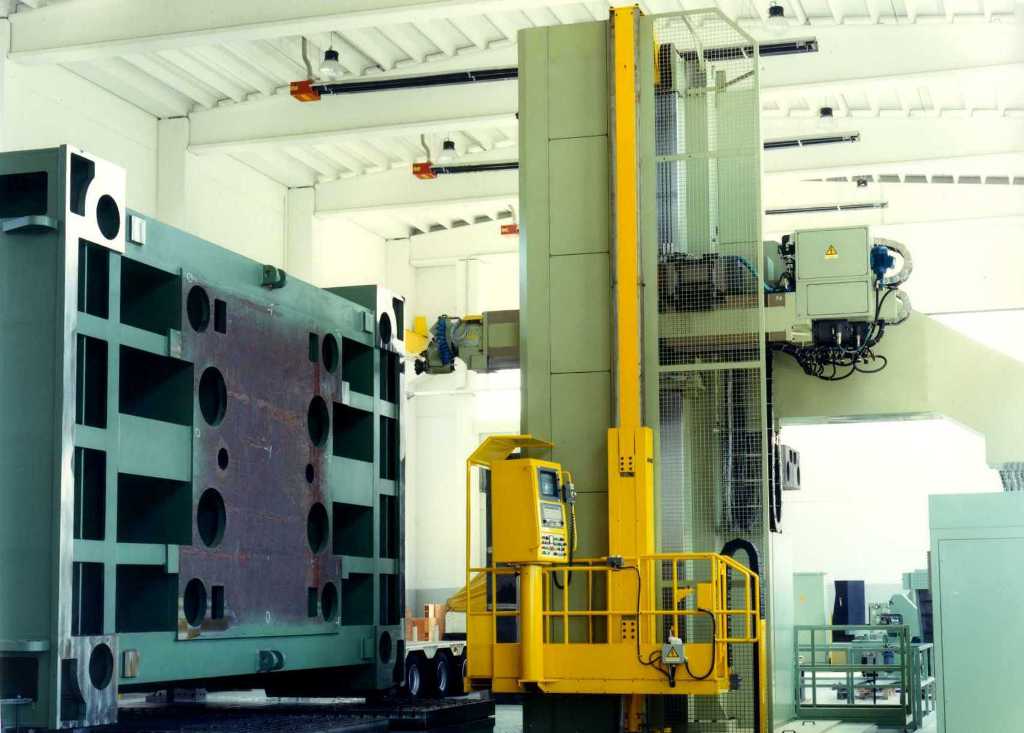
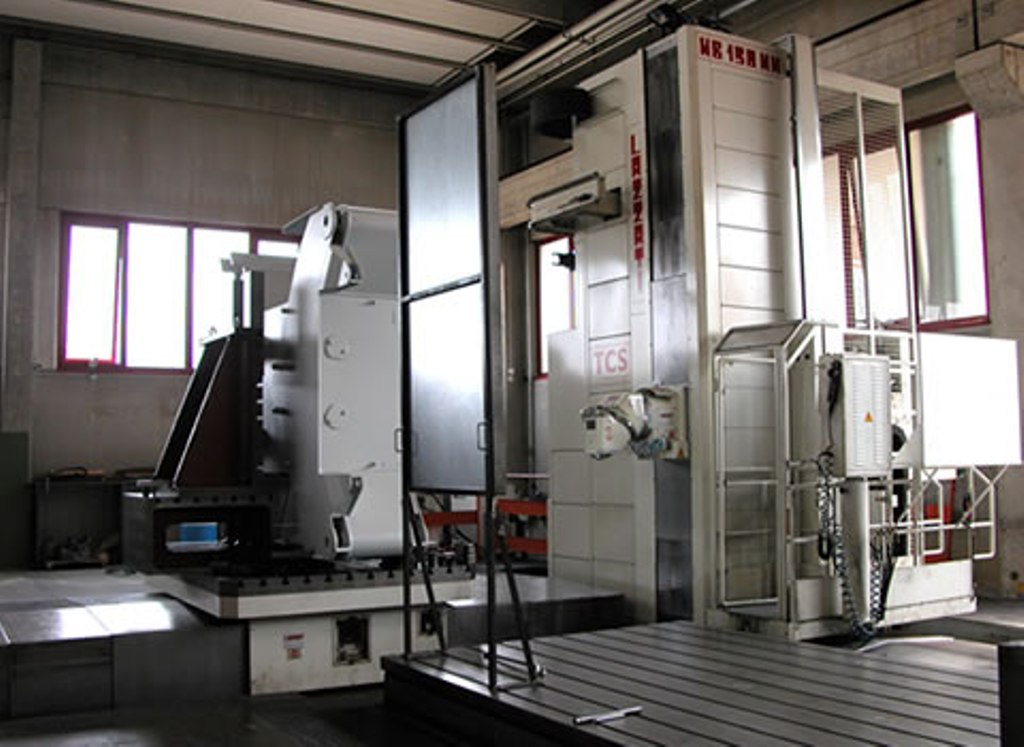
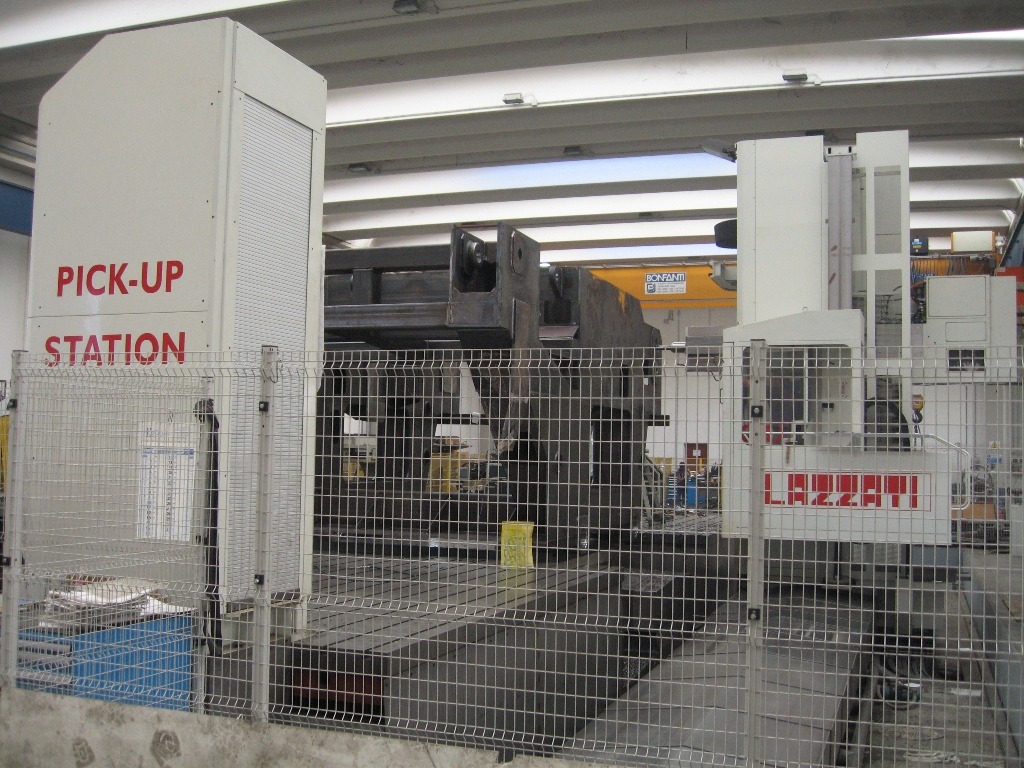
Large floor-type or T-type machine layouts
High structural rigidity of columns and rams
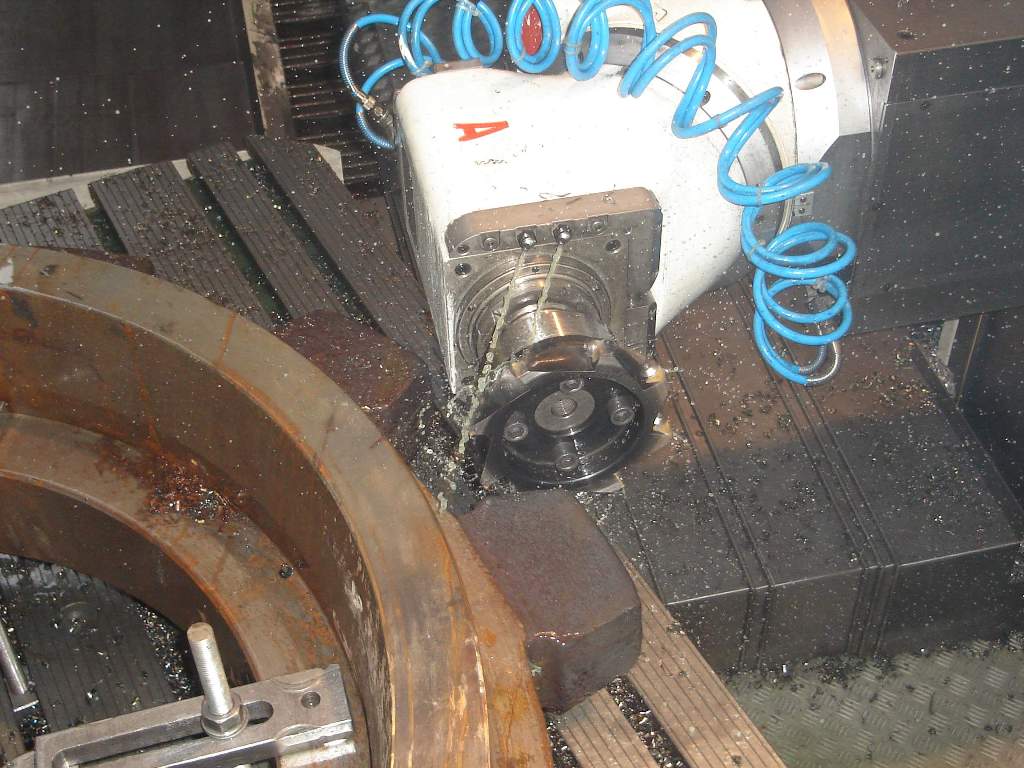
Compatibility with modular heads and heavy-duty accessories
Integration of LAZZATECH systems for stability, control and diagnostics
Each configuration is defined according to component size, weight and specific defense application requirements.
Investment Grade Machinery for Defense Manufacturing
Defense production environments require equipment capable of maintaining accuracy, reliability and performance over long service lives and under demanding operating conditions.
LAZZATI machines are engineered as Investment Grade Machinery, designed to retain geometric stability, rigidity and machining consistency throughout their operational life.
This approach supports defense manufacturers in achieving predictable machining results and long-term production continuity.
Market Perspective
Market research shows that reliability, advanced technology and comprehensive support are the three decisive factors in machine tool purchases. LAZZATI delivers all three for defense manufacturers requiring stable machining performance, accuracy retention and long-term operational reliability.
FAQ
Chiusa
Which LAZZATI machine is best suited for defense component machining?
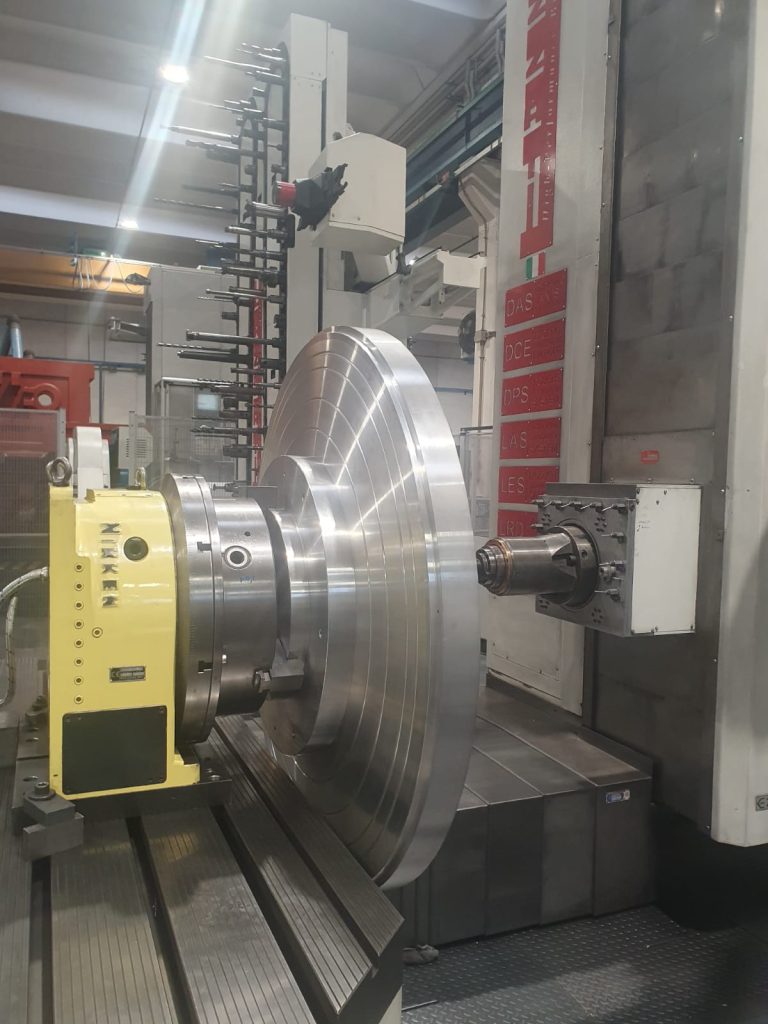
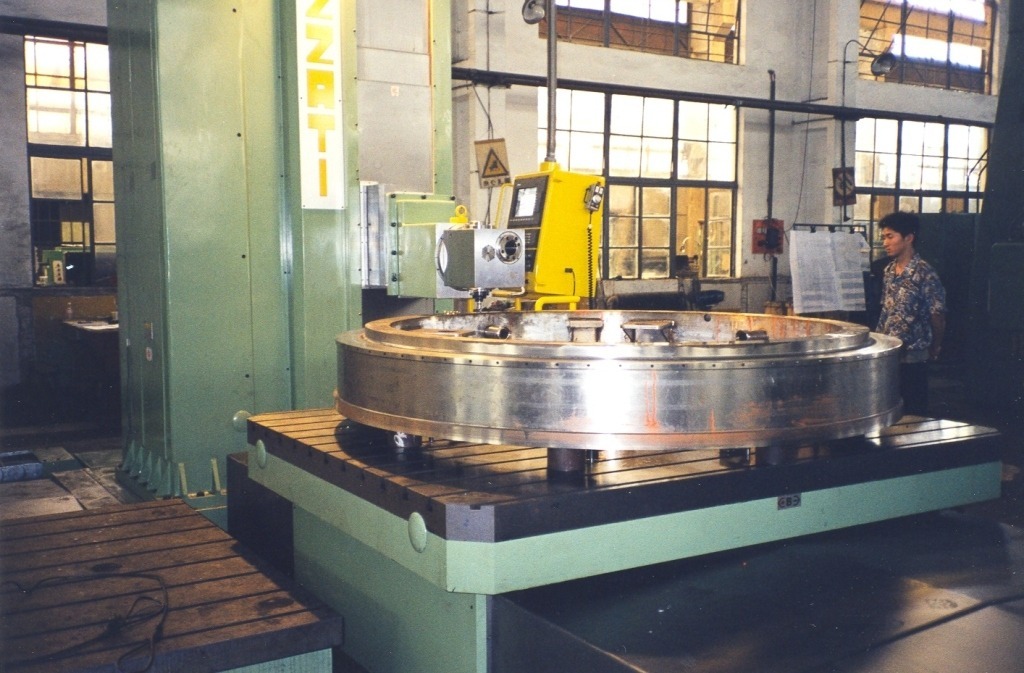
Defense component machining typically requires a dual configuration approach. T-Type Ram Boring and T-Type Ram Milling are suited for structural components, multi-face machining, gearbox housings, track system parts, and medium-to-large workpieces. Floor-Type Ram Boring is recommended for turret rings, large rotating interfaces, and heavy components requiring large-diameter precision. Typical parts include hull structures, turret rings, weapon interfaces, bearing housings, and armored vehicle components. T-Type configurations support components in the range of 15–60 tons depending on model, while Floor-Type extends capability for larger diameters and loads. Both configurations integrate LAZZATI hydrostatic technology as standard.
How does hydrostatic technology support defense industry machining requirements?
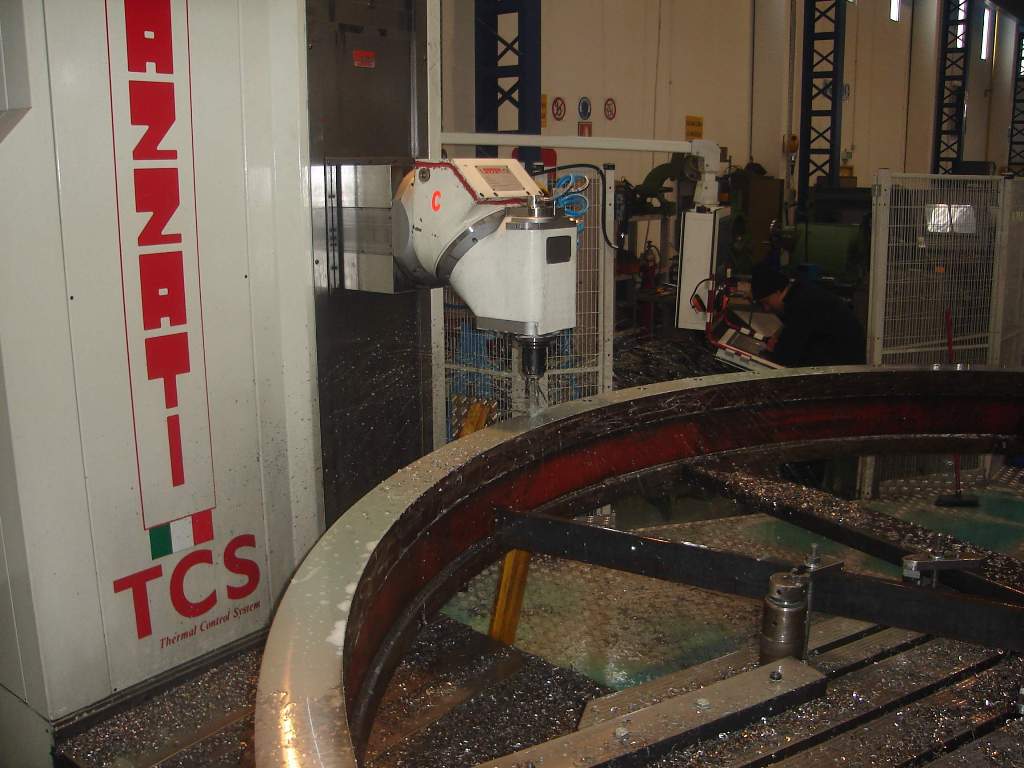
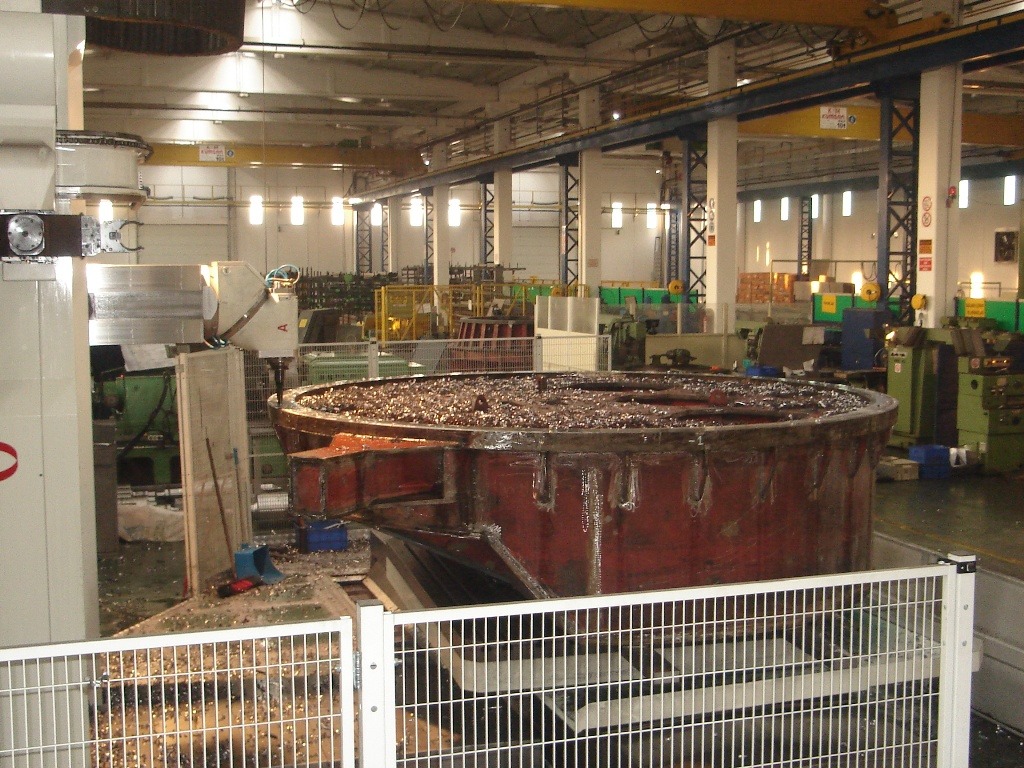
Defense components require structural accuracy, repeatability, and stable machining of high-strength materials. LAZZATI hydrostatic technology supports zero-wear motion, maintaining repeatability on critical rotating interfaces such as turret rings. The machine structure provides rigidity when machining armor steel, high-strength structural steel, and cast armor components. DCS supports accuracy on multi-face structural parts by compensating variations during machining. On Floor-Type configurations, precision can be maintained on turret ring diameters up to Ø3,000 mm+. Typical tolerances for critical interfaces are in the ±0.01 mm range.
How does multi-face machining support defense structural components?
T-Type Ram Boring and T-Type Ram Milling machines support multi-face machining of structural defense components with fewer repositioning operations. This is relevant for hull structures, gearbox housings, engine supports, track system components, and armored vehicle frames. Reducing setup changes helps preserve geometric relationships between critical surfaces and interfaces. For components in the 15–60 tons depending on model range, T-Type configurations provide the flexibility required for complex structural parts. The result is controlled machining of multi-surface geometries within a single production strategy.
Can LAZZATI machines machine armor steel and high-strength materials?
What defense components are typically machined on LAZZATI machines?
LAZZATI machines are used for turret rings, hull structural components, track system parts, armored vehicle gearbox housings, gun mounts, weapon interfaces, engine supports, bearing housings, and rotating interfaces. T-Type Ram Boring and Ram Milling configurations are generally preferred for multi-face structural components, while Floor-Type Ram Boring is selected for large-diameter parts such as turret rings and heavy rotating interfaces. Typical component weights range from 15 to 60 tons for T-Type configurations, depending on model and application requirements.
What is the capability for large turret ring machining?
LAZZATI hydrostatic boring and milling machines are widely used in defense applications where rigidity, accuracy retention and long-term stability are critical. Defense manufacturers machine armored structures, vehicle frames, chassis components and heavy mechanical assemblies that require consistent geometry over extended machining cycles. Hydrostatic guideway technology provides constant axis support, eliminating mechanical wear and ensuring stable positioning behaviour under variable loads.
Combined with rigid machine structures and large working envelopes, LAZZATI Evo4.0 machines enable predictable and repeatable machining of large defense components. Typical configurations include floor-type and T-type machines designed to support heavy masses and demanding cutting conditions. Integrated LAZZATECH systems enhance stability, control and diagnostics throughout the machining process.
Designed as Investment Grade Machinery, LAZZATI solutions retain accuracy and performance across demanding defense production environments. The Hydrostatic Boring Mill. We BOOST Your Profits.