

+39 0331 465.200

lazzati@lazzati.eu

Via Rugareto, 7
20027 Rescaldina (MI) – Italy

History

A Century of Engineering, Continuity and Evolution

From the Rovai family heritage of 1921 to the 1939 foundation of LAZZATI, our history reflects engineering competence, hydrostatic innovation and four generations dedicated to precision machining.

Philosophy

Continuity & Evolution

To deliver hydrostatic high-performance boring and milling machines that maintain accuracy, rigidity and reliability over decades — enabling our customers to focus on what they do best.

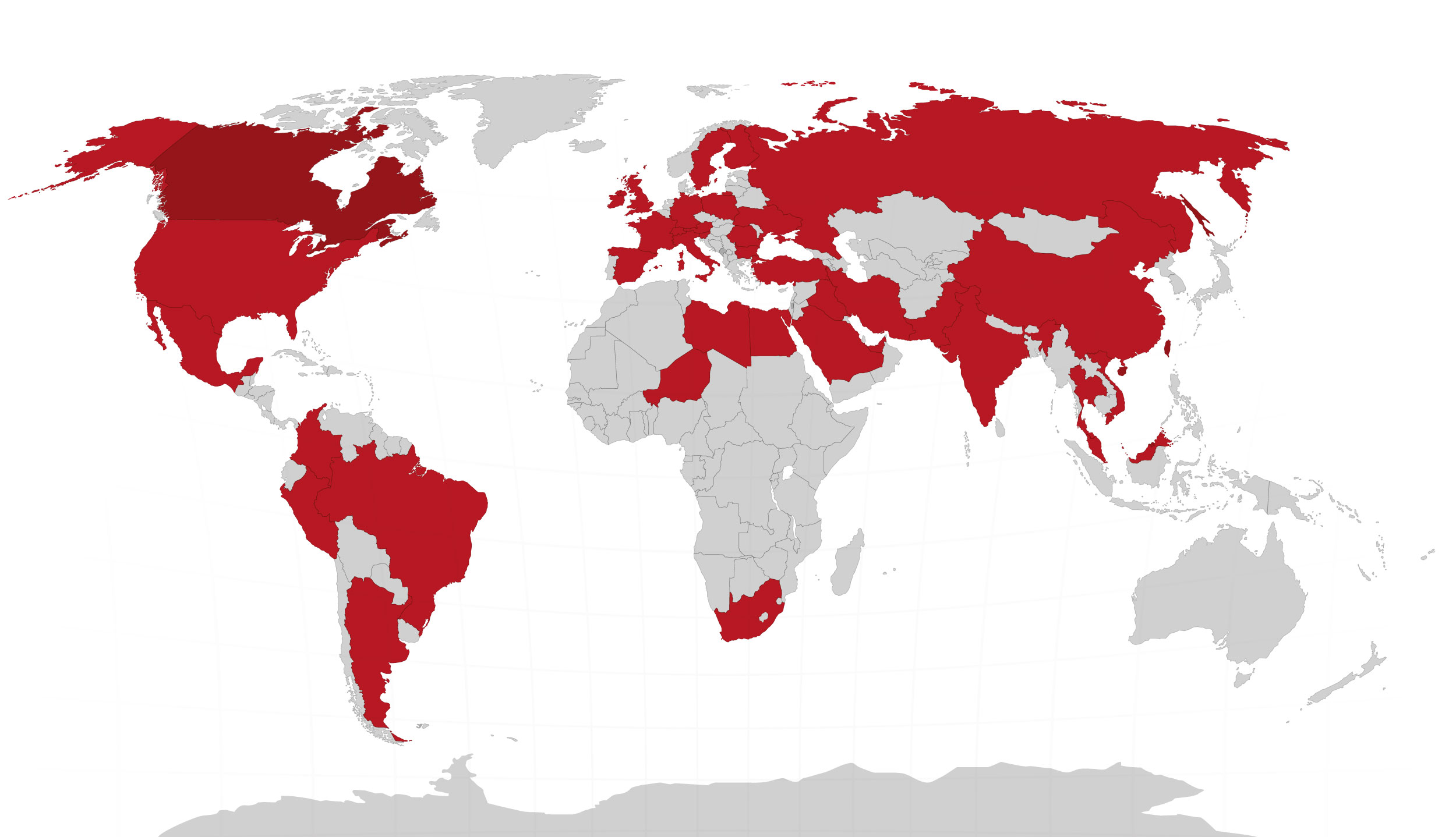
Contacts in the world

lazzati in the world
Istitutional
Technical
Case study
The posts you requested could not be found. Try changing your module settings or create some new posts.

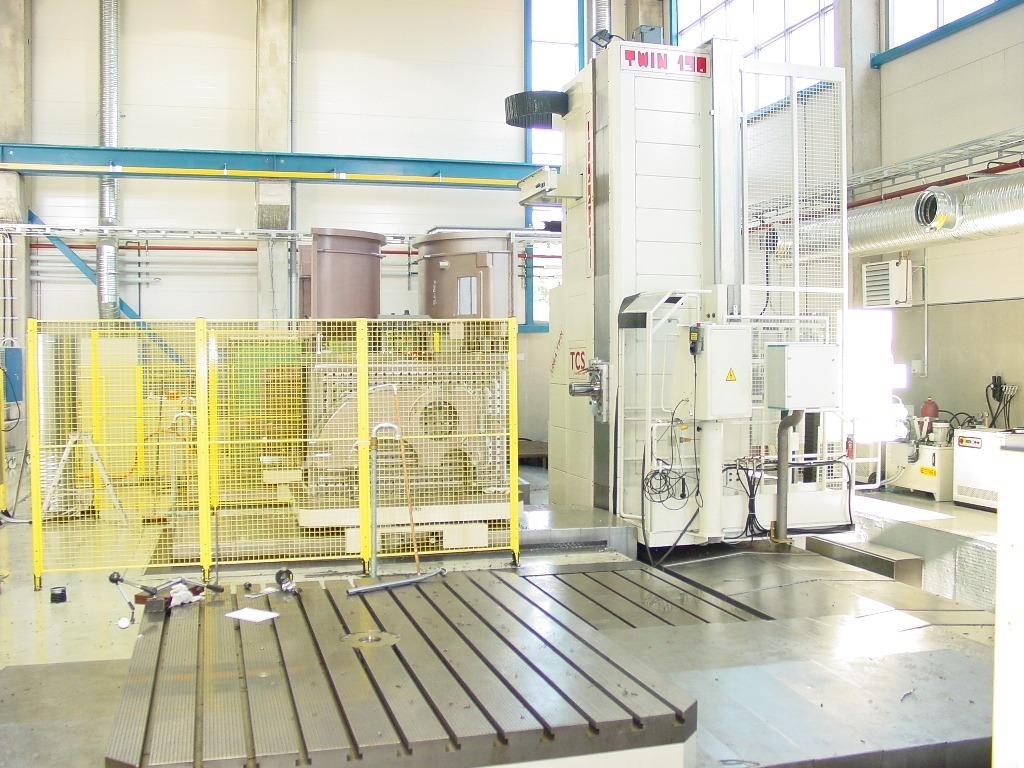
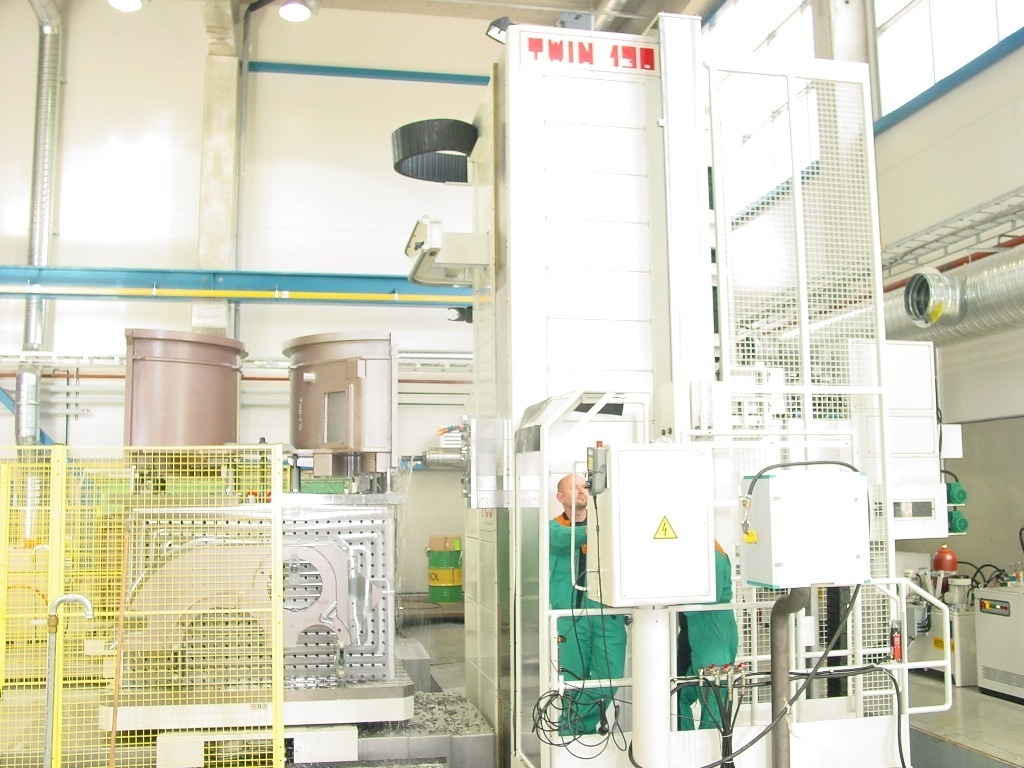
Linea Floor-Type

Hydrostatic CNC Floor-Type Boring and Milling Machines. Learn more ›

Linea T-Type Evo4.0

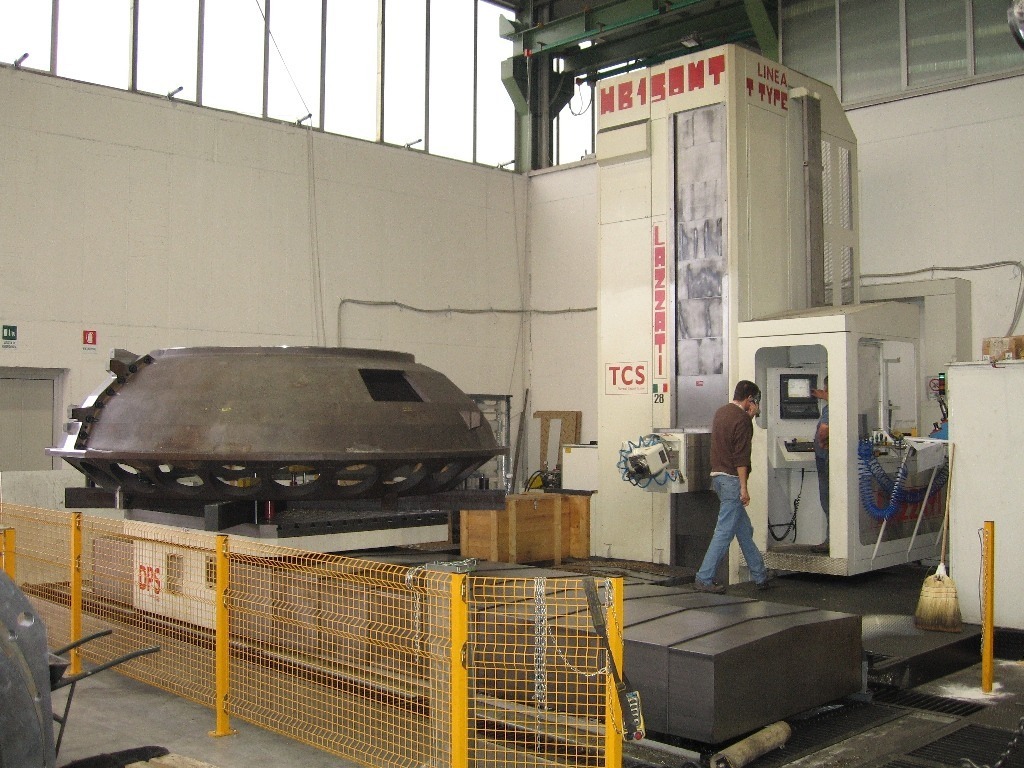
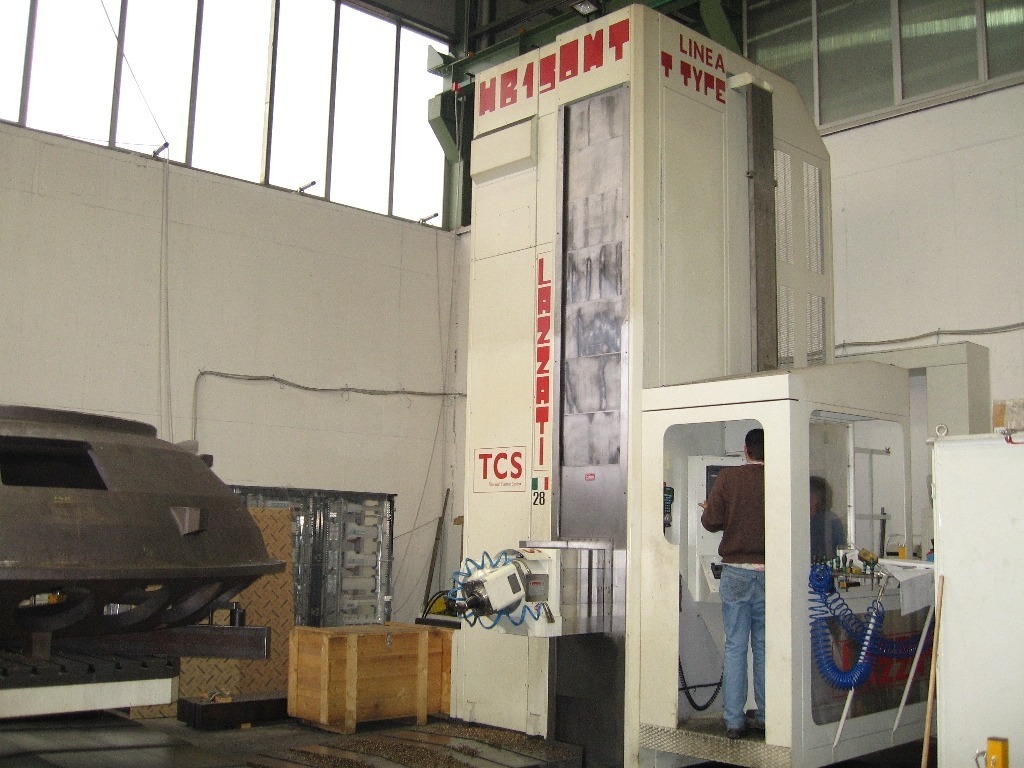
Hydrostatic Boring Milling Machines “T” Moving Column. Learn more ›

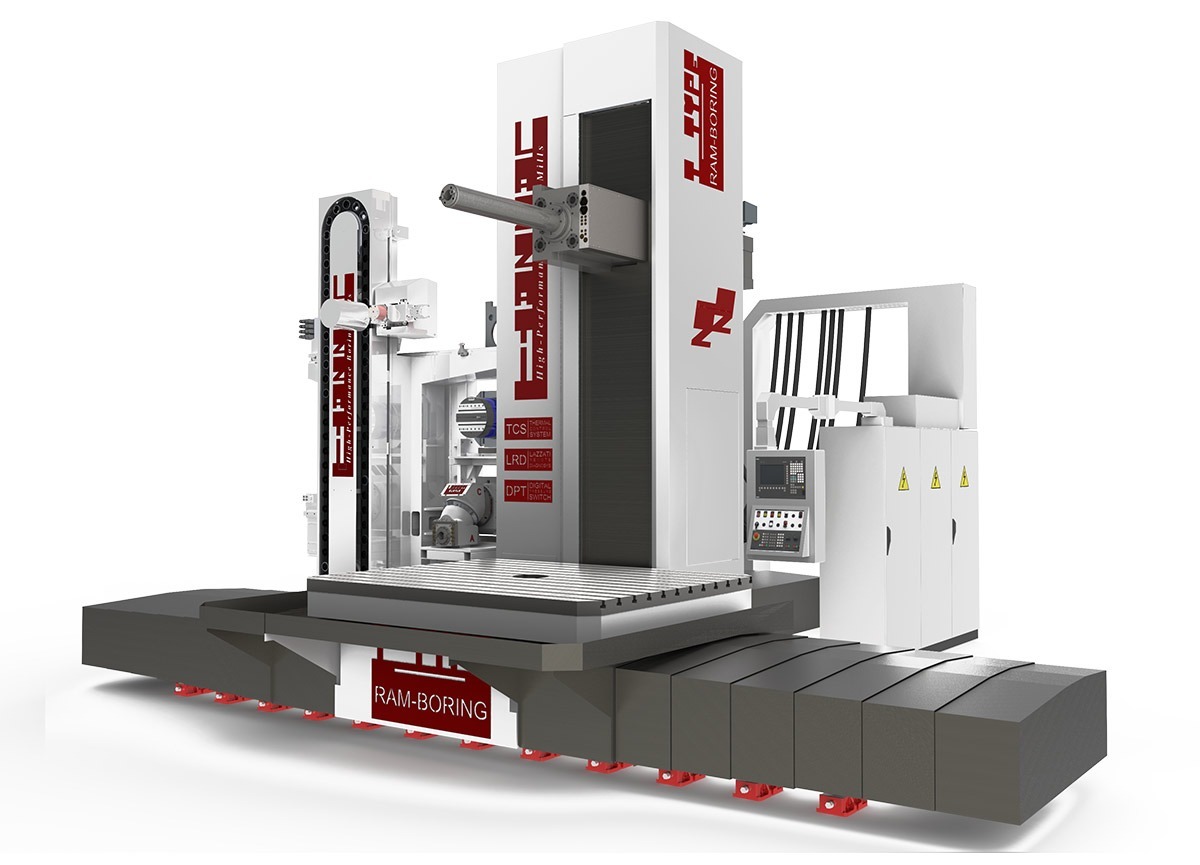
Floor-Type Ram Boring Evo4.0

Ram Boring Evo4.0

Designed for deep boring, maximum rigidity, and long-term accuracy on the largest industrial components.

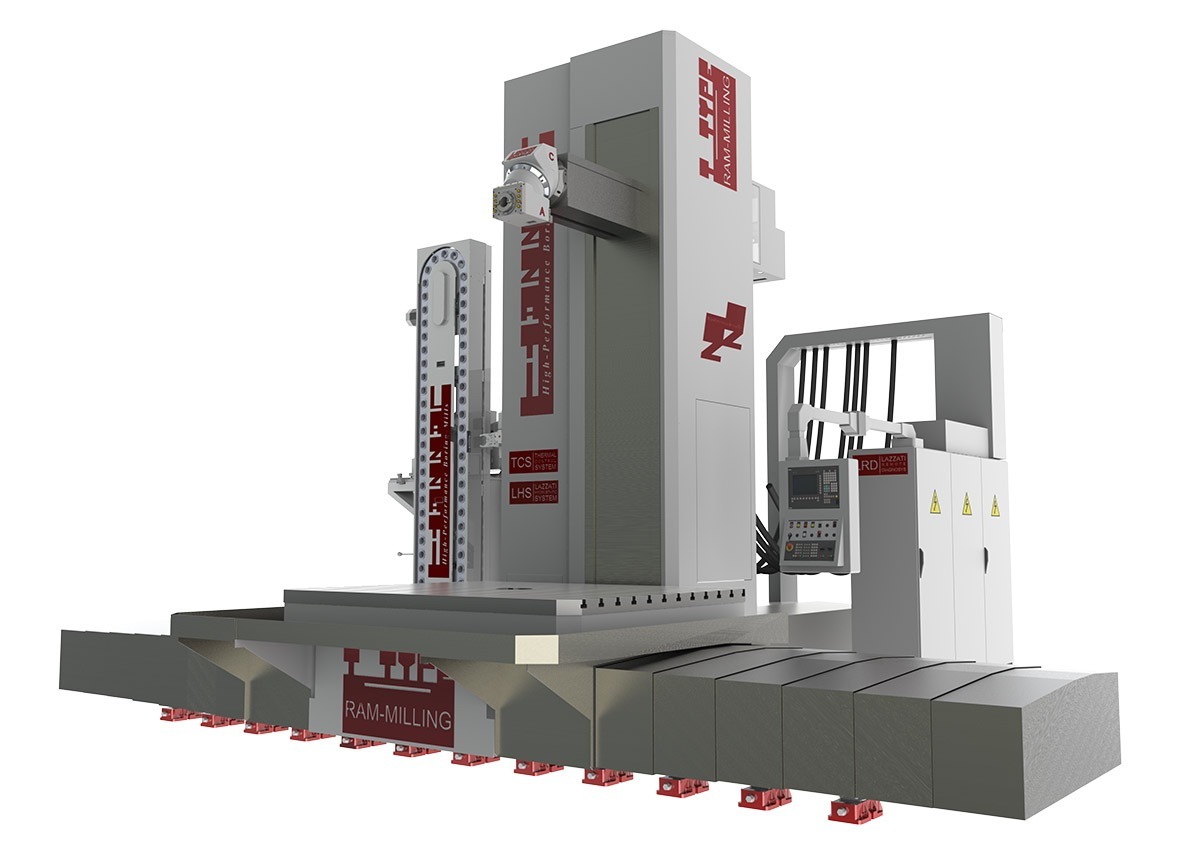
Floor-Type Ram Milling Evo4.0

Ram Milling Evo4.0

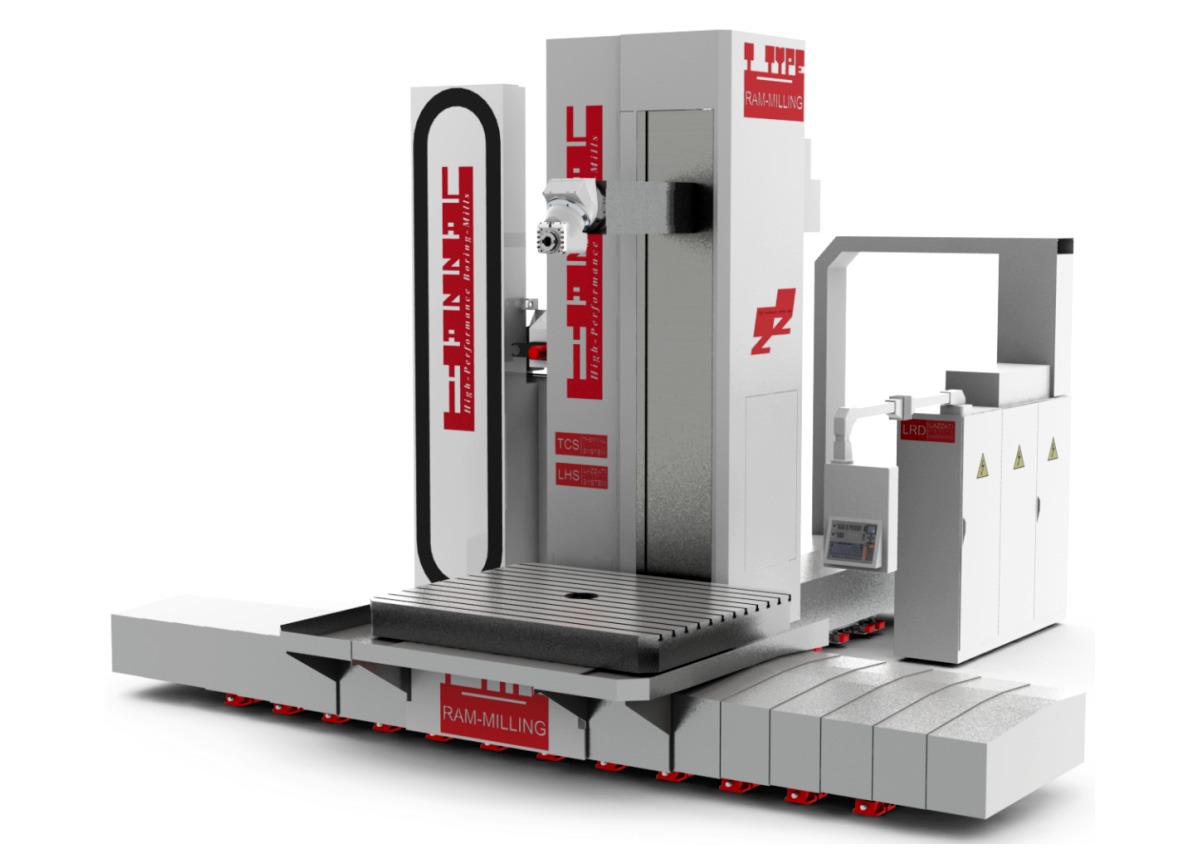
Built for large-scale precision machining. Multi-face milling, hydrostatic rigidity, and long-term accuracy retention

T-Type Boring Evo4.0

Boring Evo4.0

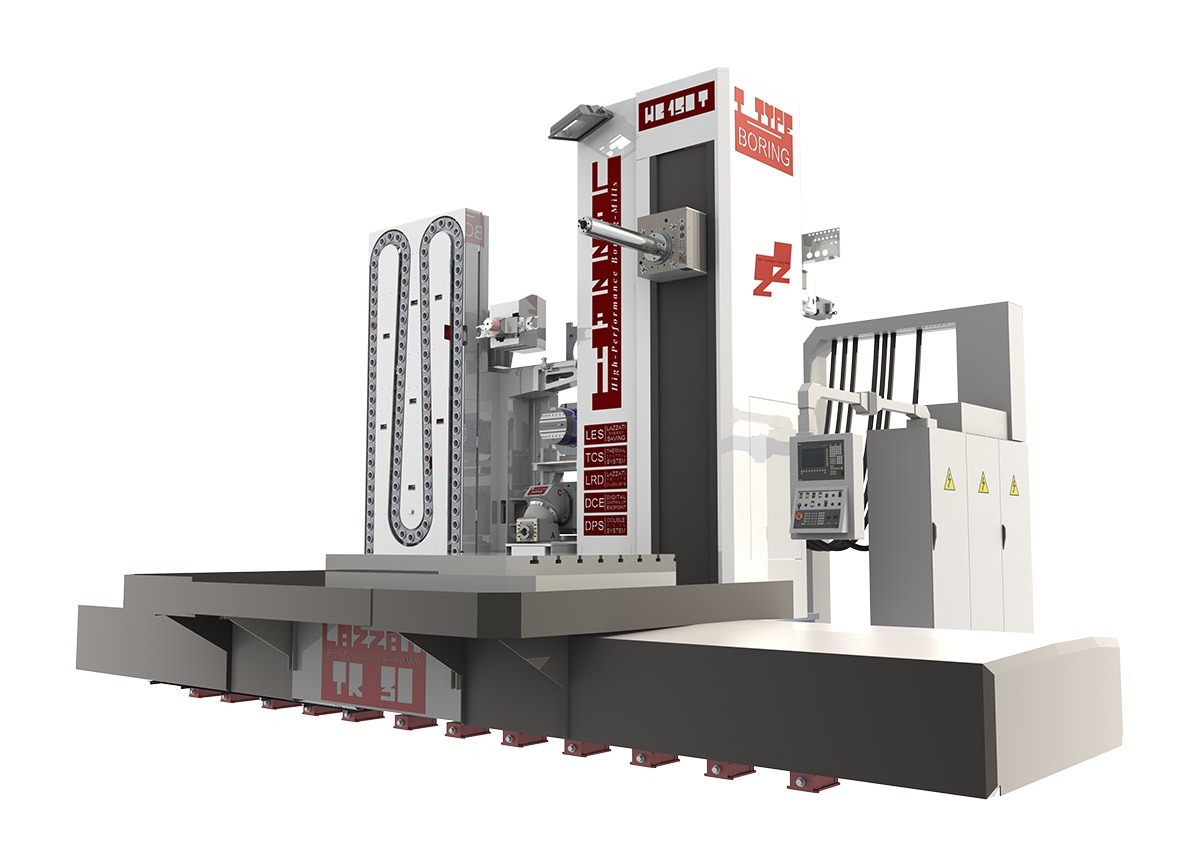
Engineered for deep axial boring, multi-face machining, and zero-wear longevity on medium-to-large components.

T-Type Milling Evo4.0

Milling Evo4.0

Hydrostatic milling with fixed ram architecture, universal head and rotary table capability for high-performance on large components

T-Type Ram Boring Evo4.0

Ram Boring Evo4.0

High-power hydrostatic boring for complex components requiring maximum rigidity, extended reach, and lifetime accuracy.

T-Type Ram Milling Evo4.0

Ram Milling Evo4.0

Hydrostatic Planer Type architecture with moving ram, universal head and rotary table, engineered for rigidity, reach and lifetime accuracy.

Accessories

Accessories

Explore how our accessories can improve your operations and increase your productivity.

LAZZATI BlueTech4.0

LAZZATI BlueTech4.0

Hydrostatic Regeneration. Digital Upgrade. Extended Lifetime Accuracy.

Short Delivery

Short Delivery

Select Evo4.0 models available ready-to-ship. Full LAZZATECH integration included.

Aerospace

Precision machining of structural components, fixtures, large tooling and landing-gear elements requiring accuracy retention during long strokes.

Energy

High structural rigidity and thermal stability for turbine housings, rotors, casings, wind energy components, nuclear applications and power generation systems.

Oil & Gas

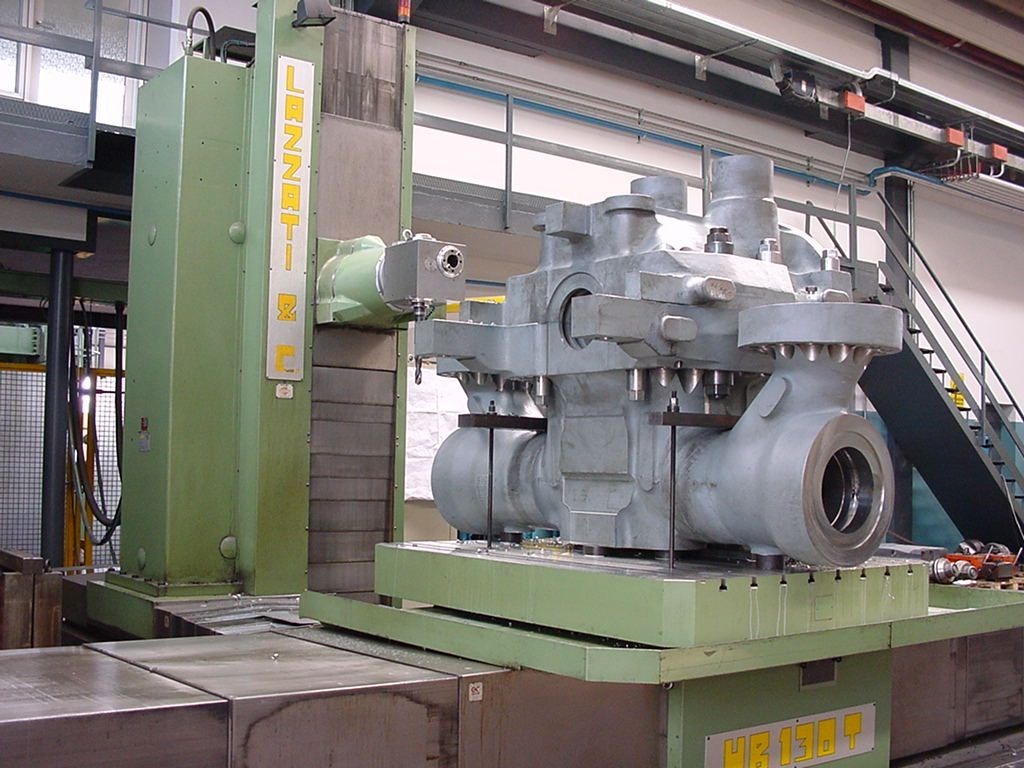
Deep boring, high-load machining and long-component processing for valves, manifolds, BOP, casings and forged pressure-equipment elements.

Heavy Industry

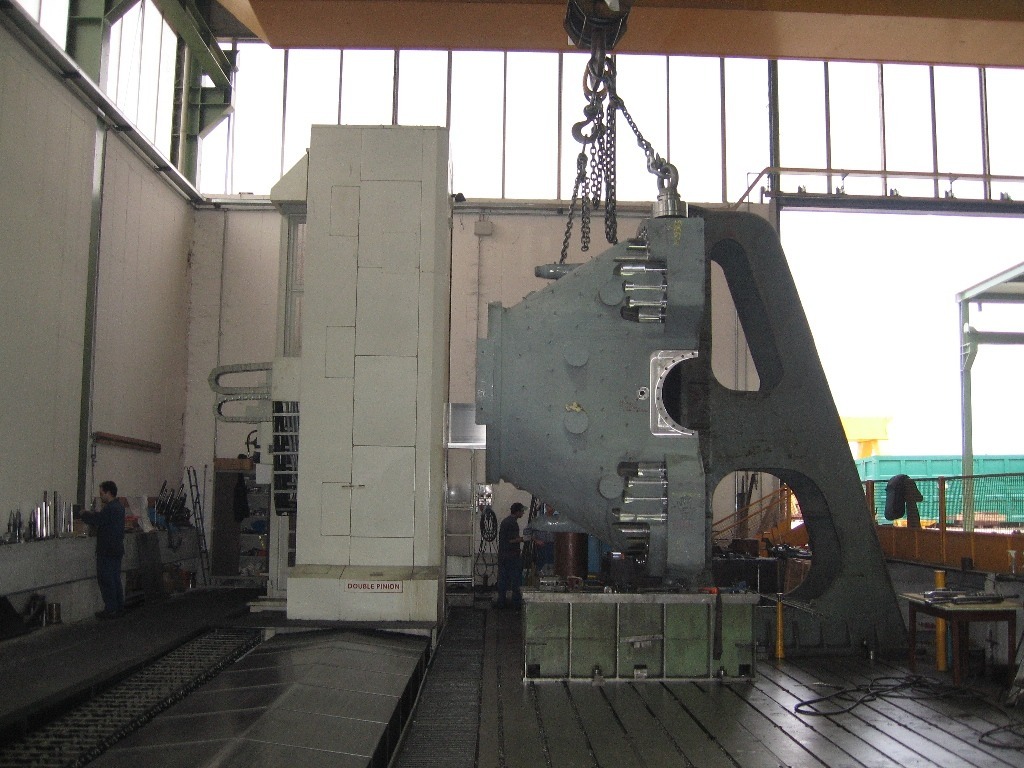
Machining of large welded structures, shipbuilding components, railway frames, earthmoving and construction equipment, mining machinery and heavy mechanical assemblies.

Defense

Accuracy and stability for armored structures, carriers, defense-vehicle components and critical assemblies.

General Engineering & Tooling

Mould & die manufacturing, automotive tooling, subcontracting, general machining and fine-tolerance precision work.

Energy Applications

Machining Requirements in the Energy Sector

Energy-sector manufacturing involves large and heavy components operating under demanding mechanical and thermal conditions.

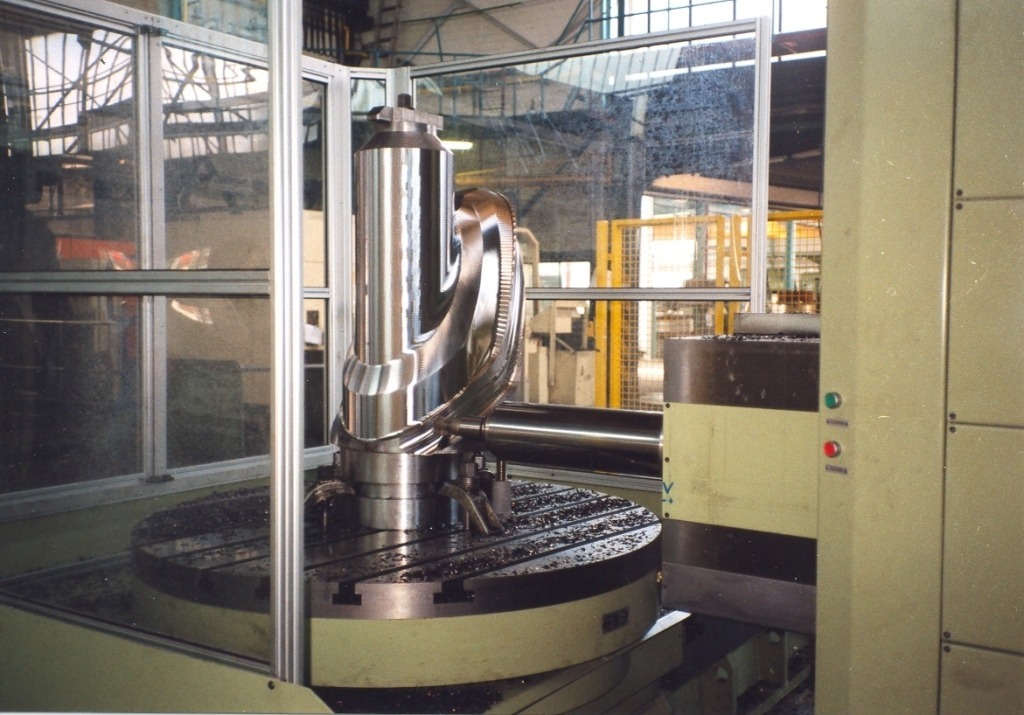
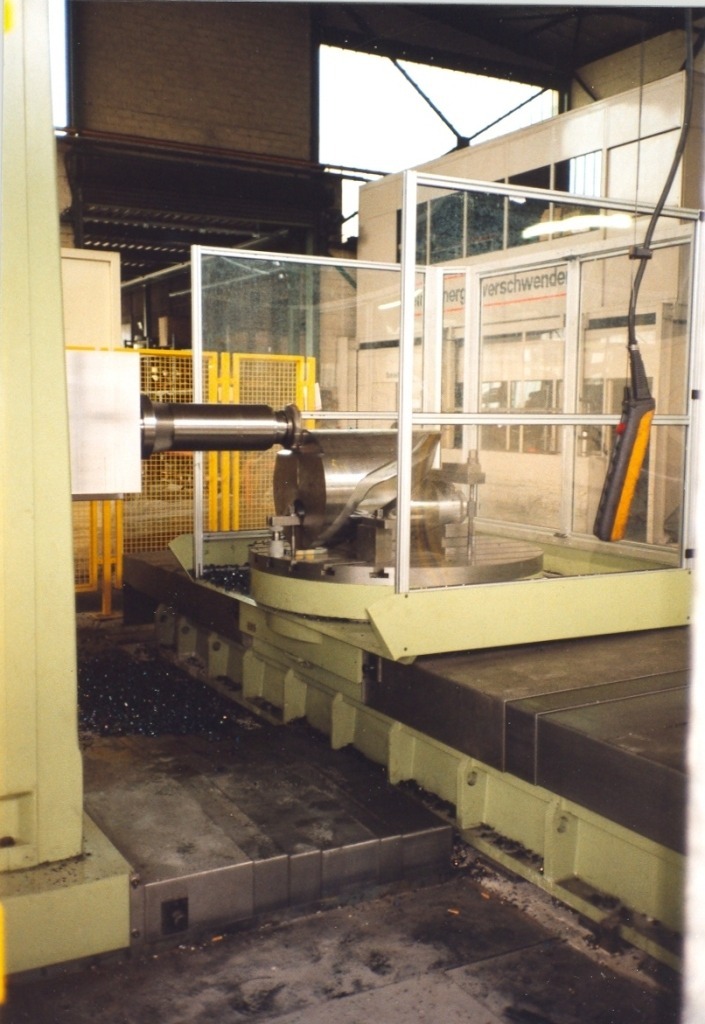
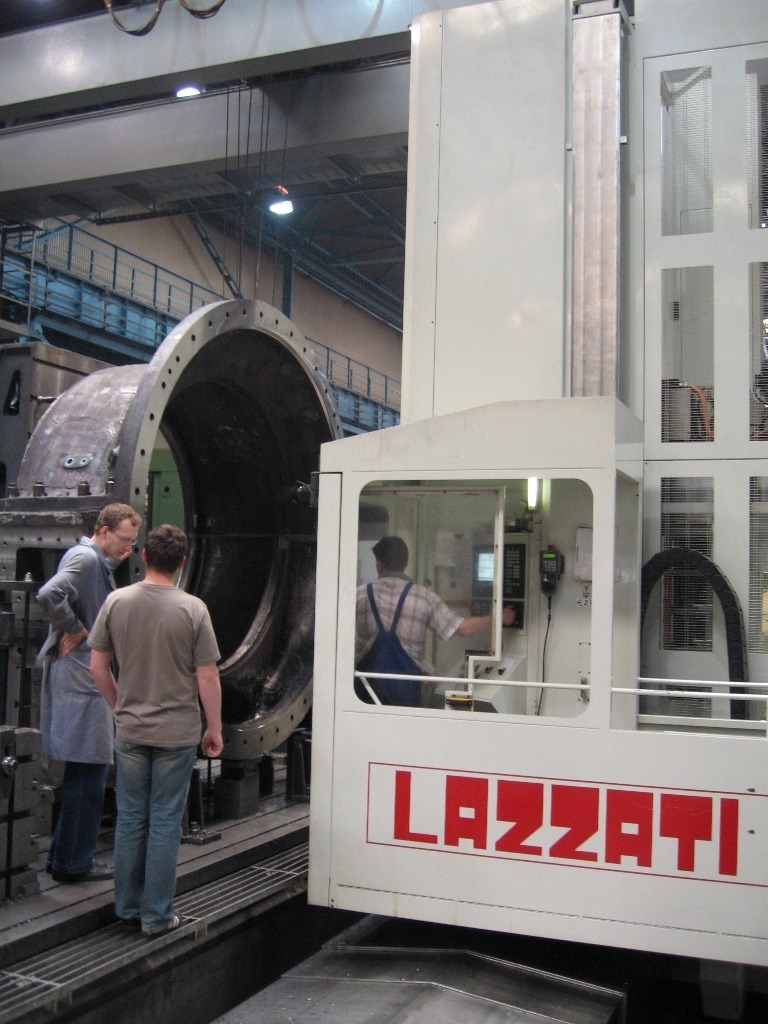
Typical applications include power-generation systems where dimensional stability, precise alignment and surface integrity must be maintained over long machining cycles and extended operating periods.

Components such as turbine housings, rotors and casings require consistent geometry and controlled machining behaviour to ensure correct assembly and long-term operational reliability.

In this context, machine rigidity, thermal stability and accuracy retention are critical factors for production quality.

Hydrostatic Technology for Energy Applications

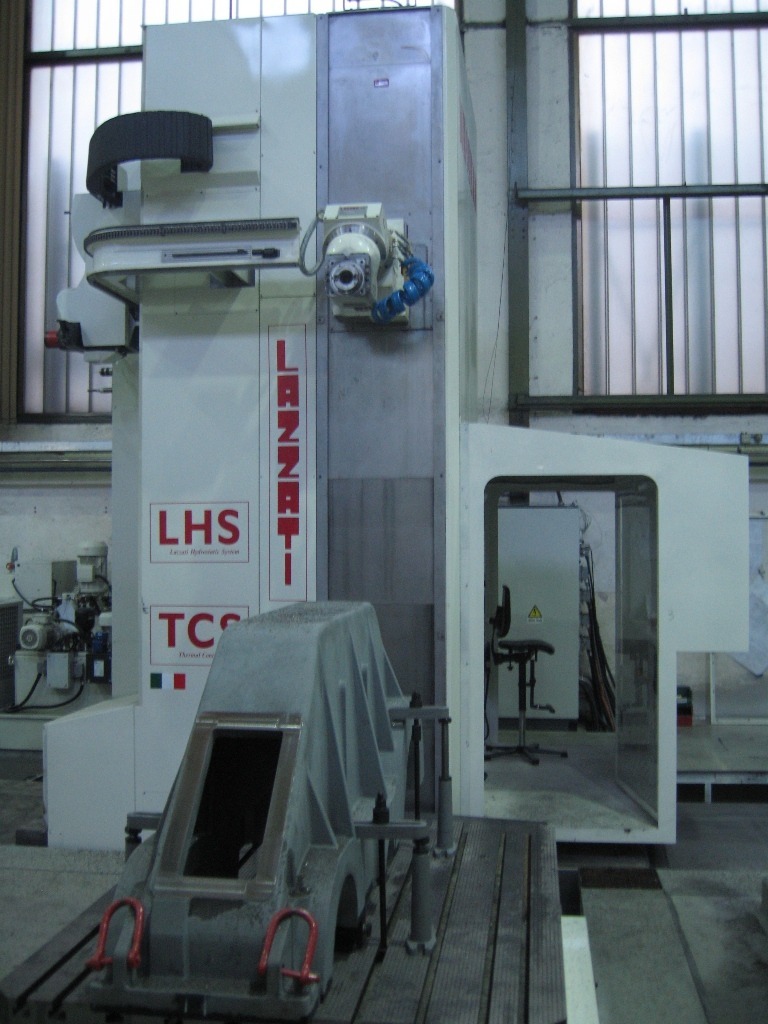
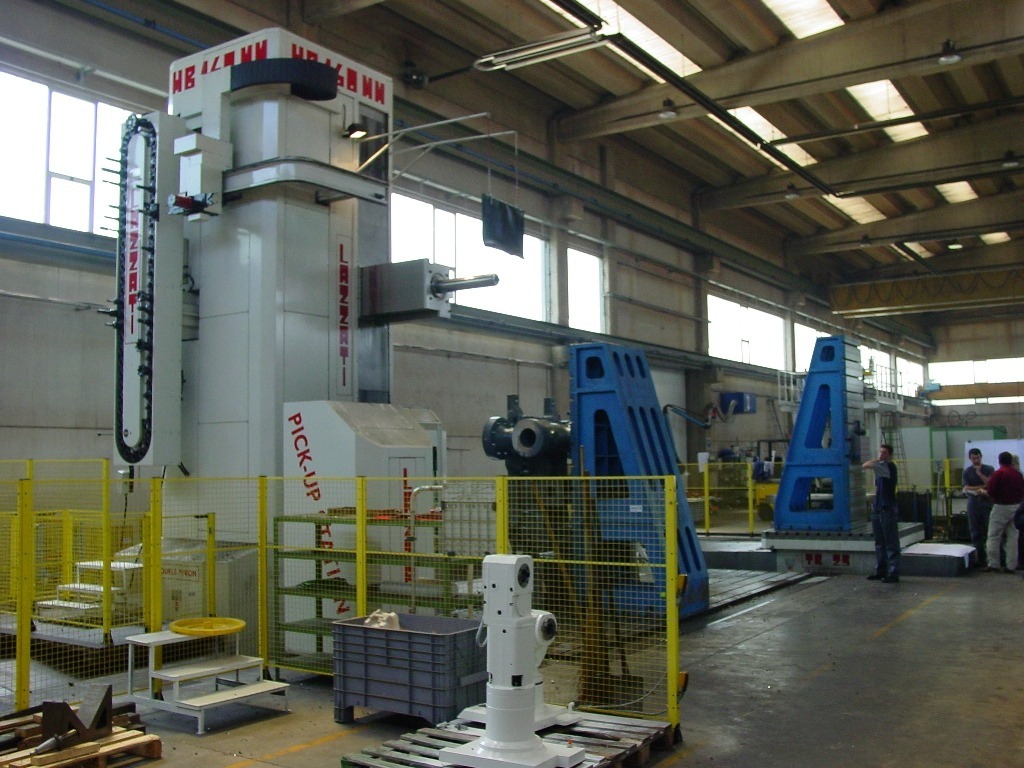
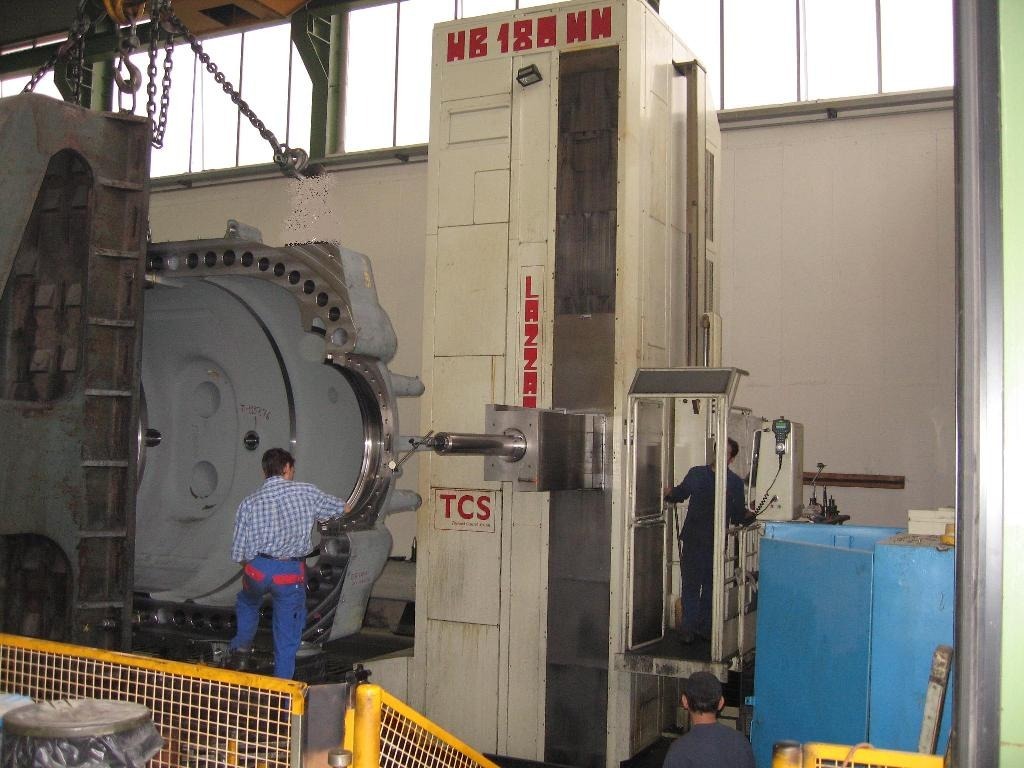
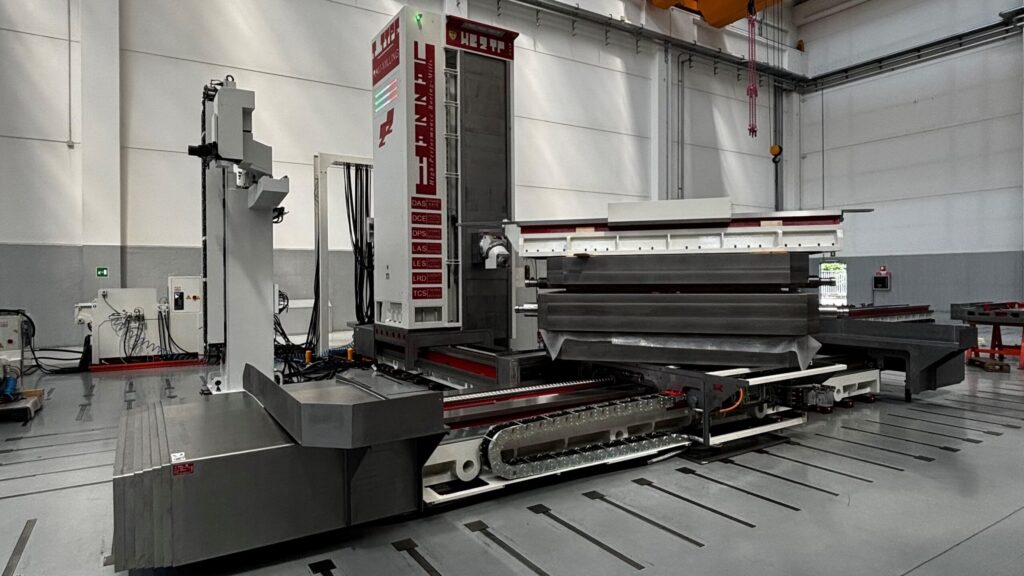
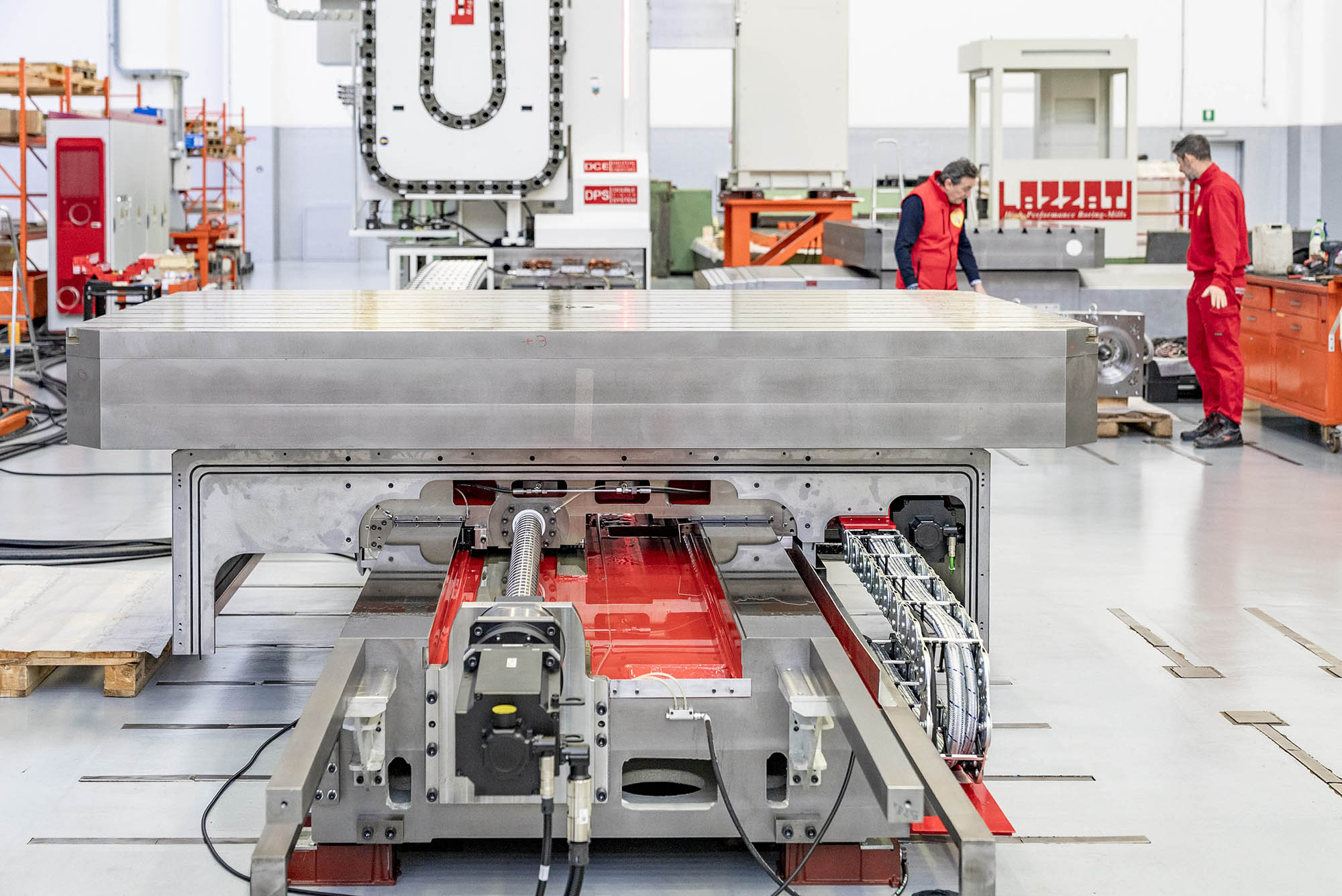
LAZZATI Evo4.0 machines are designed with full hydrostatic guideways that provide constant axis support regardless of load and operating conditions.

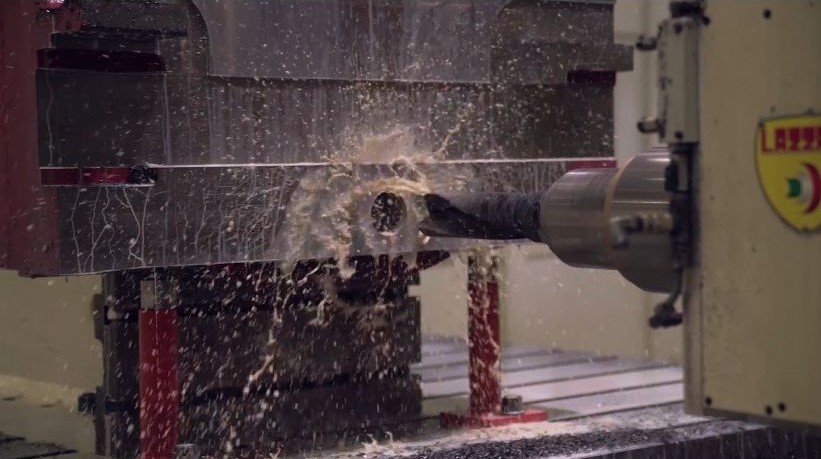
The hydrostatic architecture eliminates mechanical contact and friction-related wear, maintaining stable positioning behaviour during long machining cycles and heavy cutting operations.

This is particularly relevant in energy applications, where large components generate variable loads and thermal effects during machining.

Combined with rigid machine structures and controlled thermal behaviour, hydrostatic technology supports predictable and repeatable machining results for energy-sector components.

Typical Energy Components

LAZZATI hydrostatic boring and milling machines are commonly used for machining:

Z

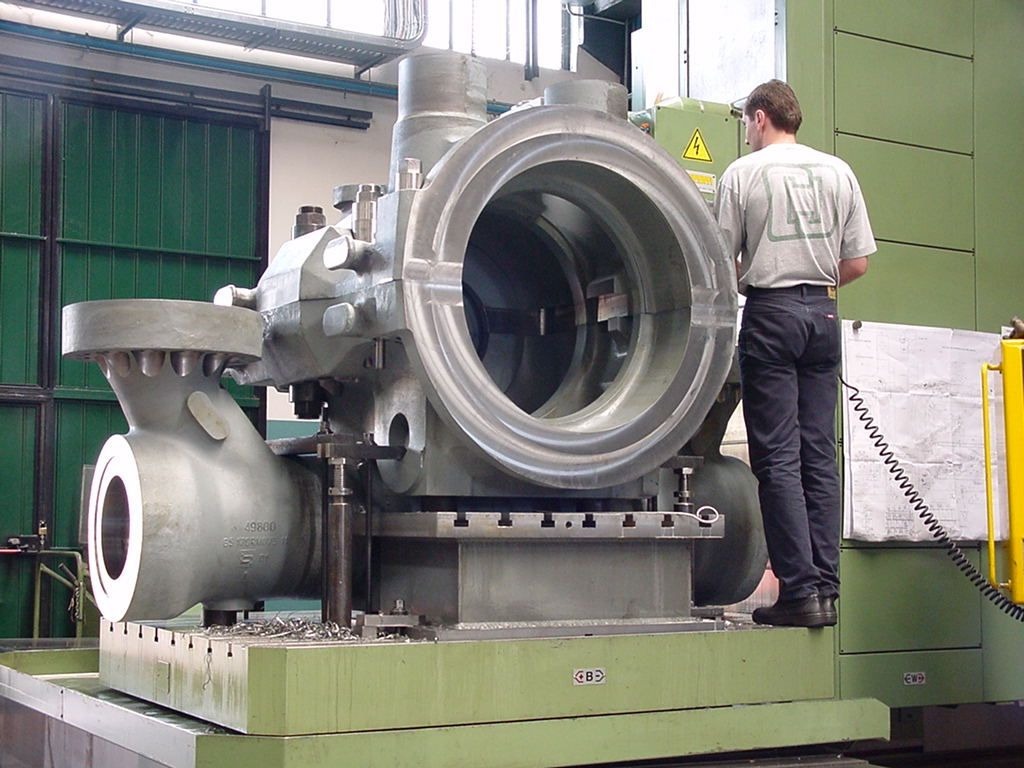
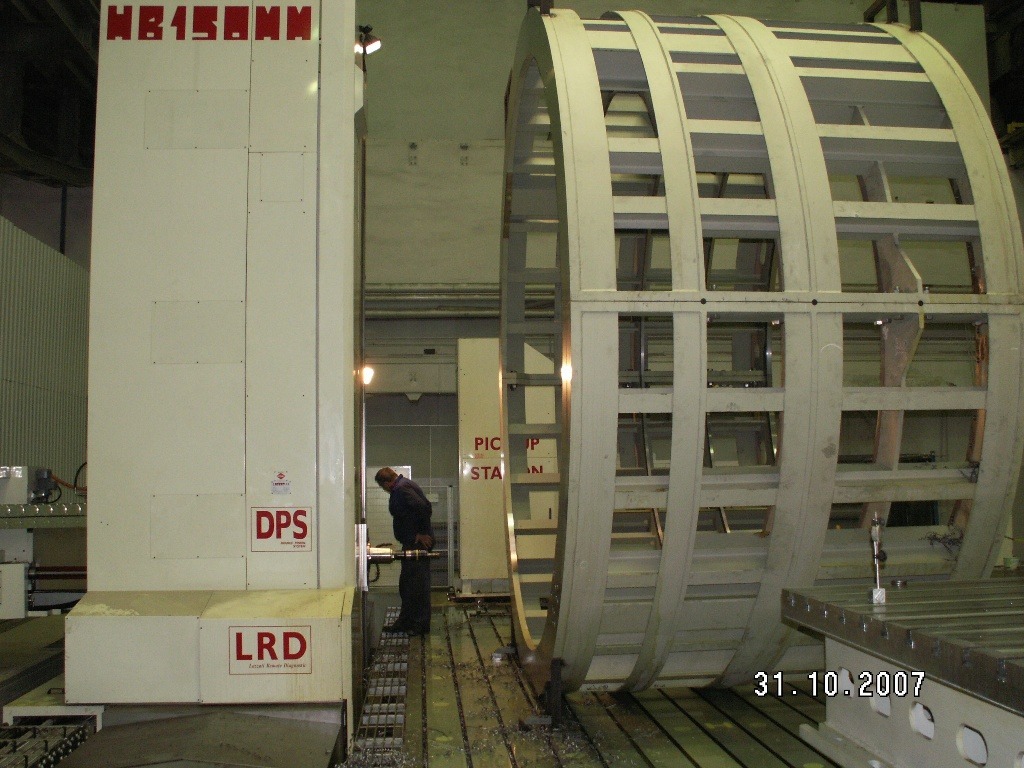
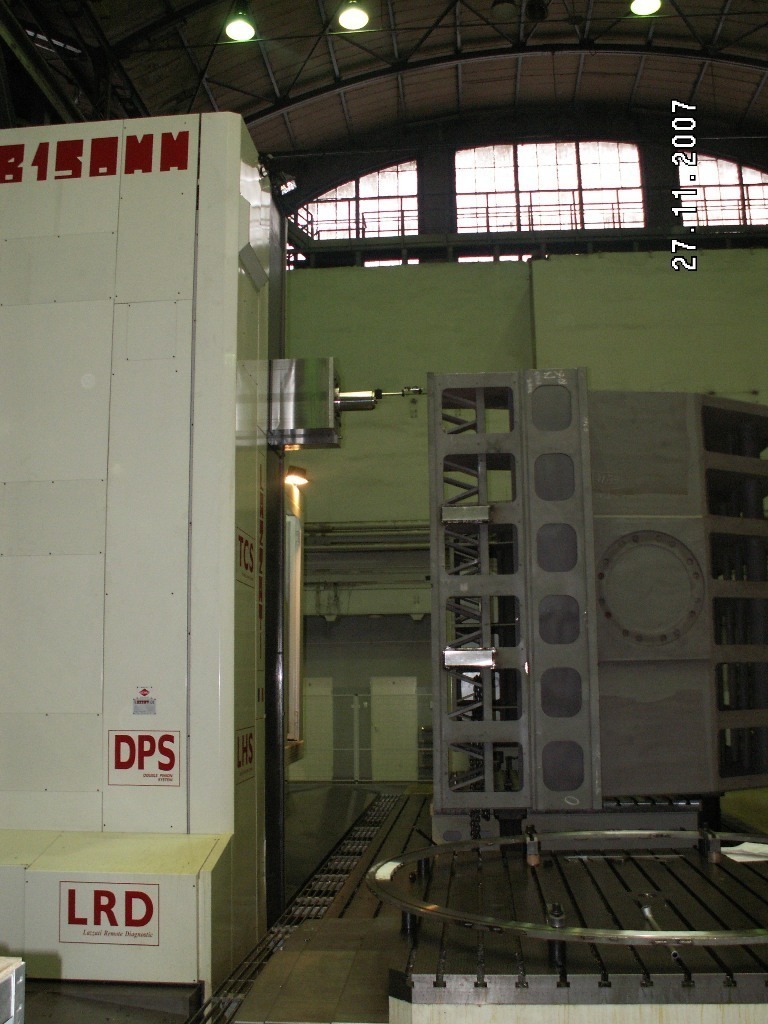
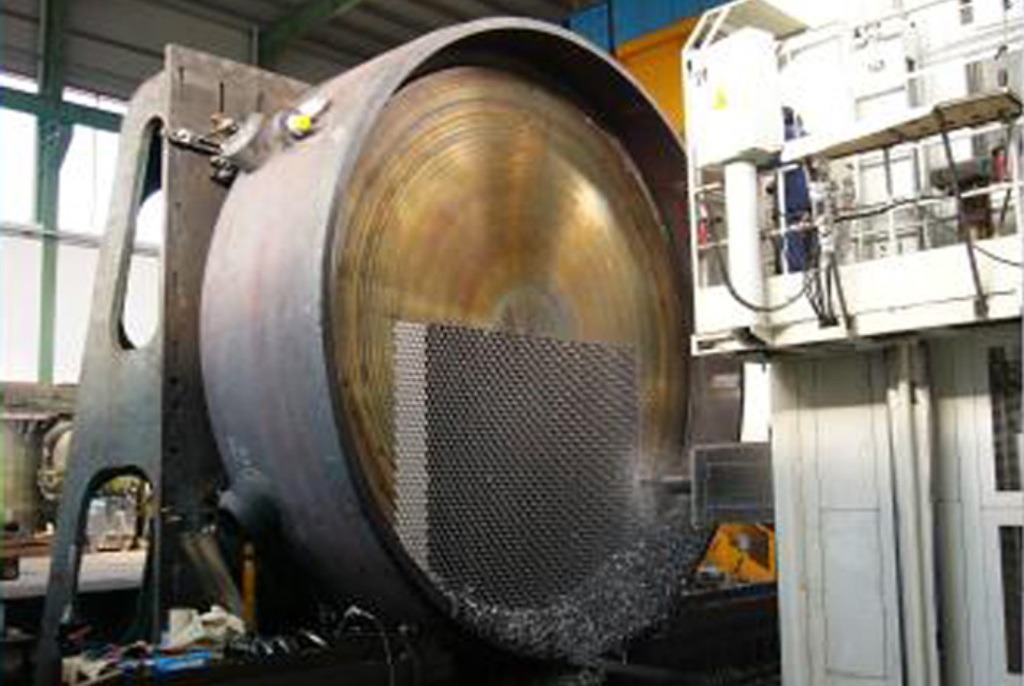
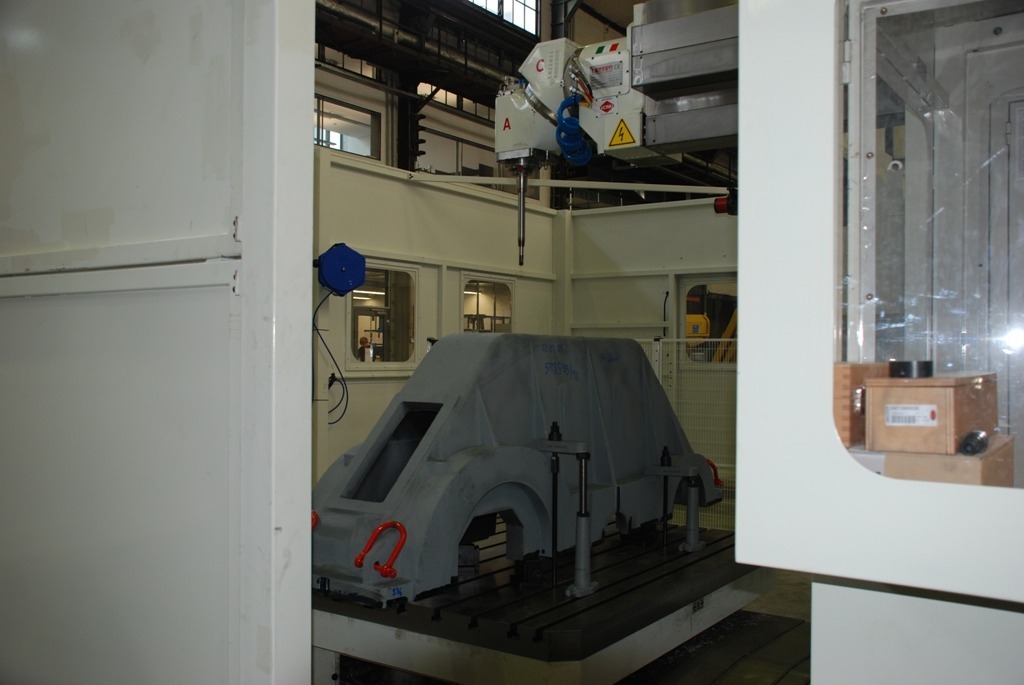
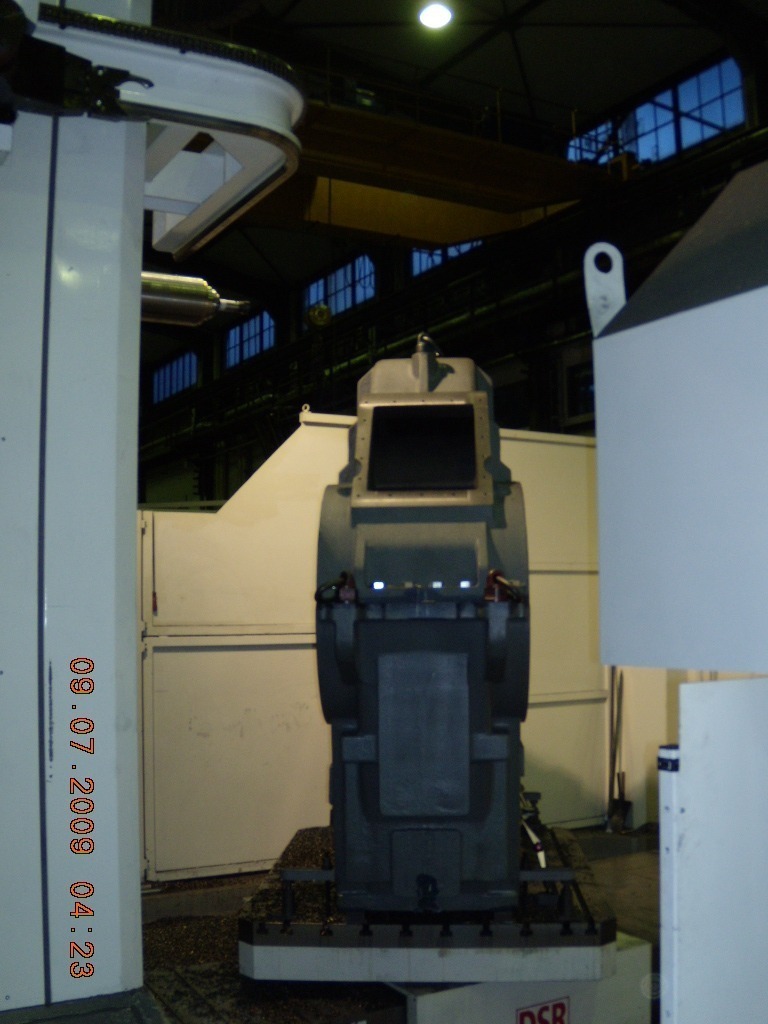
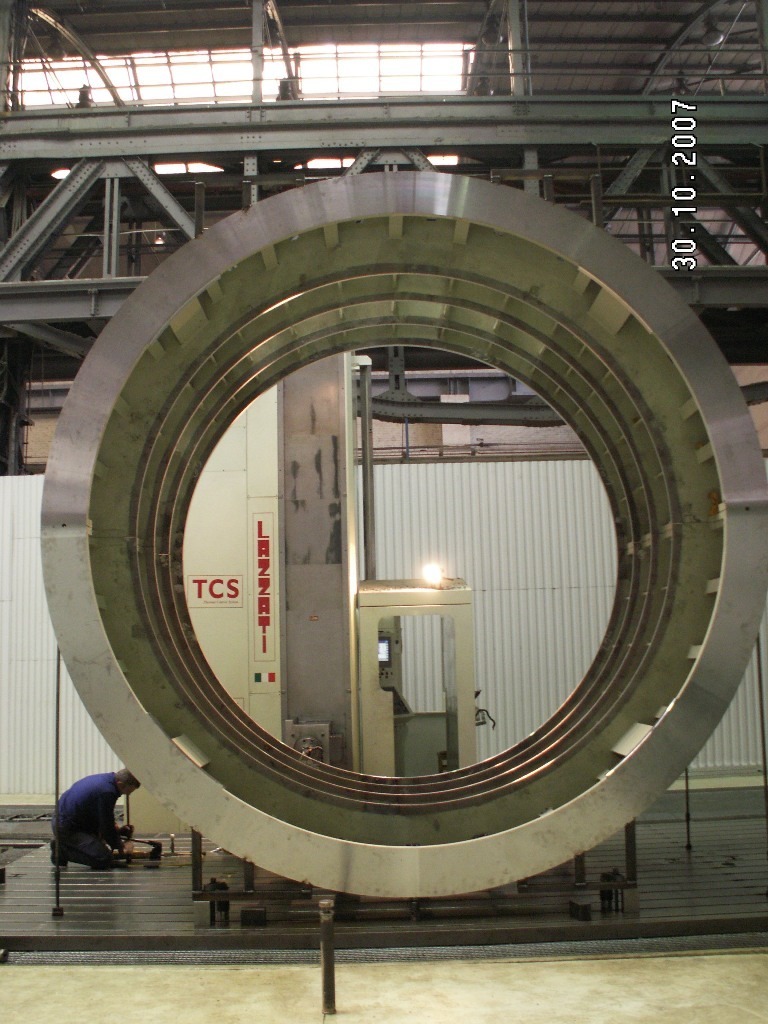
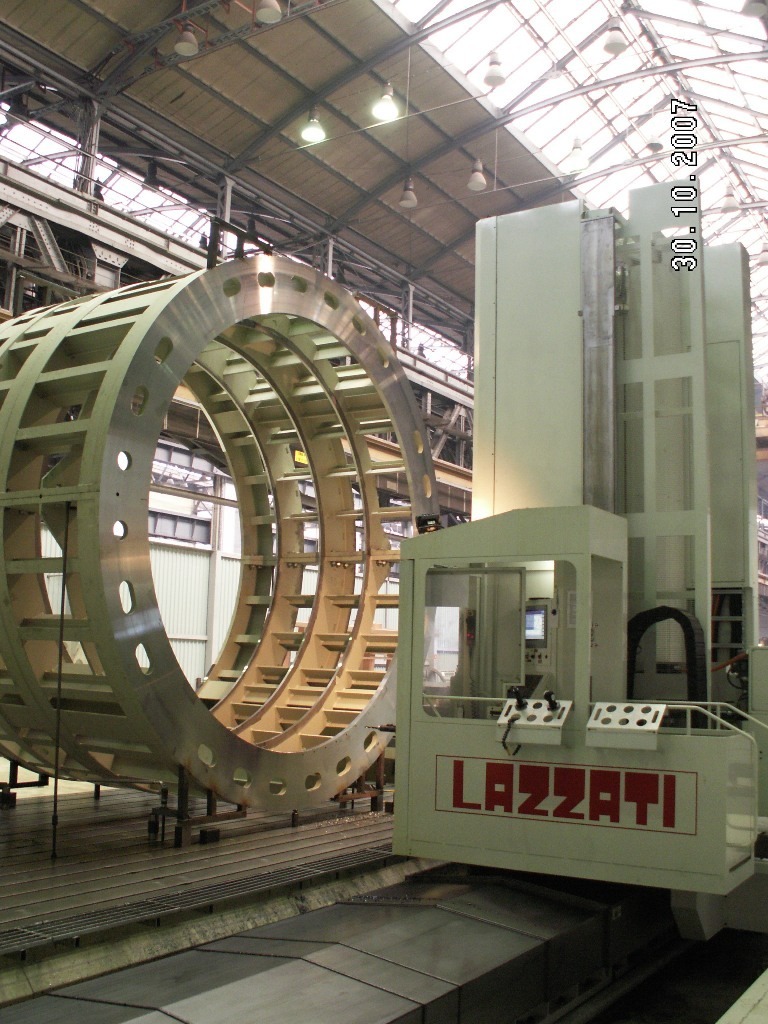
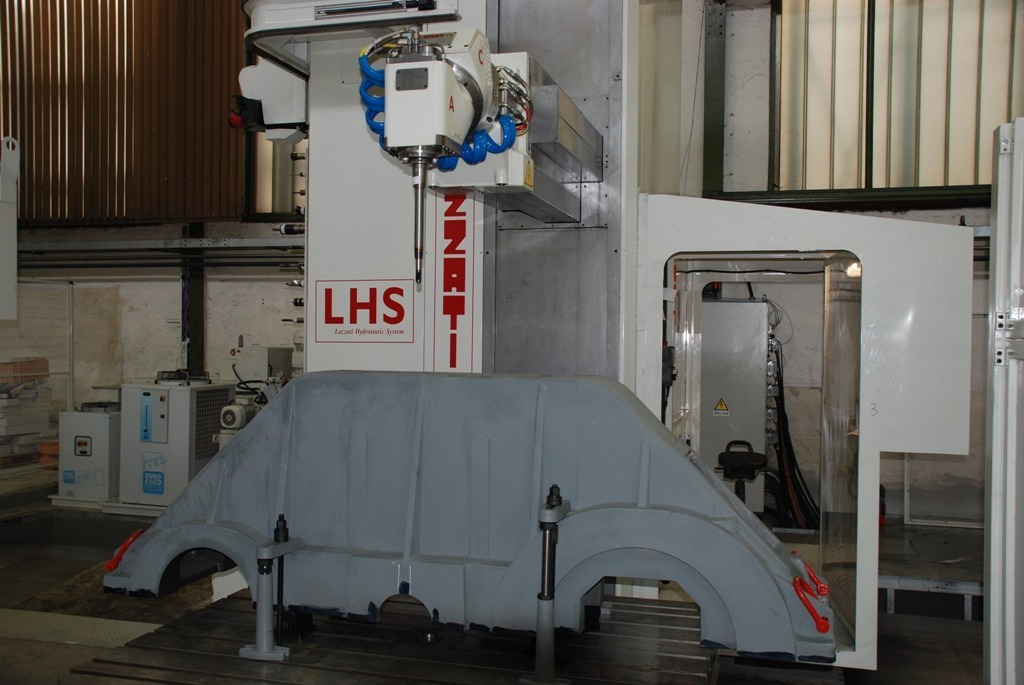
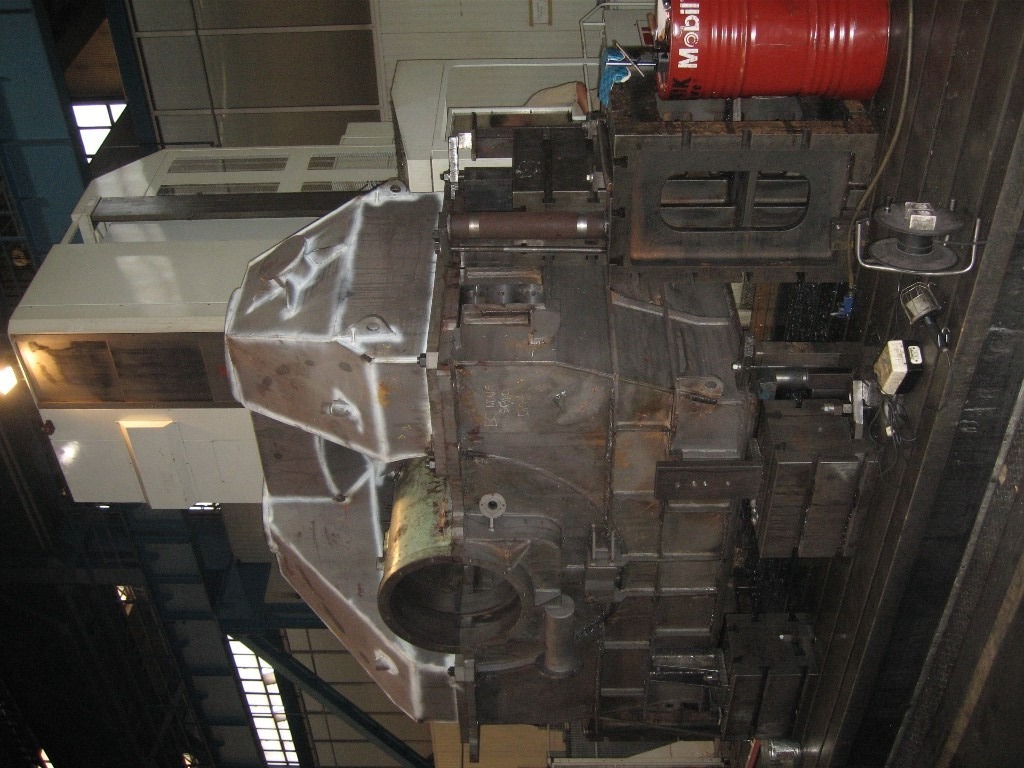
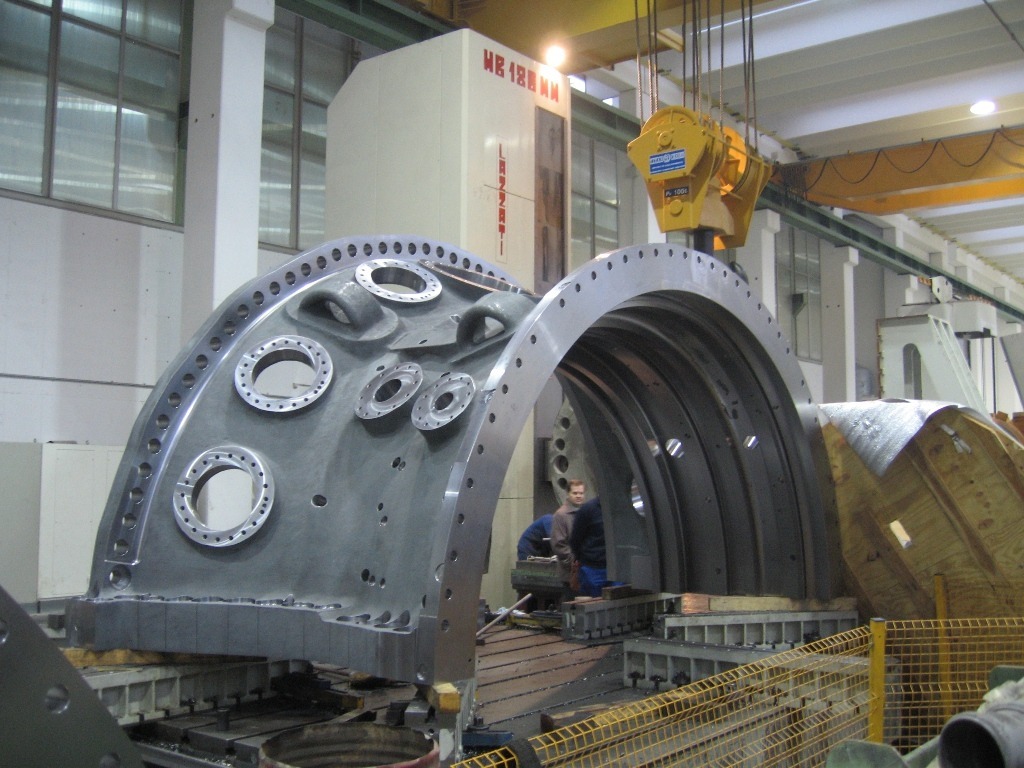
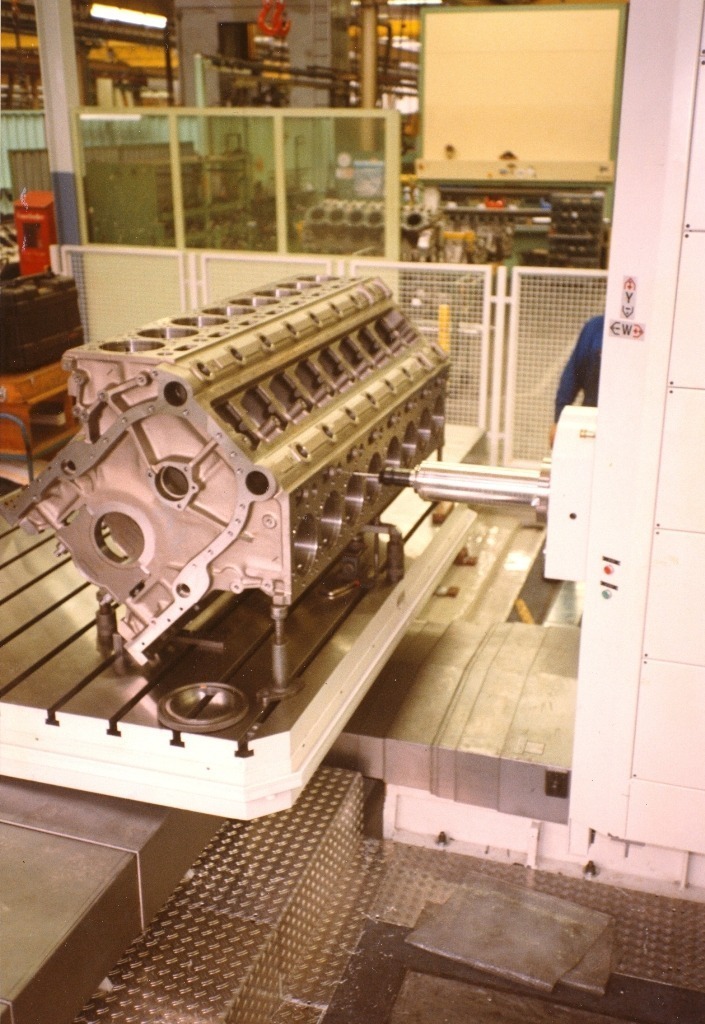
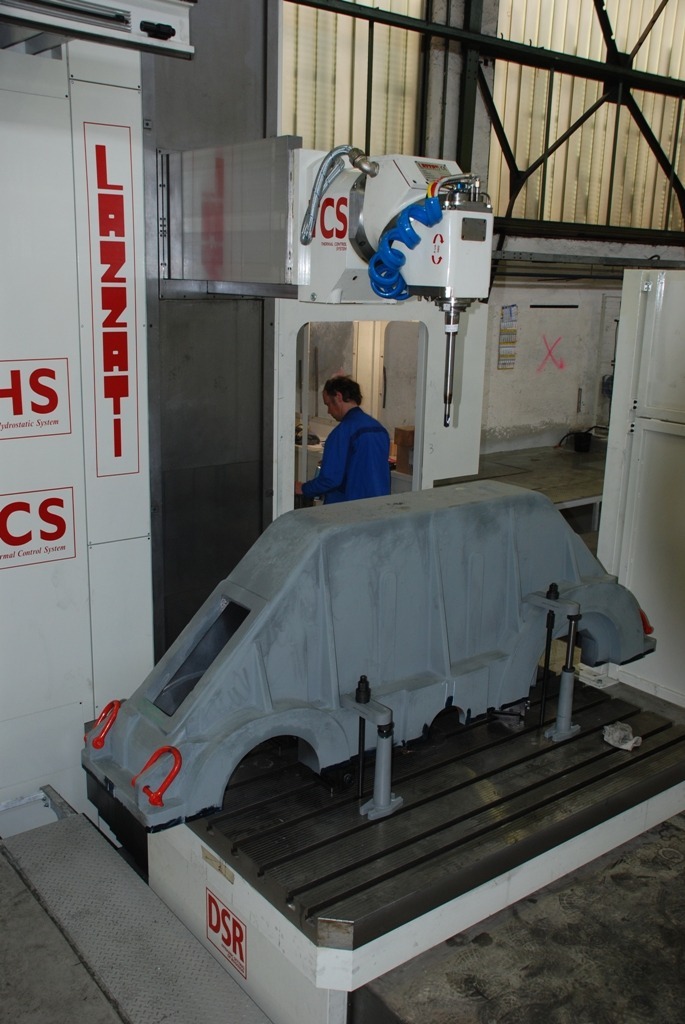
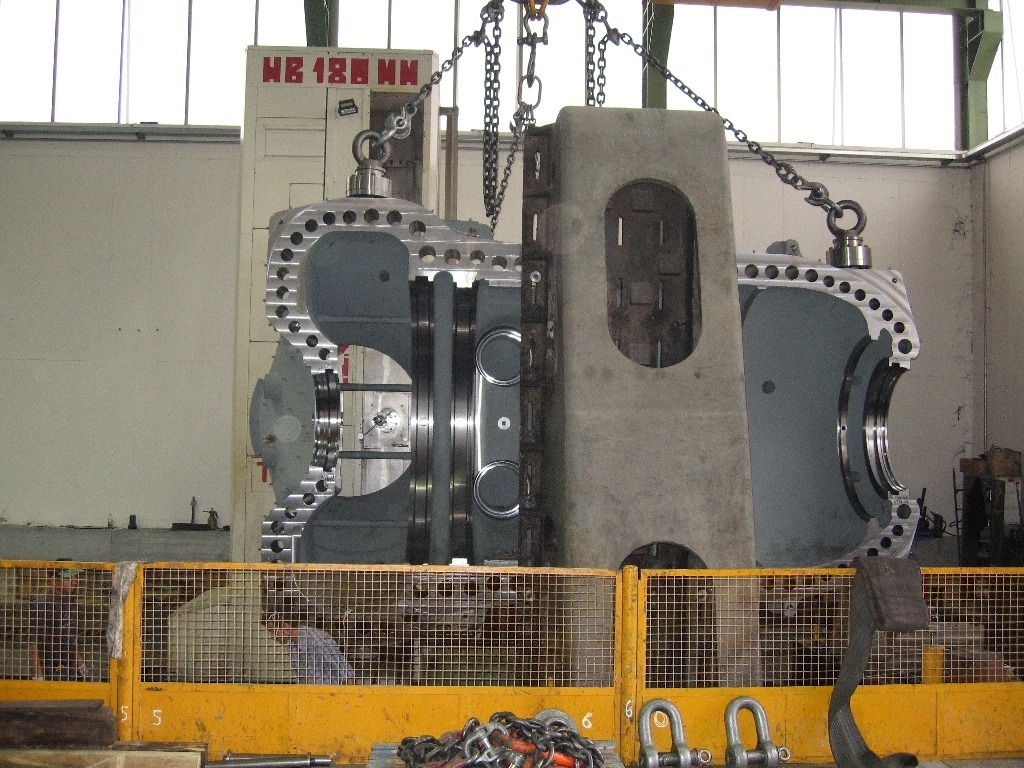
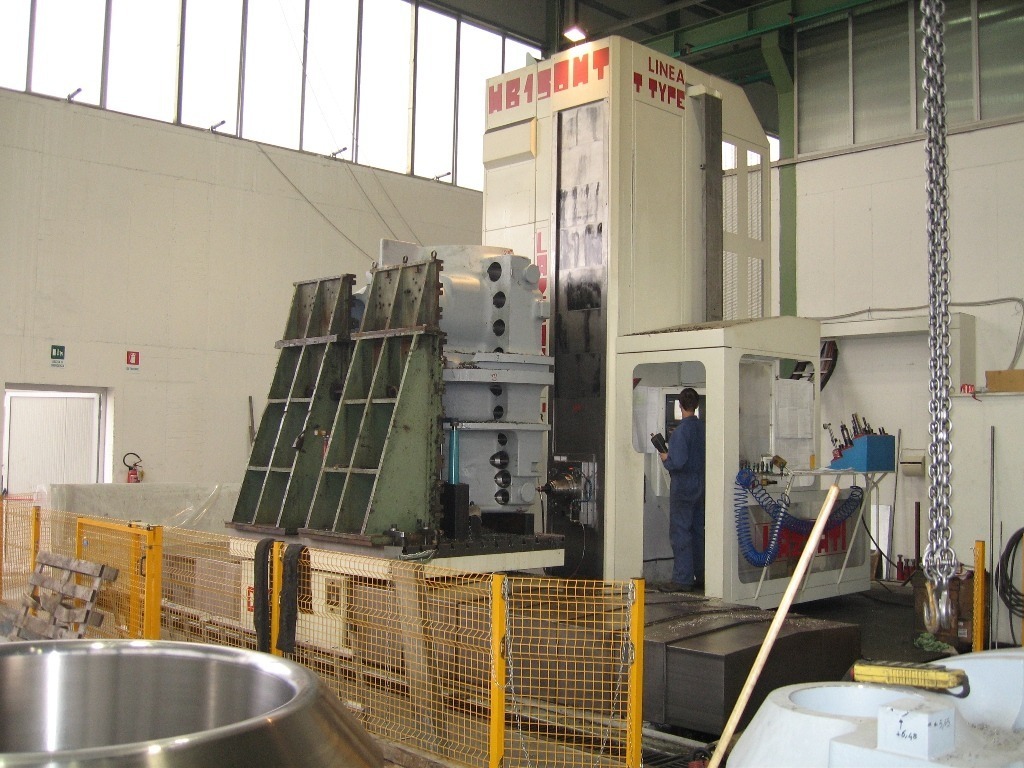
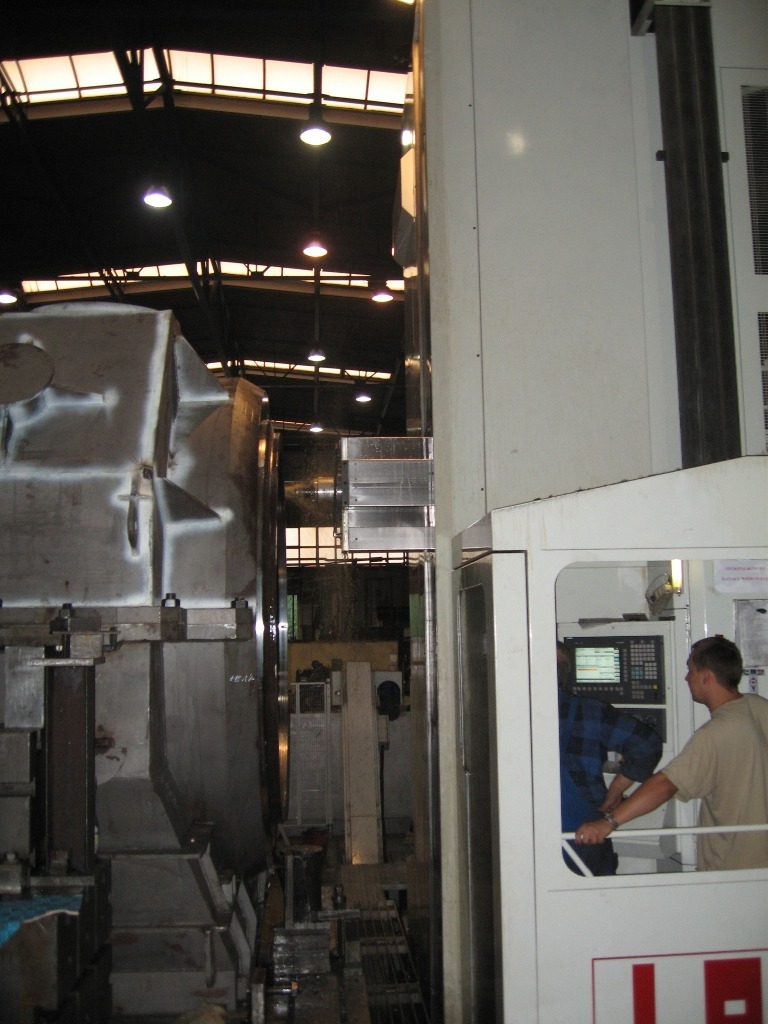
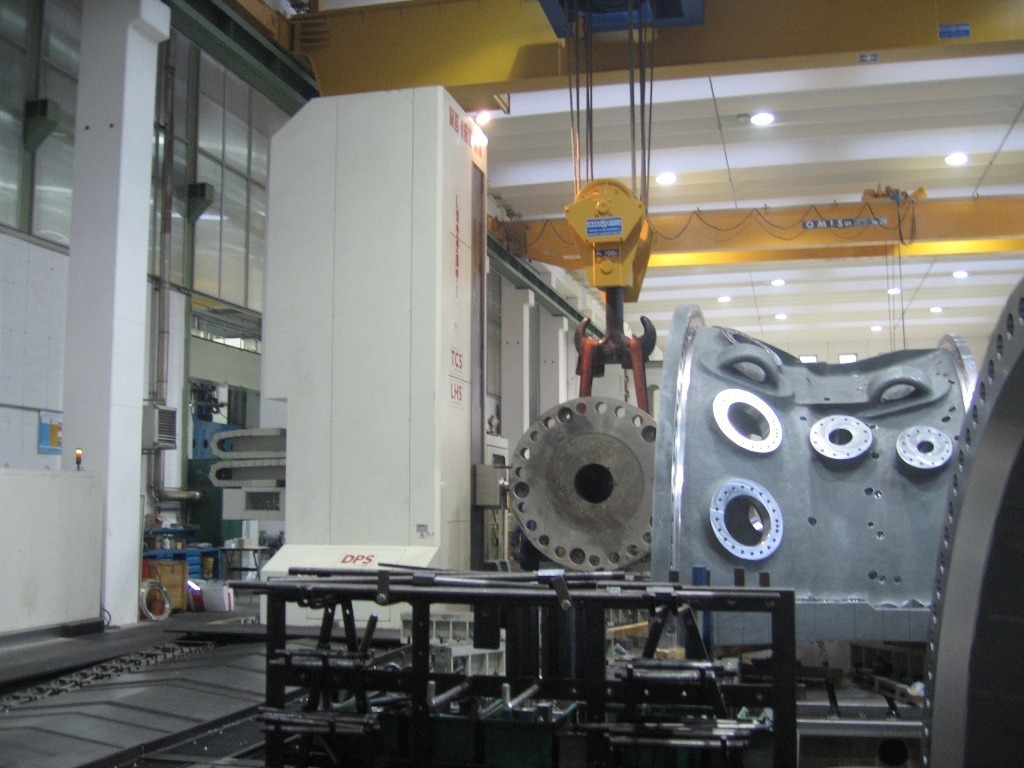
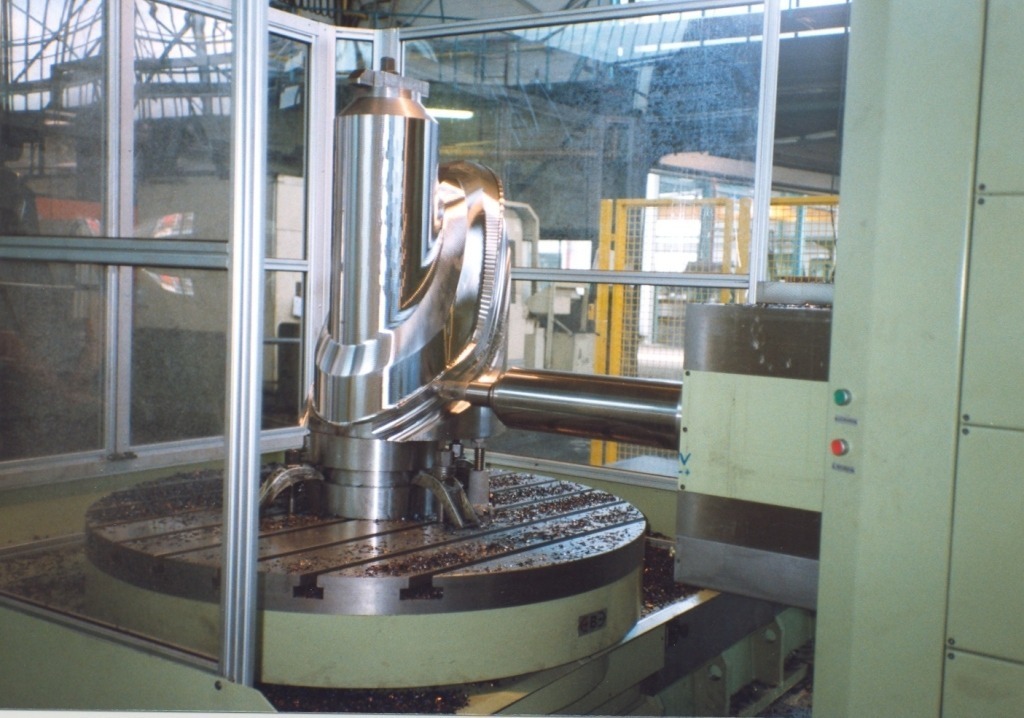
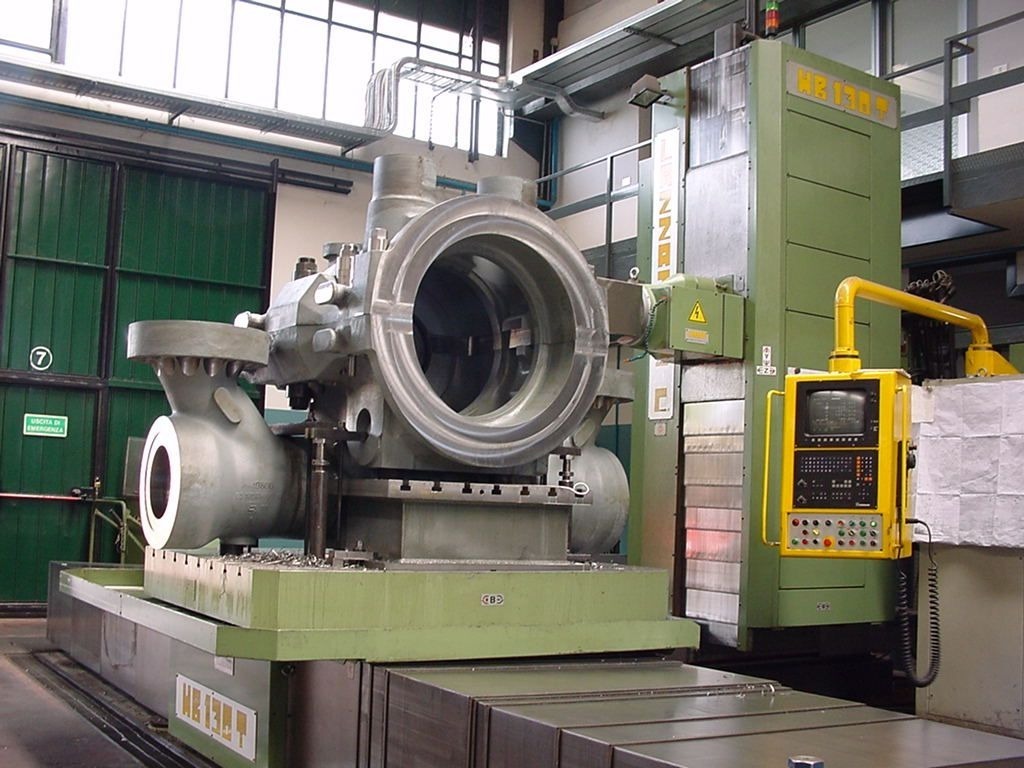
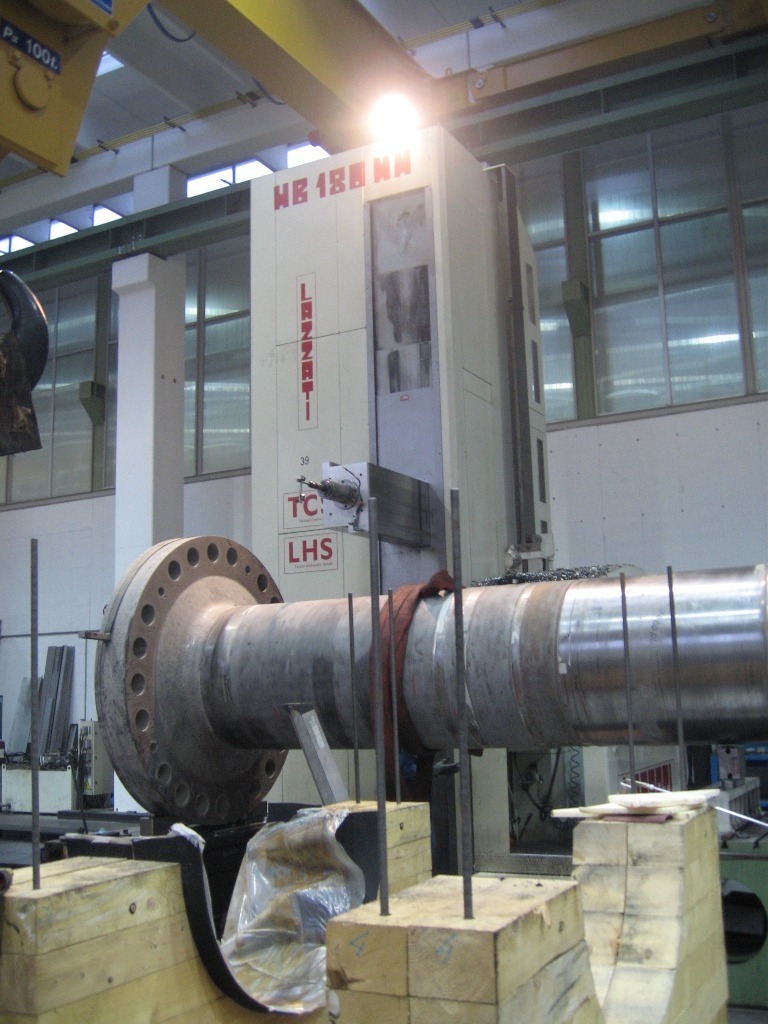
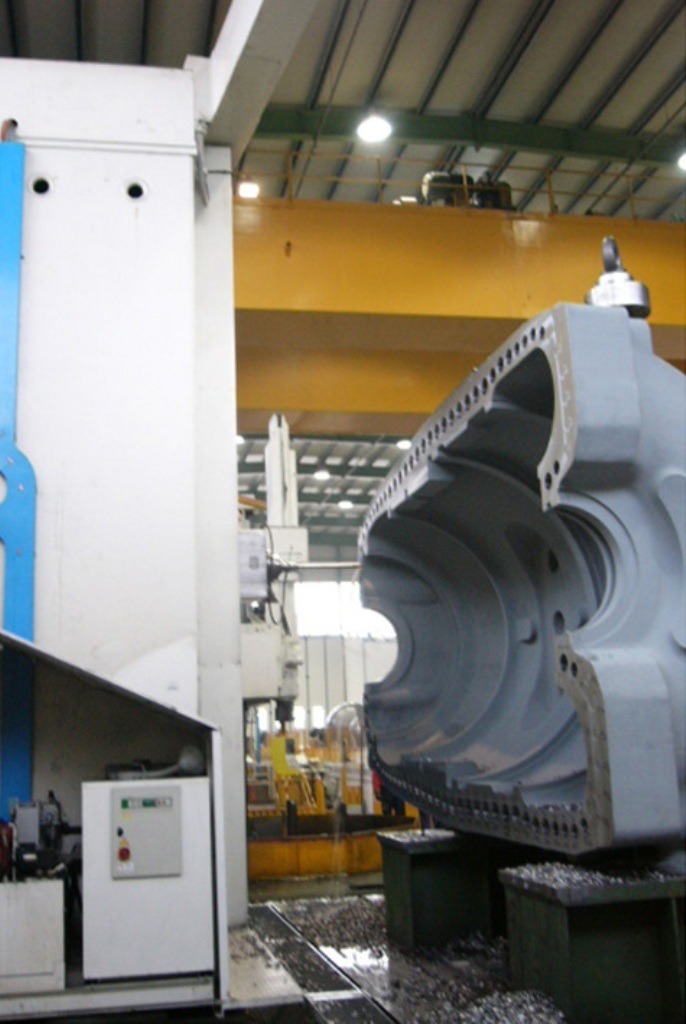
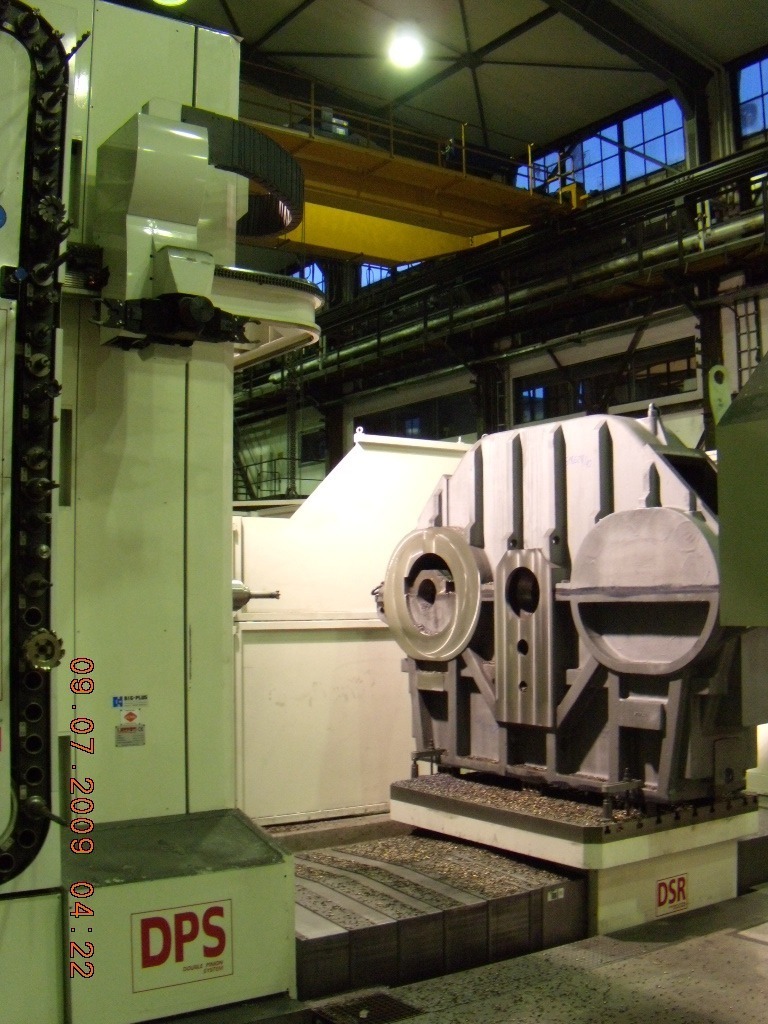
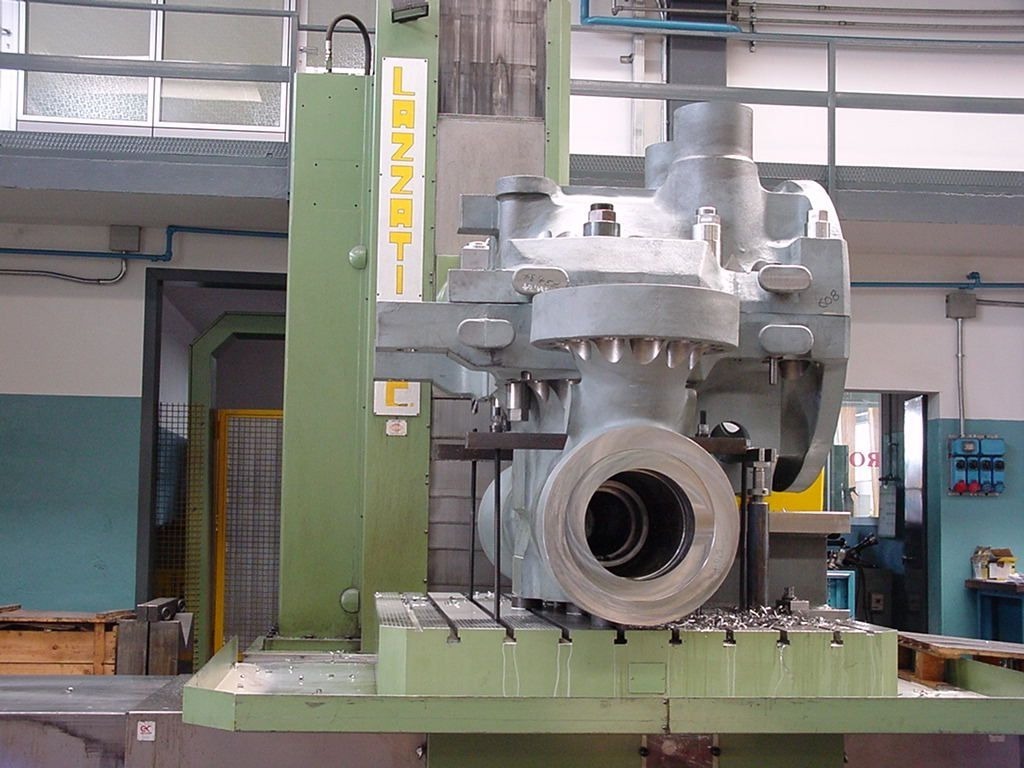
Turbine housings and casings

Z

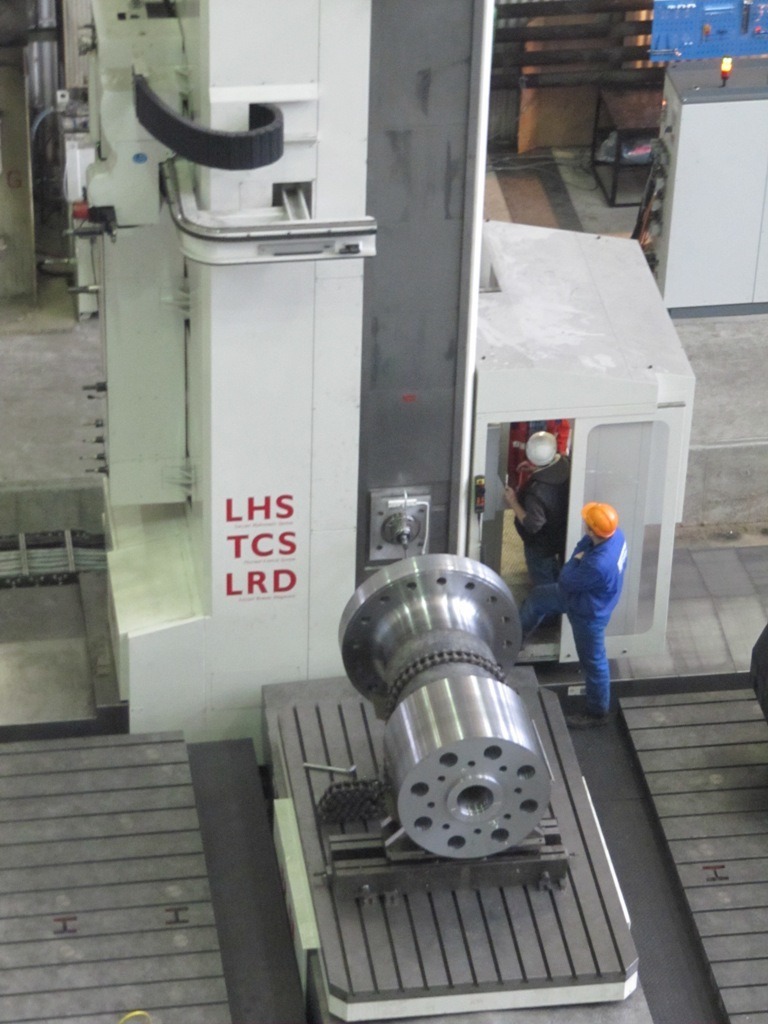
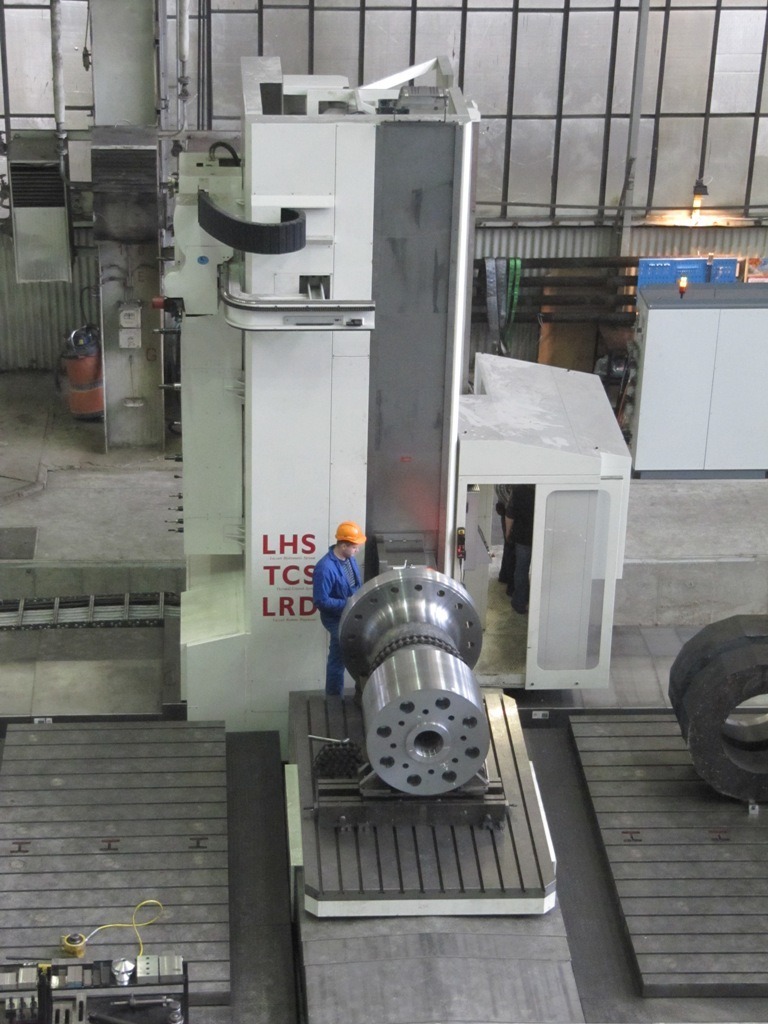
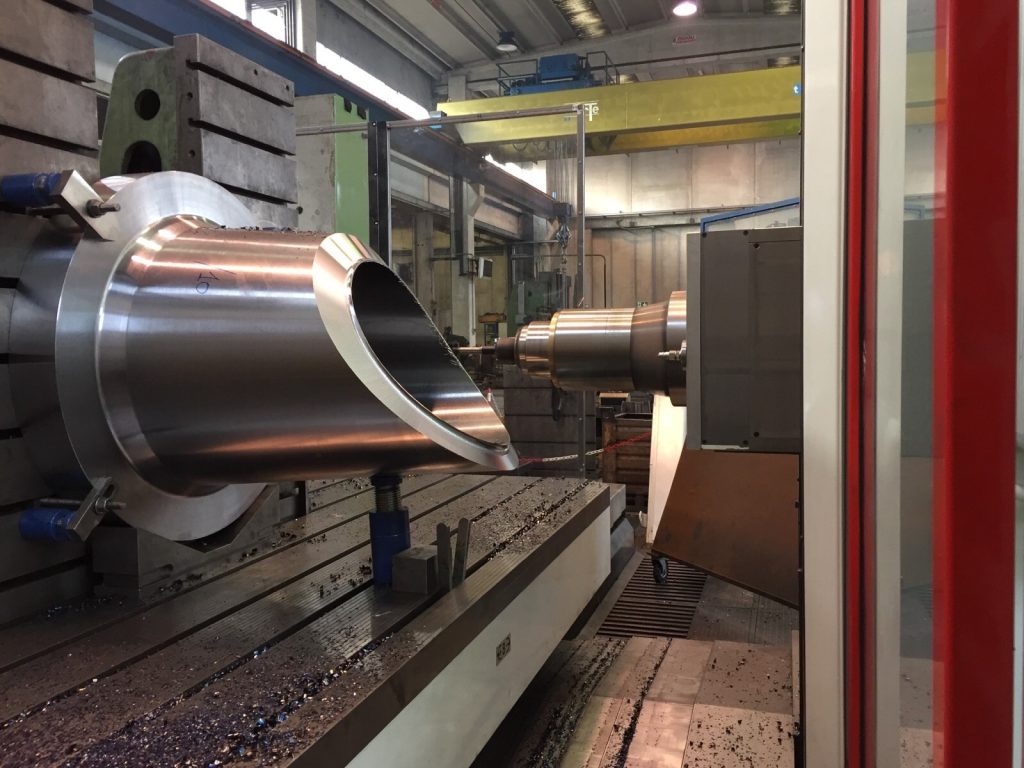
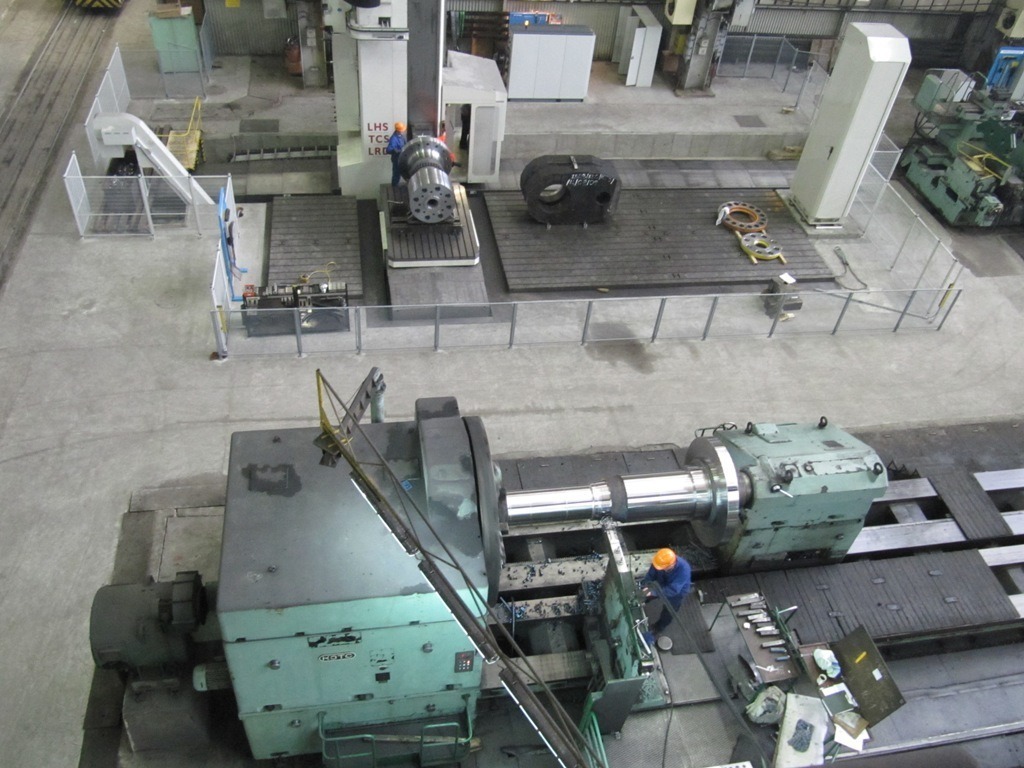
Rotors and large shafts

Z

Wind energy components

Z

Nuclear power components

Z

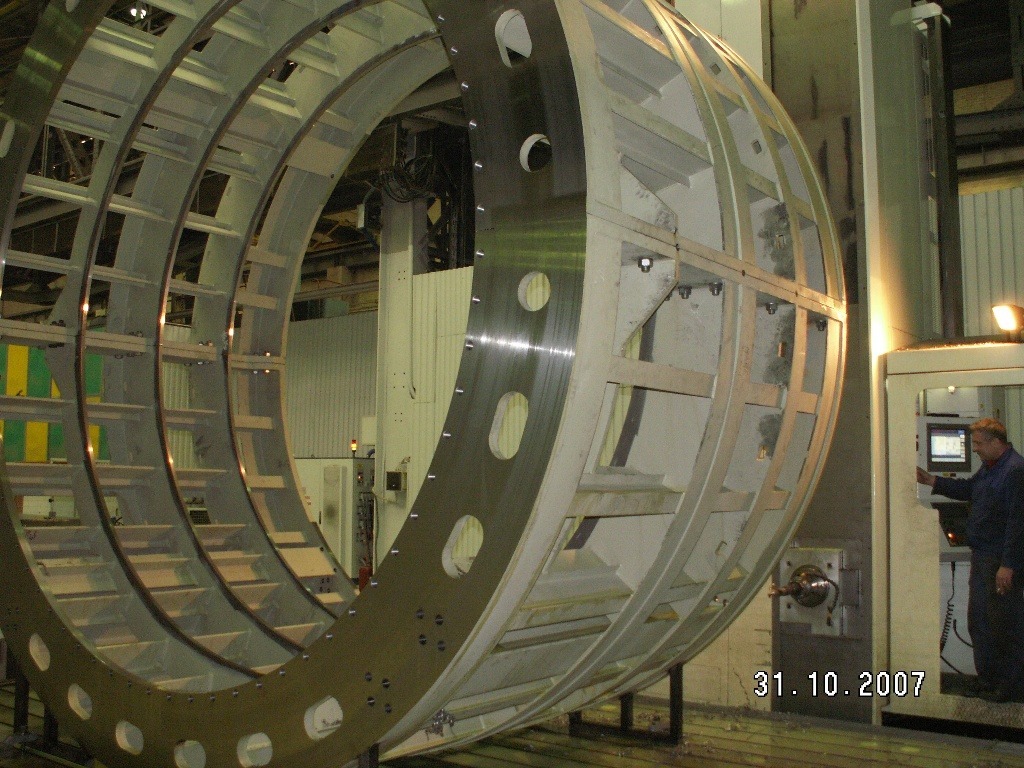
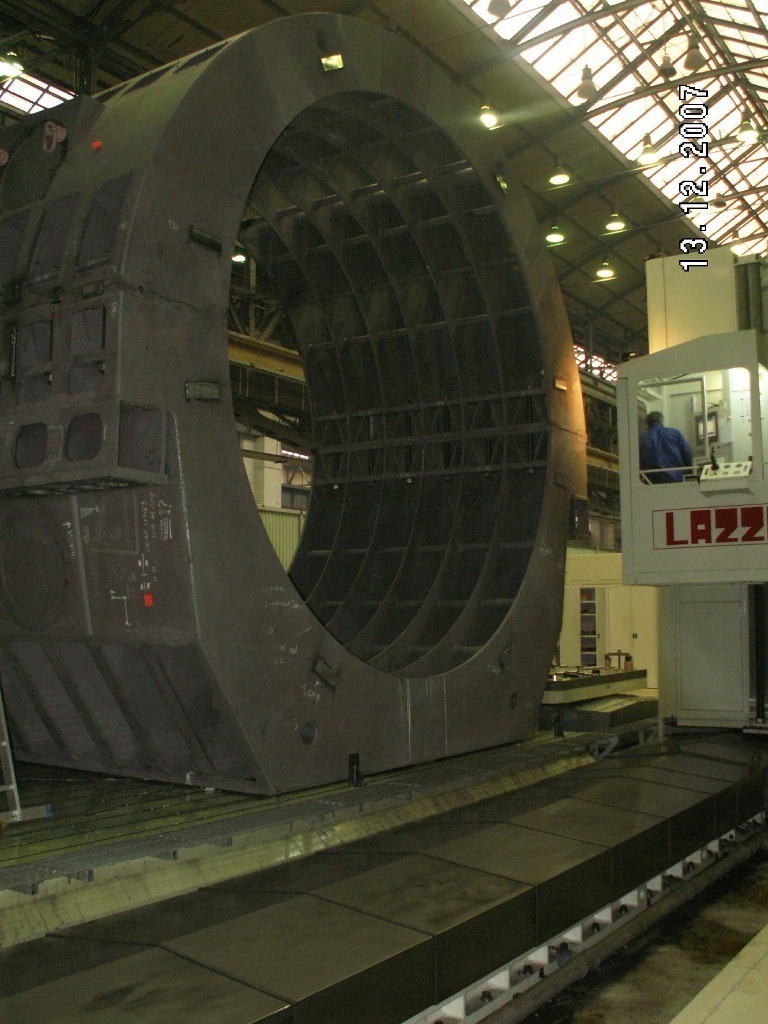
Power generation system structures

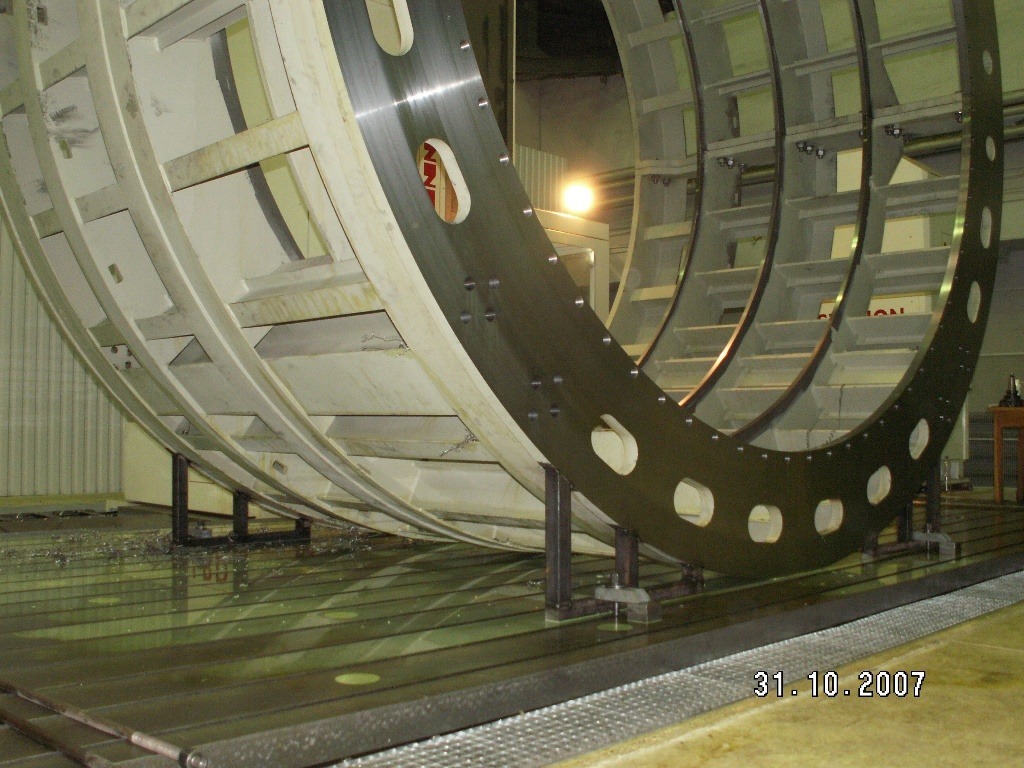
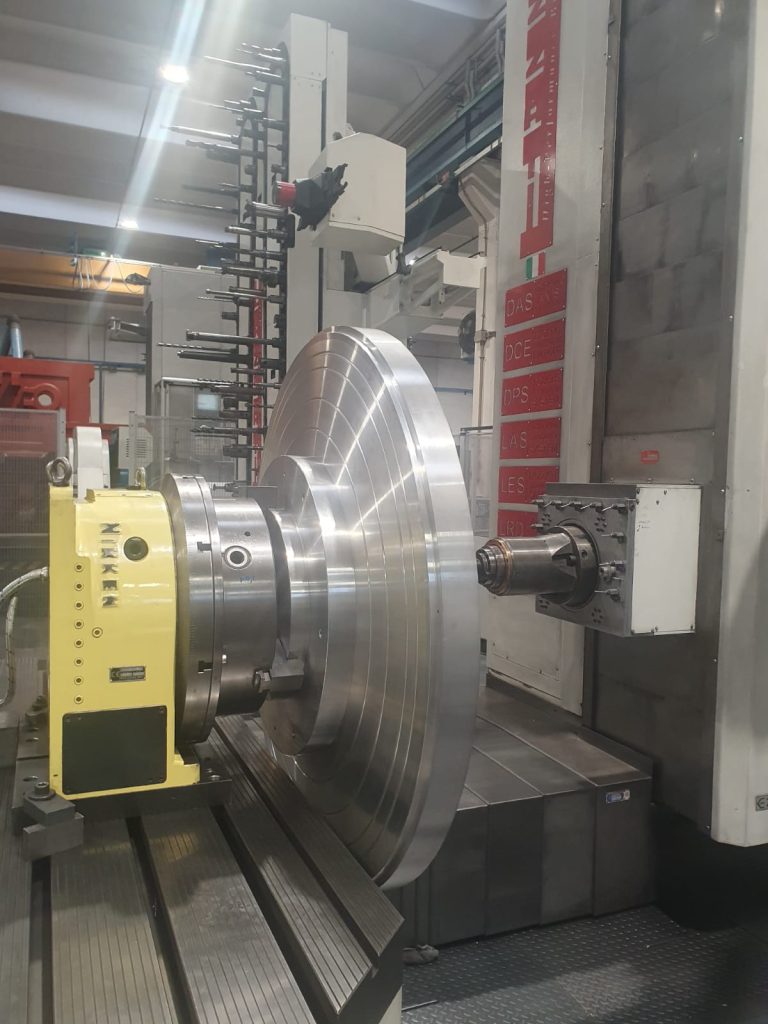
These components often require deep machining, accurate positioning over long strokes and stable performance during extended machining cycles.
Energy Applications

Recommended Machine Configurations

Energy applications require machine configurations capable of handling large dimensions, high masses and demanding cutting conditions while maintaining accuracy.
Typical configurations include:
Z

Evo4.0 hydrostatic architecture

Z

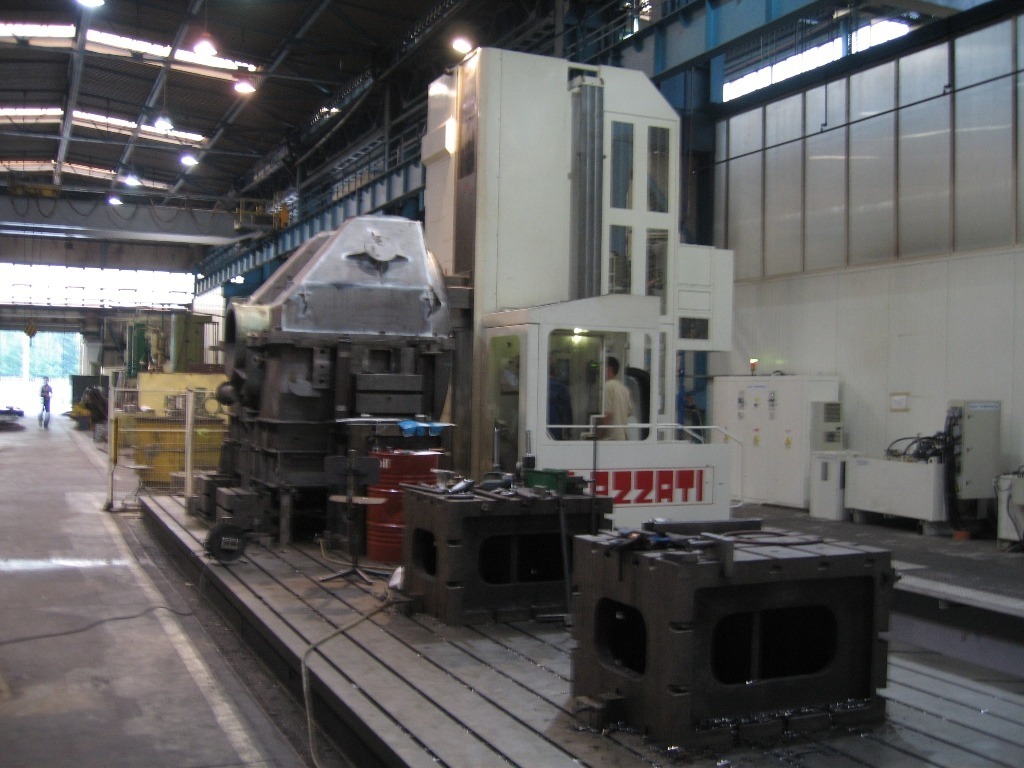
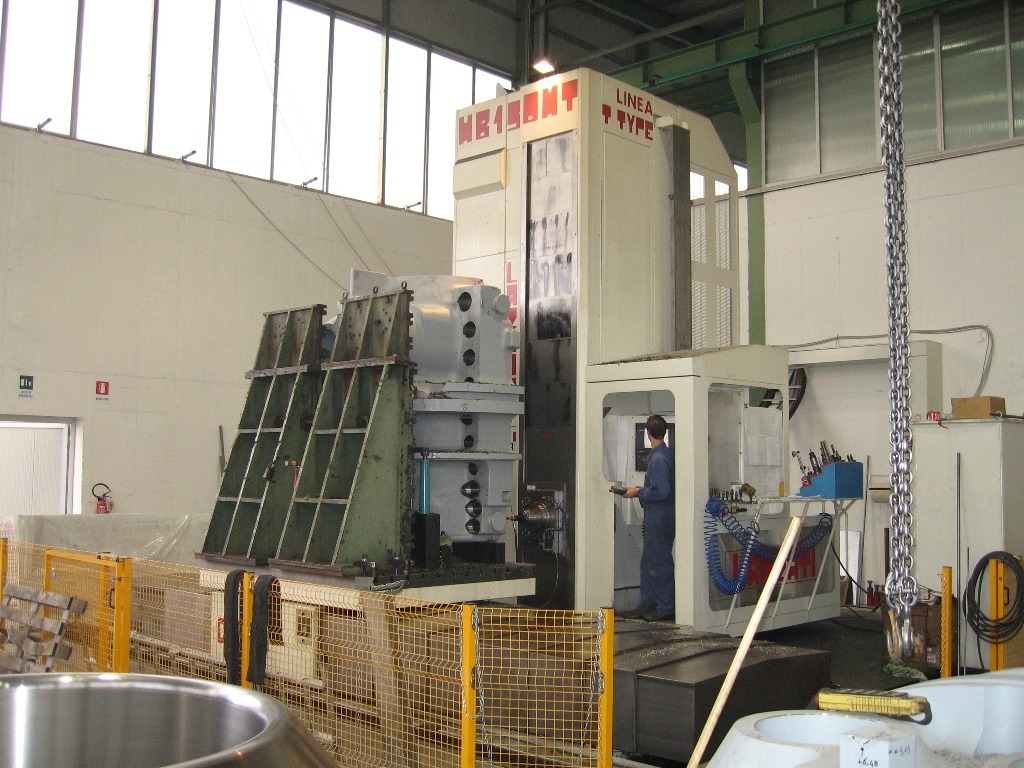
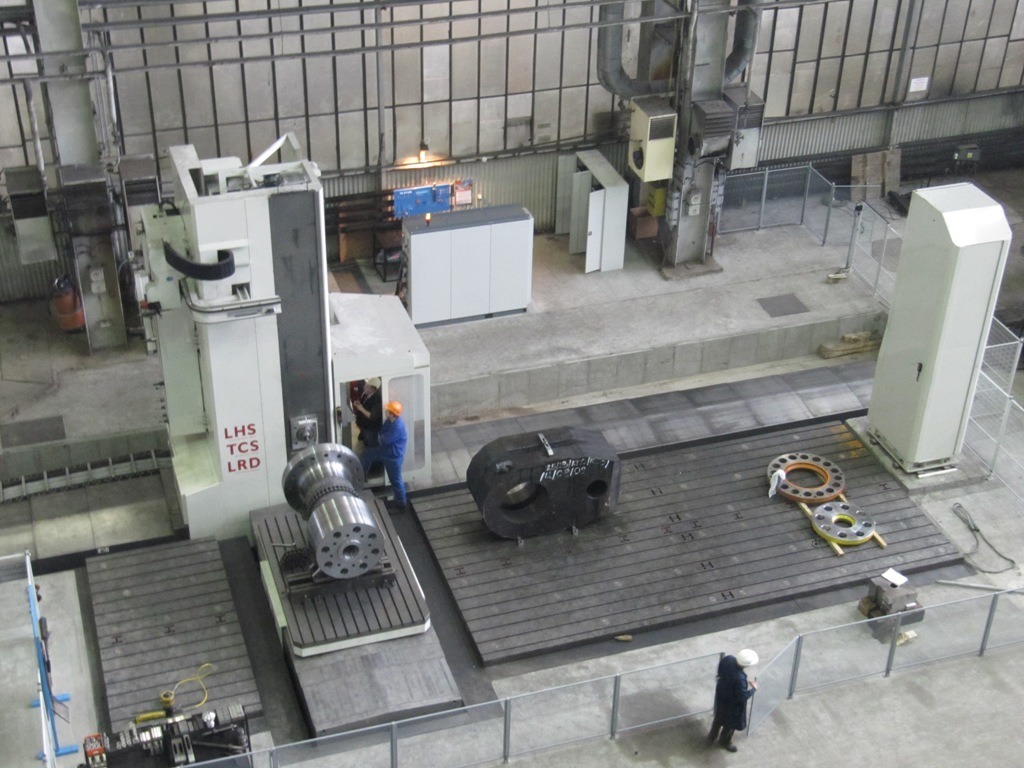
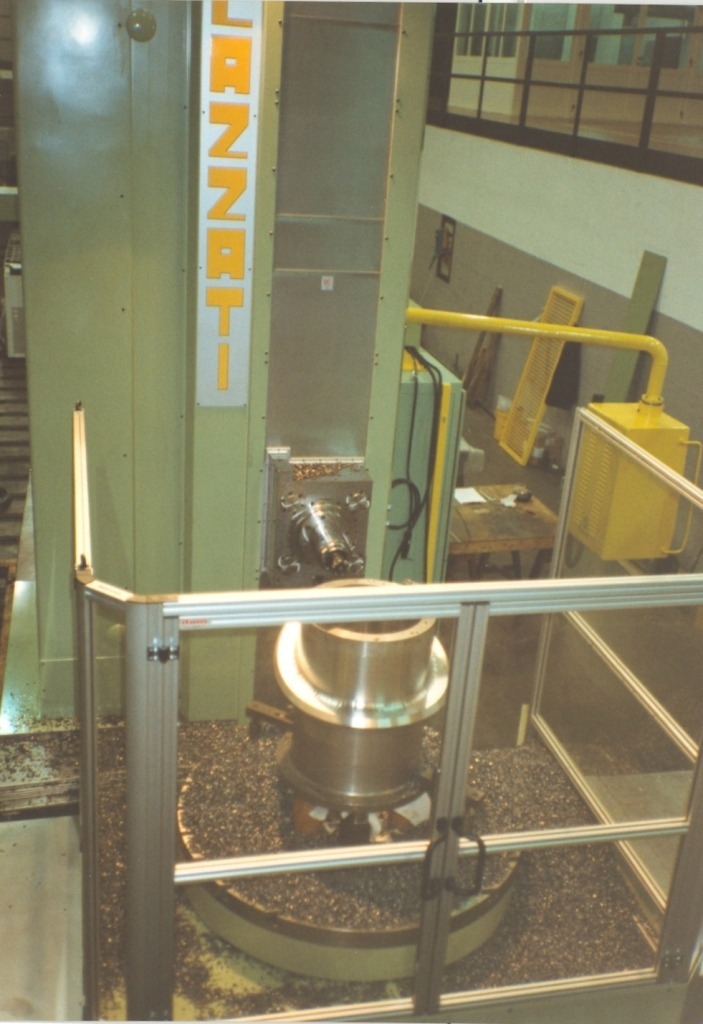
Large floor-type or T-type machine layouts

Z

Rigid column and ram designs for heavy cutting

Z

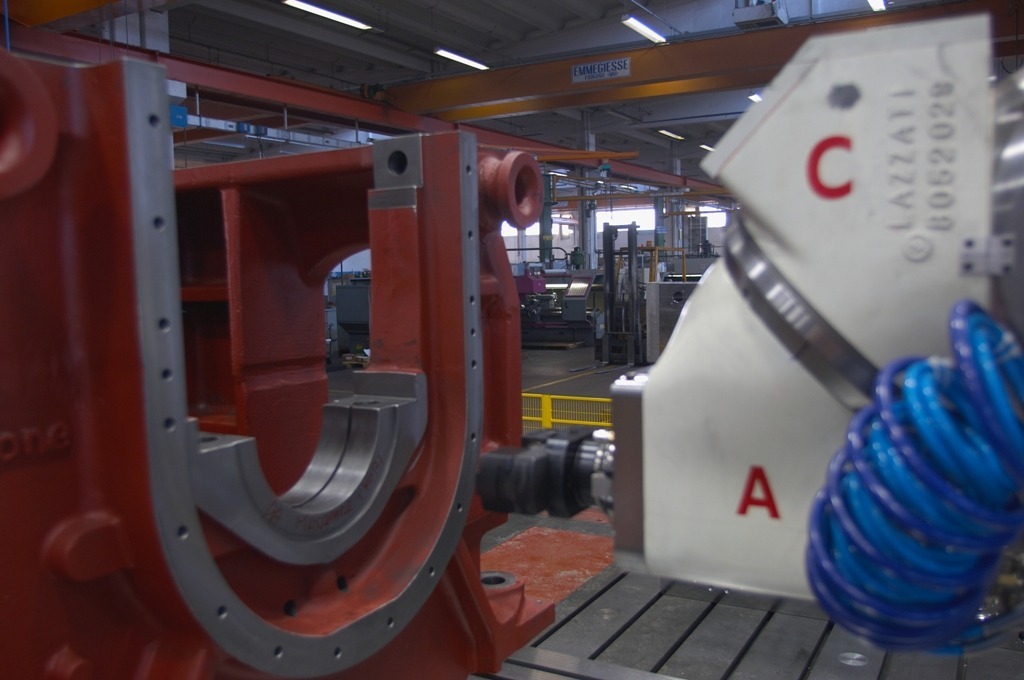
Compatibility with modular heads and rotary tables

Z

Integration of LAZZATECH systems for stability, control and diagnostics

Each configuration is defined according to component size, weight and application requirements.

Investment Grade Machinery for Energy Manufacturing

Energy-sector production environments demand equipment capable of maintaining performance, accuracy and reliability over long operational lifetimes.
LAZZATI machines are engineered as Investment Grade Machinery, designed to retain geometric stability, rigidity and machining consistency throughout their service life. This approach supports energy manufacturers in achieving stable production processes and predictable machining outcomes.

Market Perspective

Market research shows that reliability, advanced technology and comprehensive support are the three decisive factors in machine tool purchases. LAZZATI delivers all three for energy manufacturers requiring long-term accuracy, thermal stability and reliable machining performance.

FAQ

Chiusa
Which LAZZATI machine is best suited for energy sector component machining?
For energy sector applications, the primary LAZZATI configuration is the Floor-Type Ram Boring machine. This architecture is designed for large component handling, deep boring operations, and heavy-duty stability on parts such as turbine rotors, generator housings, large valve bodies, wind turbine shafts, and pump casings. Floor-Type machines are suited to components with Floor-Type capacity configurable based on table selection, supporting components weighing 100+ tons and beyond. The hydrostatic system supports rigidity under load and stable geometry over time. Floor-Type machines integrate LAZZATI hydrostatic technology as standard.
How does hydrostatic technology support heavy component machining in the energy sector?
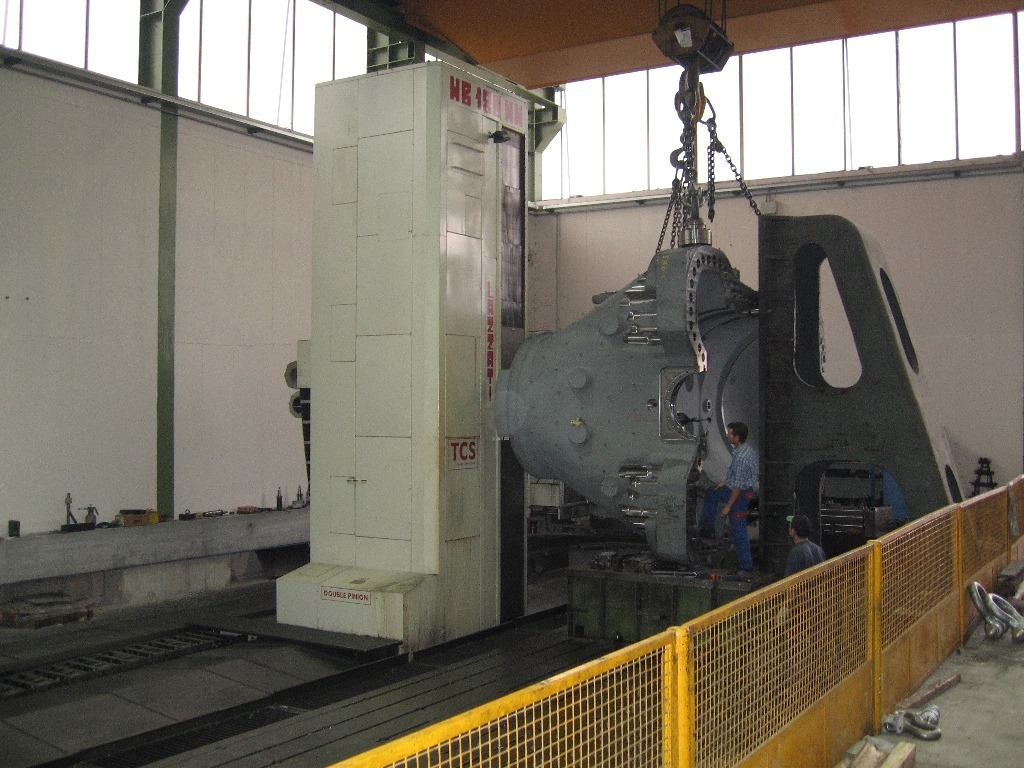
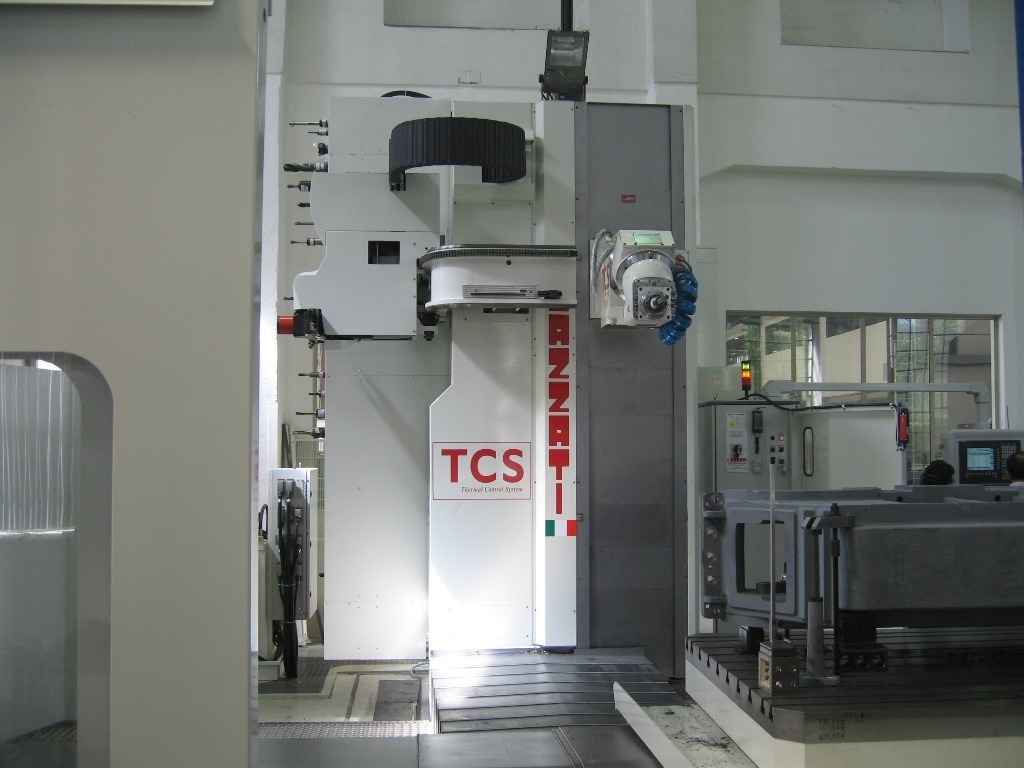
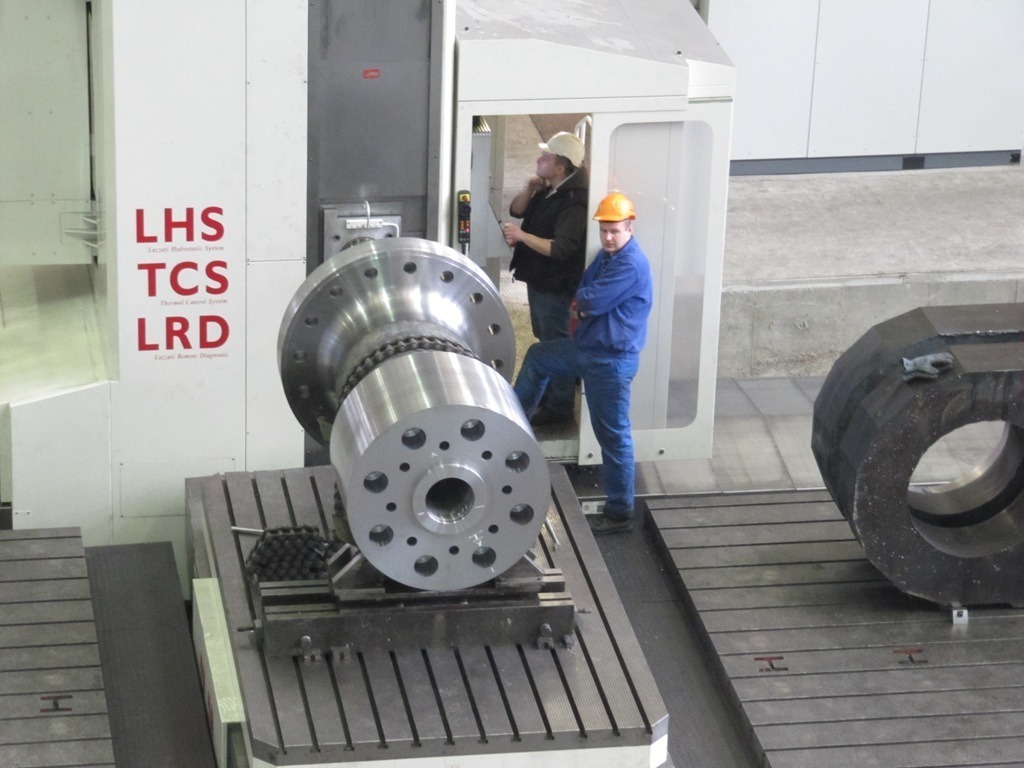
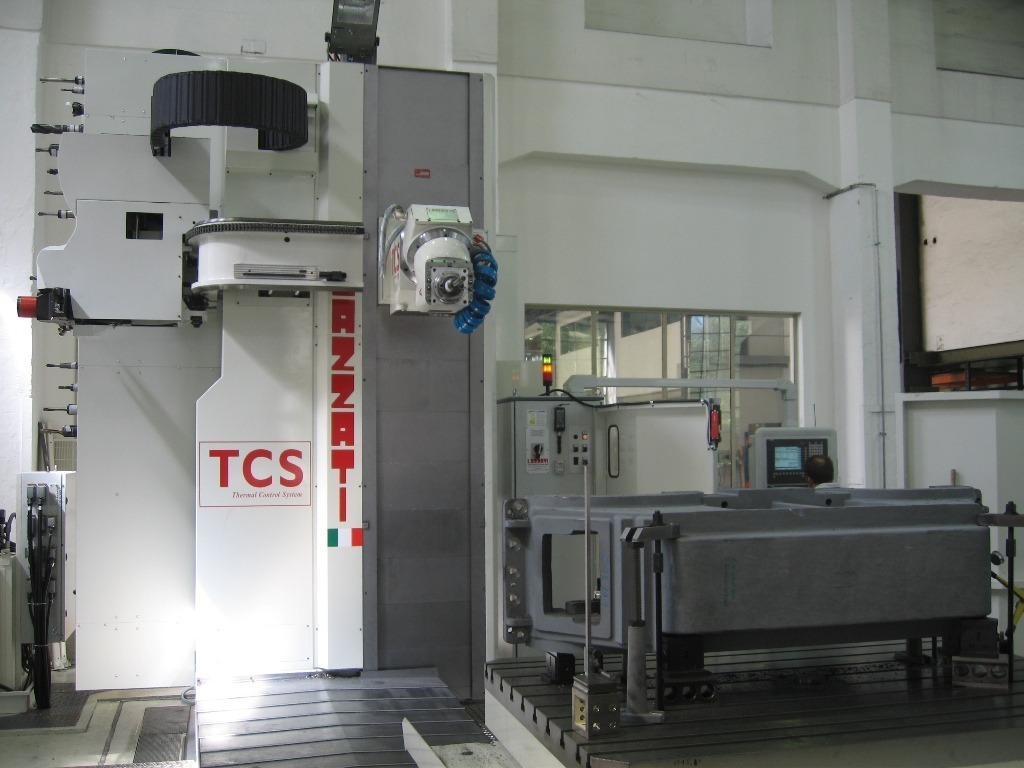
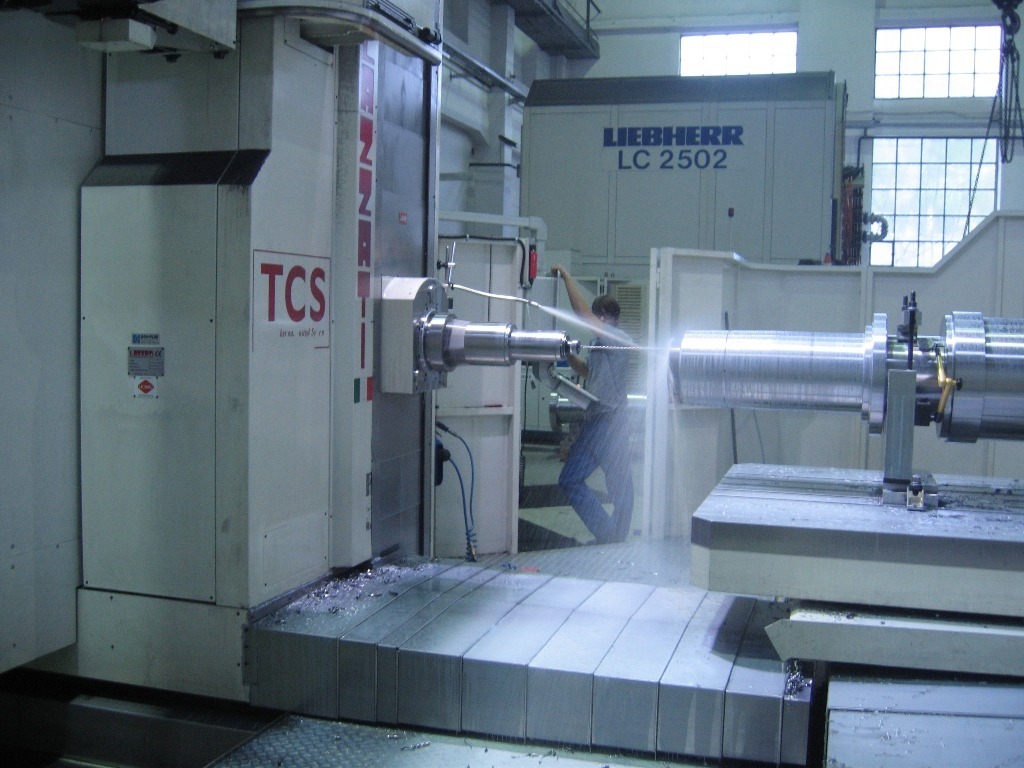
Energy components require stable machining conditions on large masses, extended boring depths, and long cycle times. LAZZATI hydrostatic technology supports zero-wear motion even under continuous heavy loads, helping preserve machine geometry over time. DCS compensates structural variations during deep boring operations, especially with ram extensions up to 1,500–2,000 mm. TCS supports thermal stability during multi-hour machining cycles on large steel or cast-iron components. This combination helps maintain stable geometry on components with Floor-Type capacity configurable based on table selection, supporting components weighing 100+ tons and beyond, and capable of handling components up to 40 meters and more in length.
Can LAZZATI Floor-Type machines handle deep boring for turbine shafts?
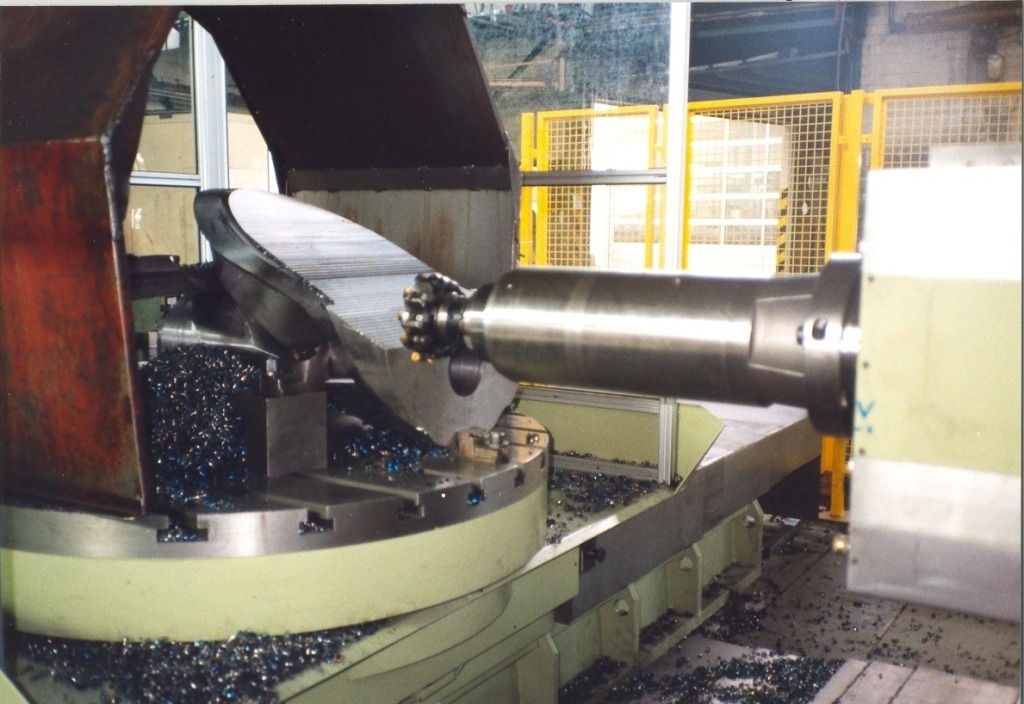
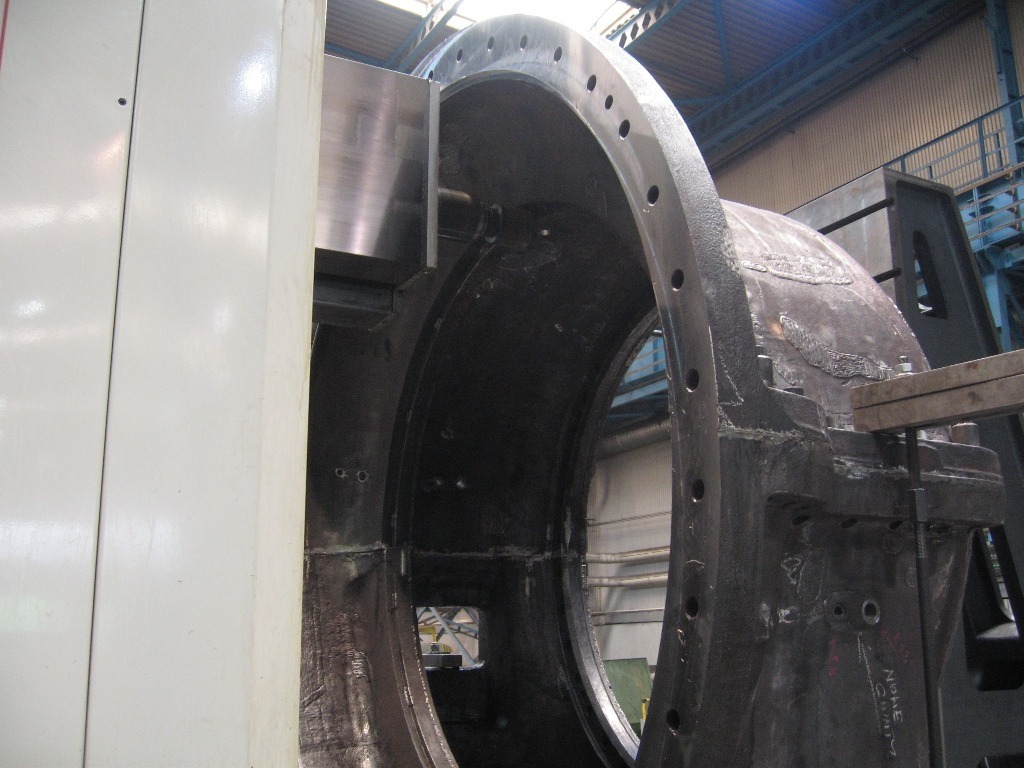
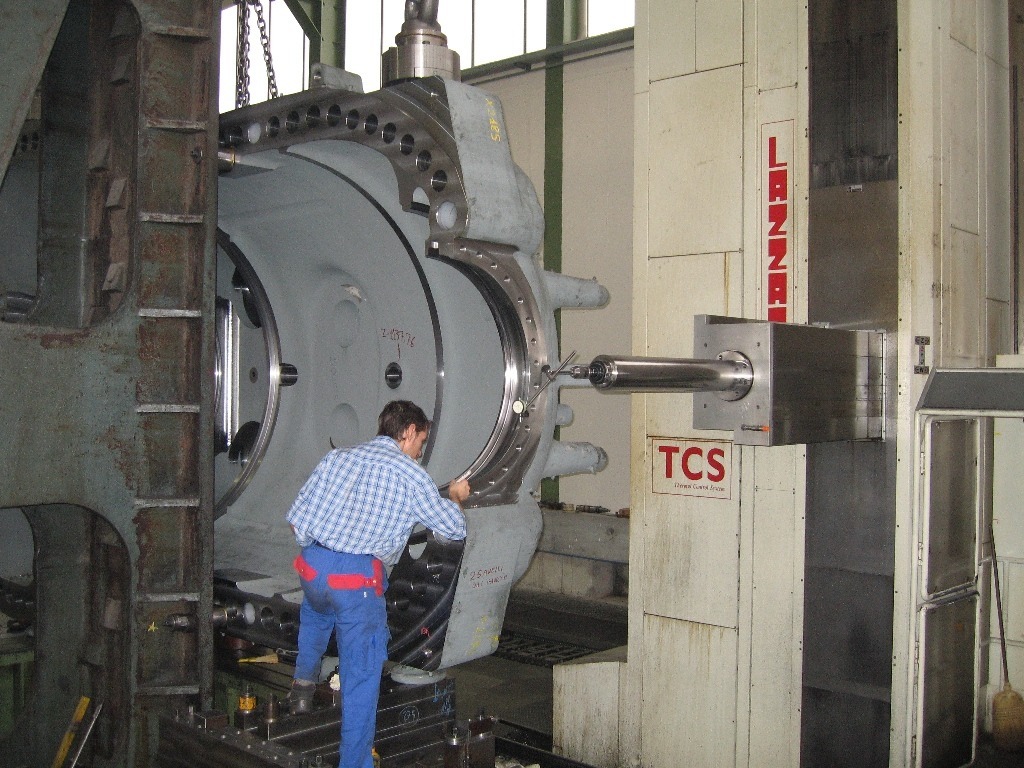
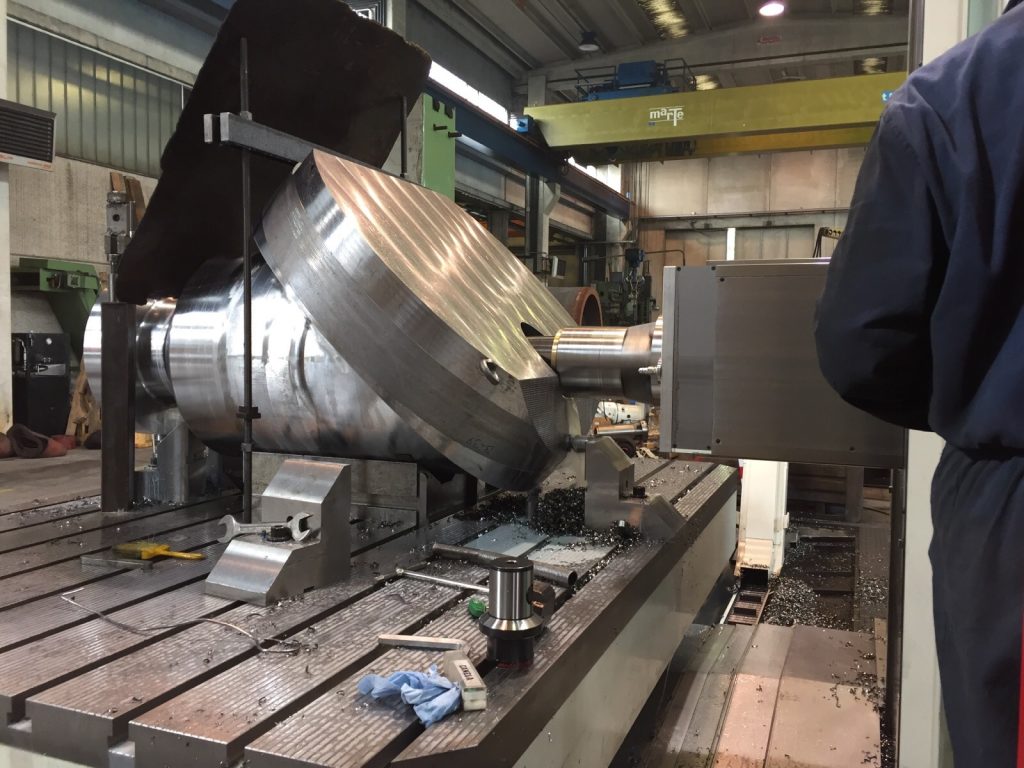
Yes. LAZZATI Floor-Type Ram Boring machines are designed for deep boring operations on large energy components such as turbine shafts, rotors, hydroelectric shafts, and compressor parts. Depending on model and configuration, deep boring depths can exceed 2,000 mm, with large boring diameters up to Ø2,000 mm+. During extended ram operations, DCS helps compensate structural deflection, while the hydrostatic architecture maintains rigidity along the working axes. This is critical for turbine and power generation components where precision must be maintained over long internal surfaces.
How does thermal stability affect machining of large energy components?
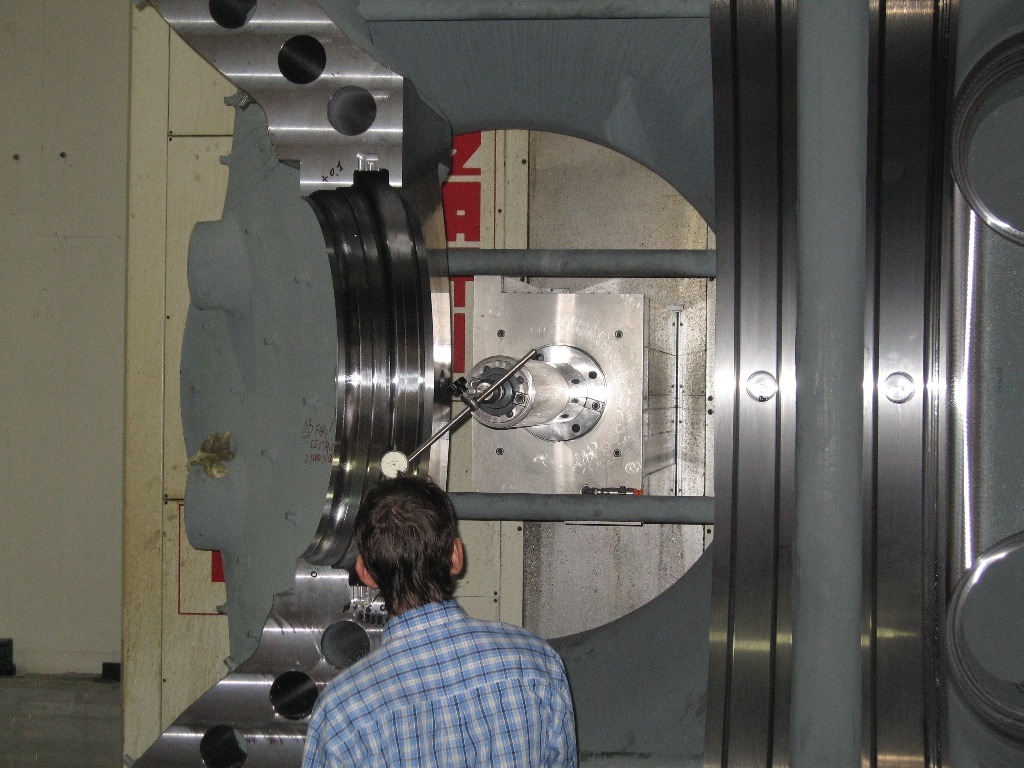
Large energy components retain and generate heat during long machining cycles, especially when working on forged steel, alloy steel, stainless steel, or cast-iron parts. TCS supports thermal stability by controlling temperature-related variations during extended operations. This helps maintain dimensional consistency on components such as generator housings, valve bodies, pump casings, and turbine structures. In energy applications, tolerances are often in the ±0.01 mm range, but they must be maintained across large diameters, long bores, and heavy masses.
What energy components are typically machined on LAZZATI machines?
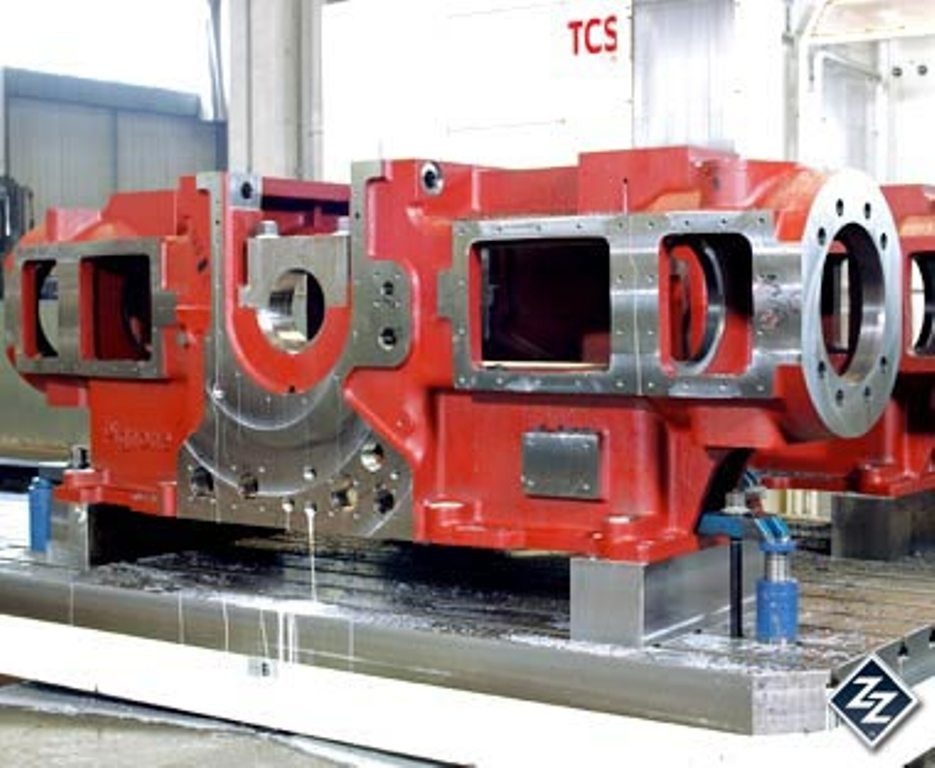
LAZZATI machines are used for large-scale energy components such as gas turbine rotors and shafts, steam turbine parts, hydroelectric turbine runners, generator housings, stators, large valve bodies, compressor casings, wind turbine main shafts, hubs, and heavy-duty pump components. Floor-Type Ram Boring is generally the preferred configuration when deep boring, high load capacity, and long-axis stability are required. Floor-Type Ram Milling can also support finishing operations and complex external machining. The final configuration depends on weight, diameter, material, and required boring depth.
What component size and weight can LAZZATI Floor-Type machines handle?
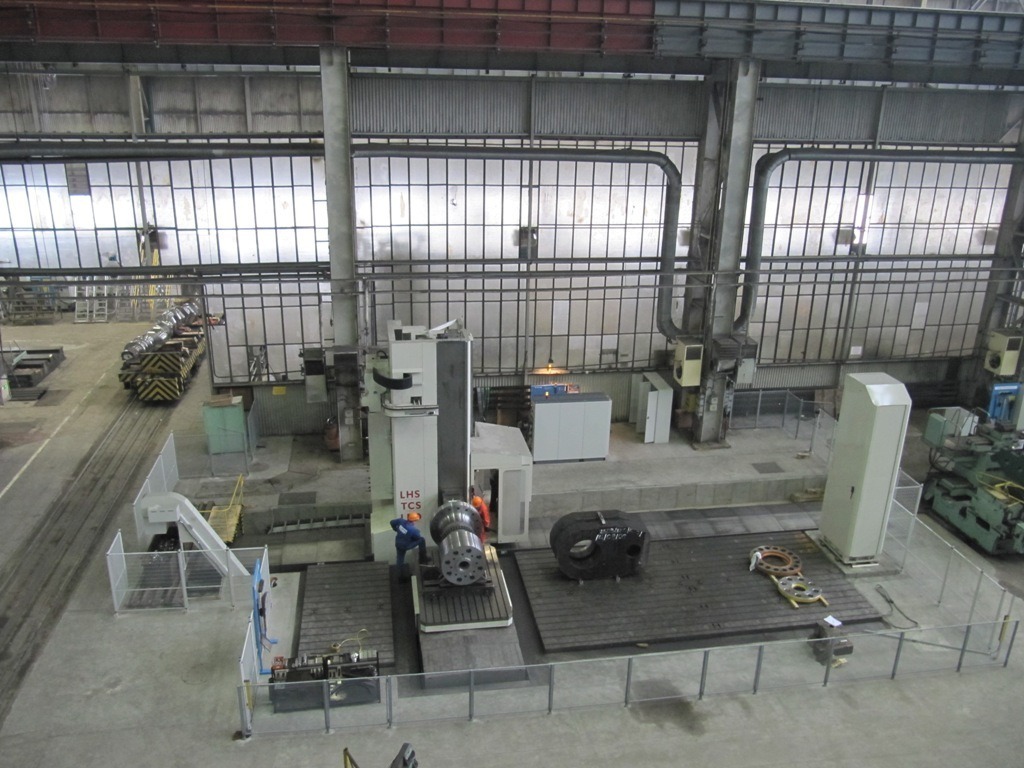
LAZZATI Floor-Type machines are designed for large and heavy components commonly found in energy production and power generation. Depending on model and configuration, they can manage components with Floor-Type capacity configurable based on table selection, supporting components weighing 100+ tons and beyond. Depending on model and configuration, Floor-Type machines can handle components up to 40 meters and more in length. These capabilities are relevant for turbine rotors, generator housings, wind turbine hubs, and heavy valve bodies. Engineered to last. Built to perform.

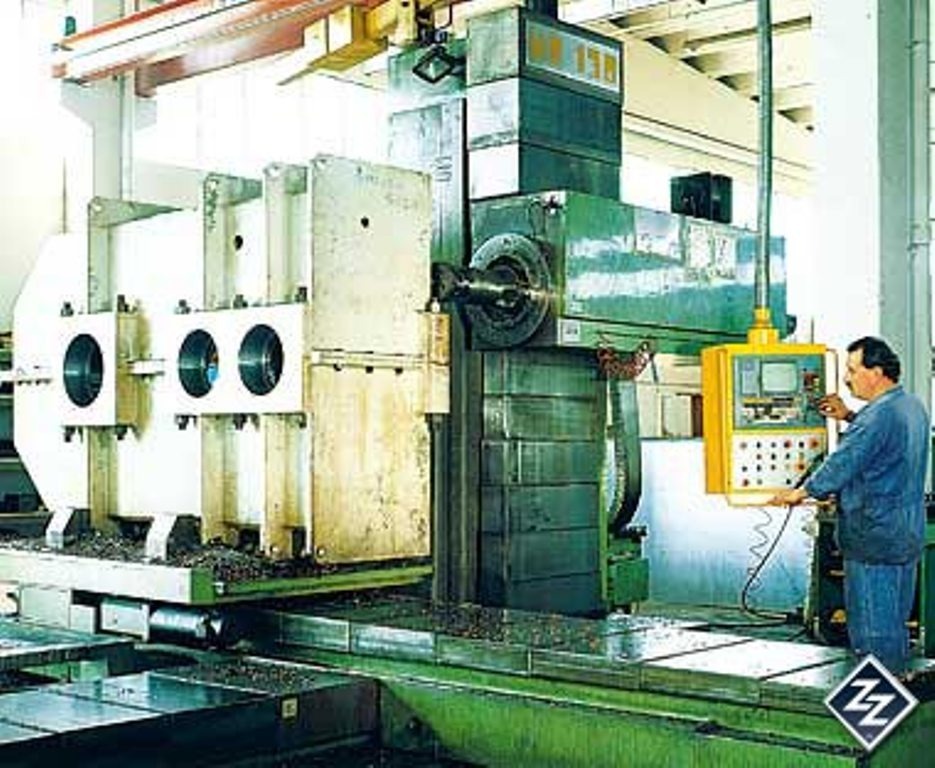
LAZZATI hydrostatic boring and milling machines are widely used in energy applications where rigidity, thermal stability and long-term accuracy are essential. Manufacturers in the energy sector machine large turbine housings, rotors, casings and power-generation components that require consistent geometry over extended machining cycles. Hydrostatic guideway technology provides constant axis support, eliminating mechanical wear and ensuring stable positioning behaviour under heavy loads and variable thermal conditions.
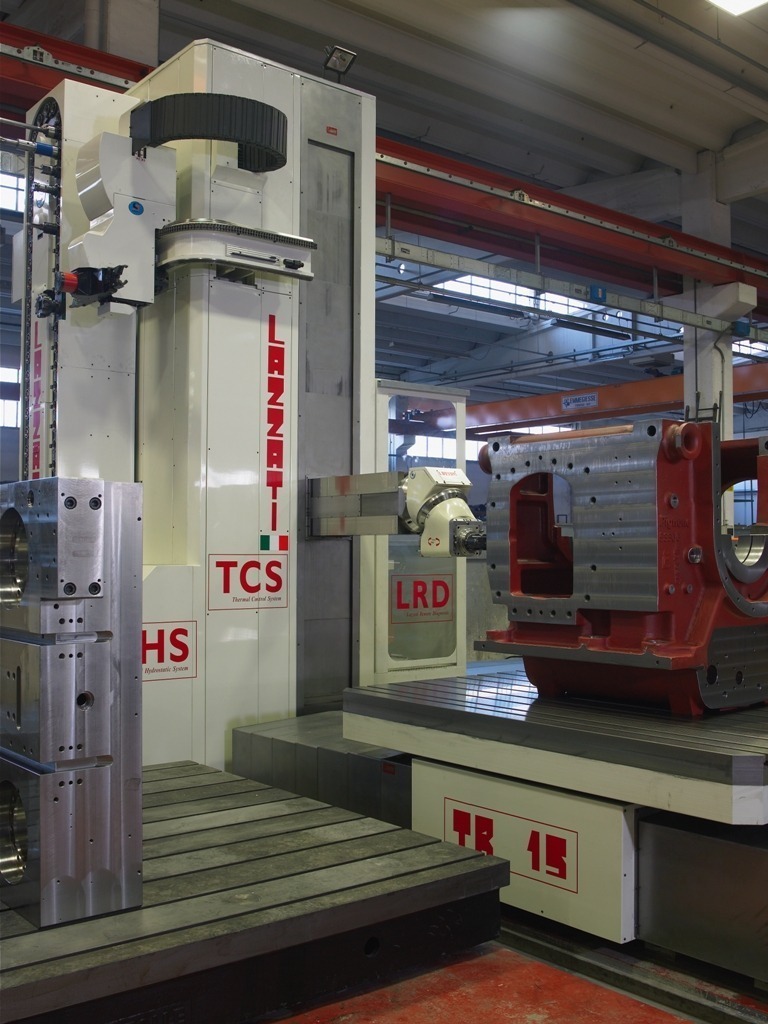
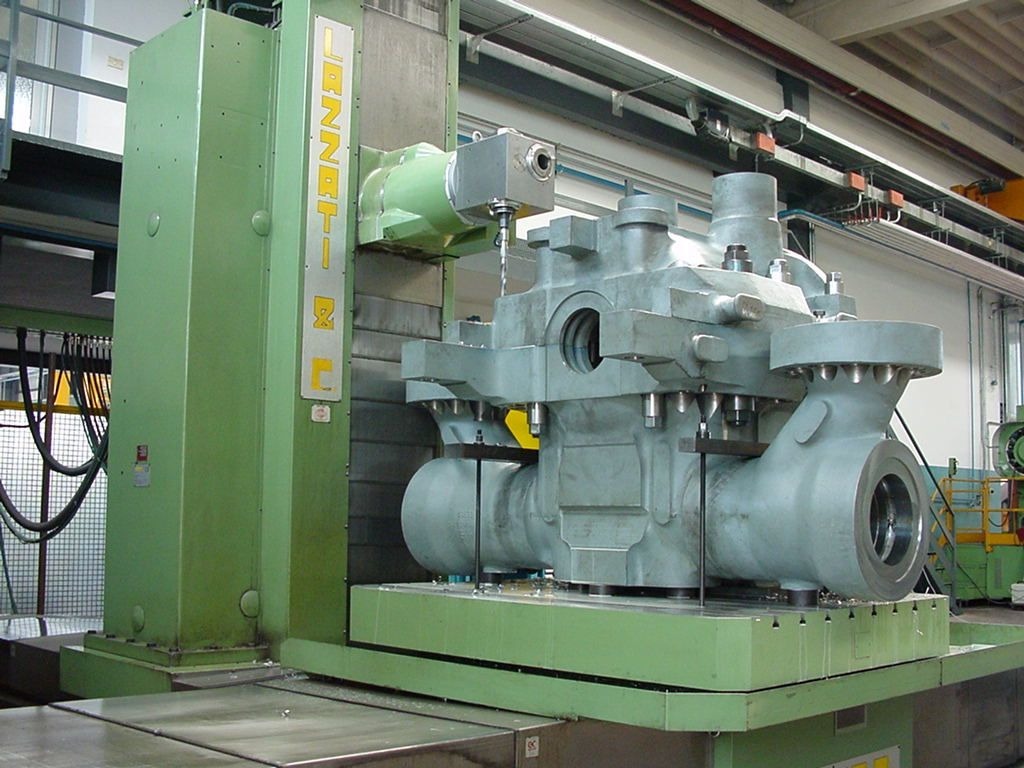
Combined with rigid machine structures and large working envelopes, LAZZATI Evo4.0 machines enable predictable and repeatable machining of complex energy components. Typical configurations include floor-type and T-type machines designed to support heavy masses and demanding cutting conditions. Integrated LAZZATECH systems enhance stability, control and diagnostics throughout the machining process.
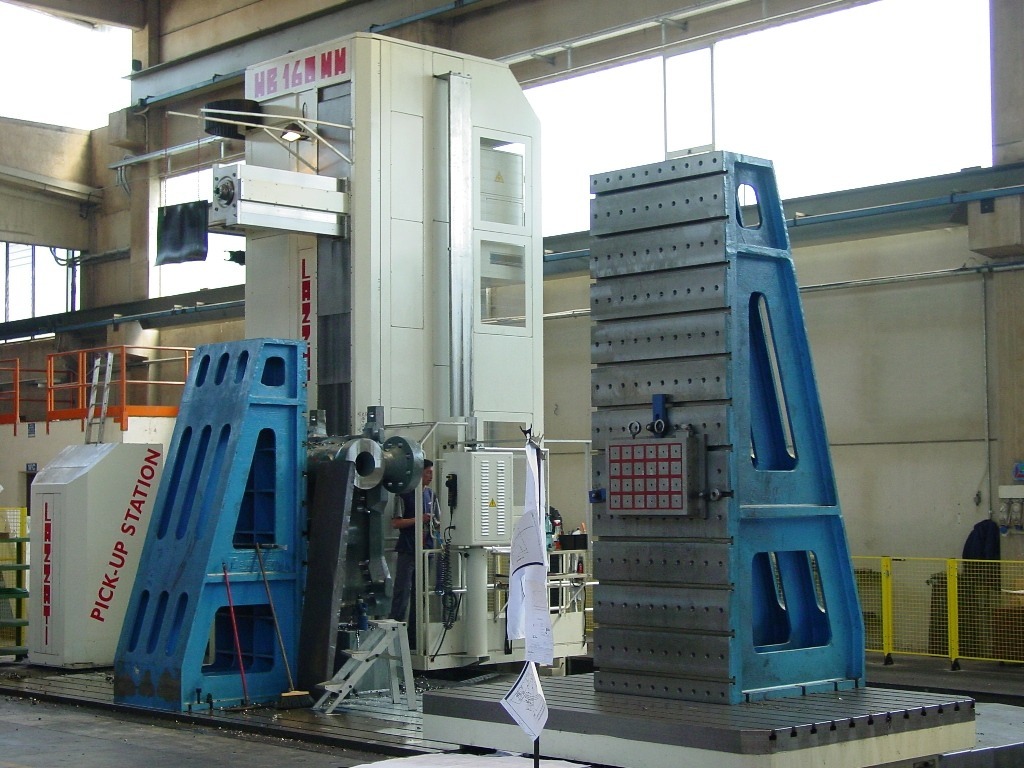
Designed as Investment Grade Machinery, LAZZATI solutions retain accuracy and performance across demanding energy production environments. The Hydrostatic Boring Mill. We BOOST Your Profits.