






Aerospace Applications
Machining Requirements in the Aerospace Industry
Aerospace manufacturing involves large structural components, complex geometries and extended machining cycles where accuracy must be preserved over long strokes and prolonged operating times.
Typical aerospace applications require stable geometry, controlled thermal behaviour and consistent cutting conditions when machining aluminium alloys, steel structures and high-performance materials.
In this context, machine architecture plays a critical role in ensuring repeatability and process reliability throughout the entire machining cycle.
Service plays a strategic role in every LAZZATI installation. It is designed to protect long-term accuracy, ensure operational continuity and support the machine throughout its entire lifecycle. Through maintenance programs, original spare parts, digital tools and application engineering, LAZZATI Service provides a structured and reliable framework that keeps each machine performing at its intended level. The goal is clear: preserve the value of the customer’s investment and maintain stability over time, even under demanding production conditions.
Why Hydrostatic Technology for Aerospace Machining
LAZZATI Evo4.0 machines are based on full hydrostatic guideways, designed to maintain geometric accuracy independently from load variations and operating time.
The hydrostatic architecture eliminates mechanical contact on the axes, reducing friction-related wear and ensuring constant positioning behaviour over long travels. This approach is particularly suitable for aerospace components that require precise alignment, stable reference surfaces and consistent machining quality across large dimensions.
Combined with rigid mechanical structures and controlled thermal behaviour, hydrostatic technology supports aerospace manufacturers in achieving predictable and repeatable machining results.
Typical Aerospace Components
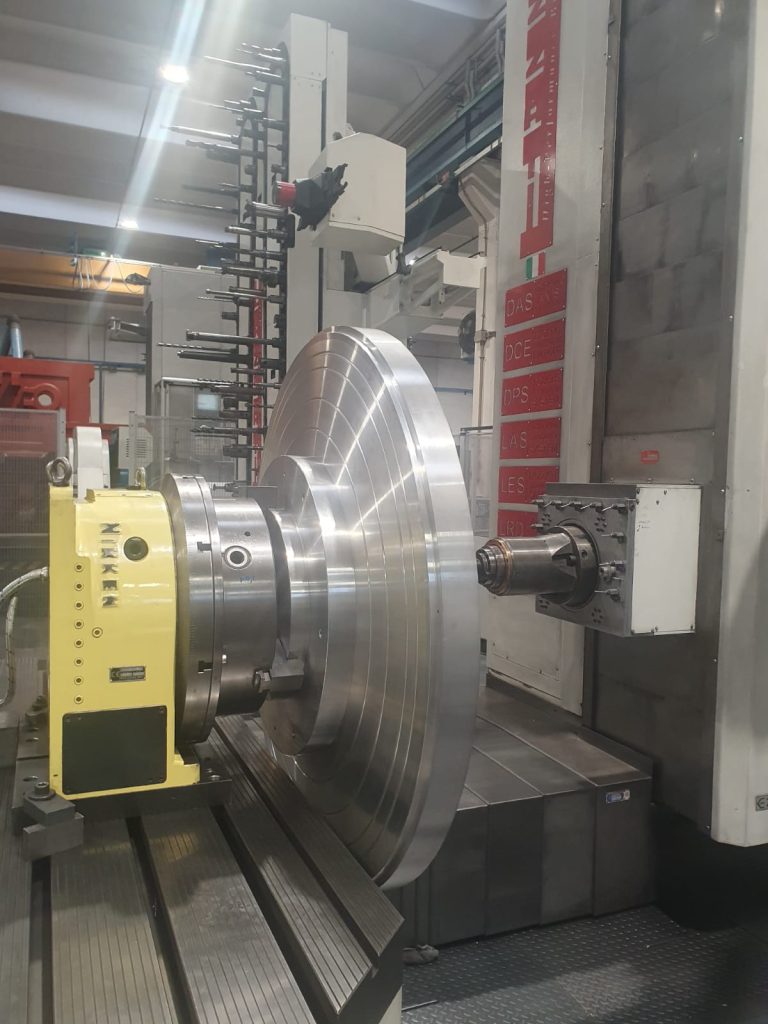
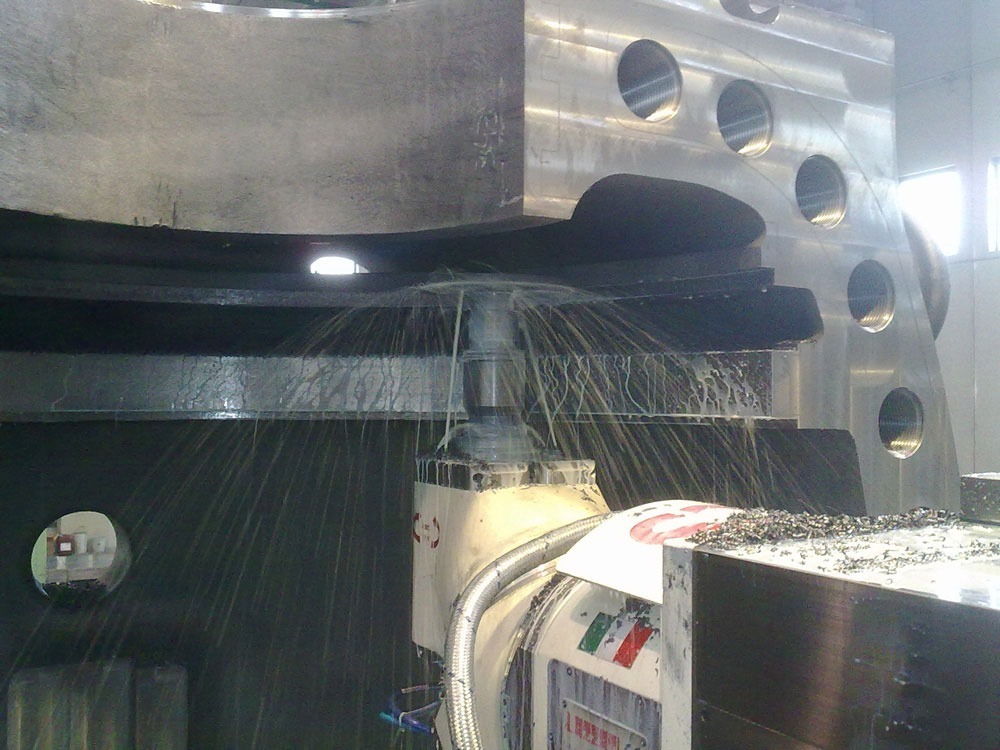
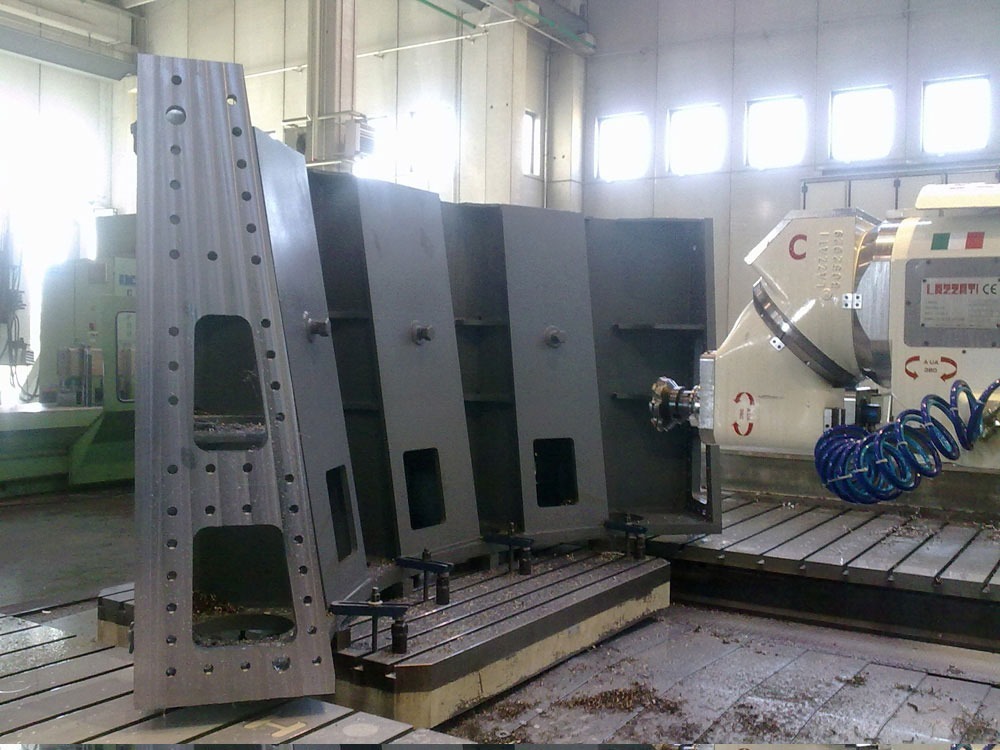
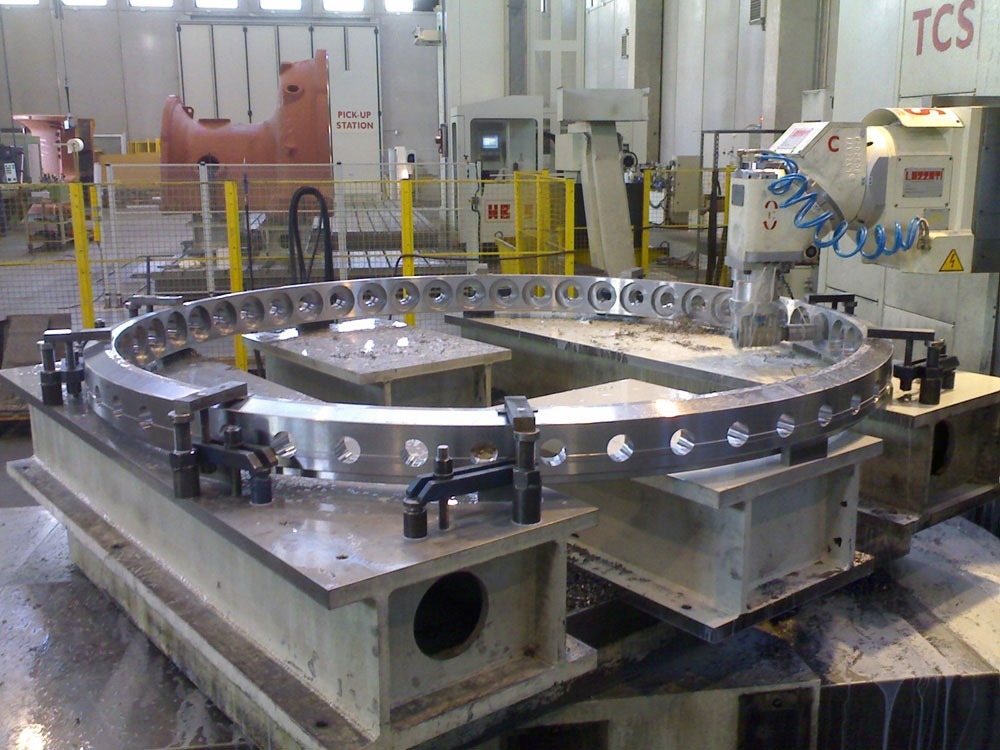
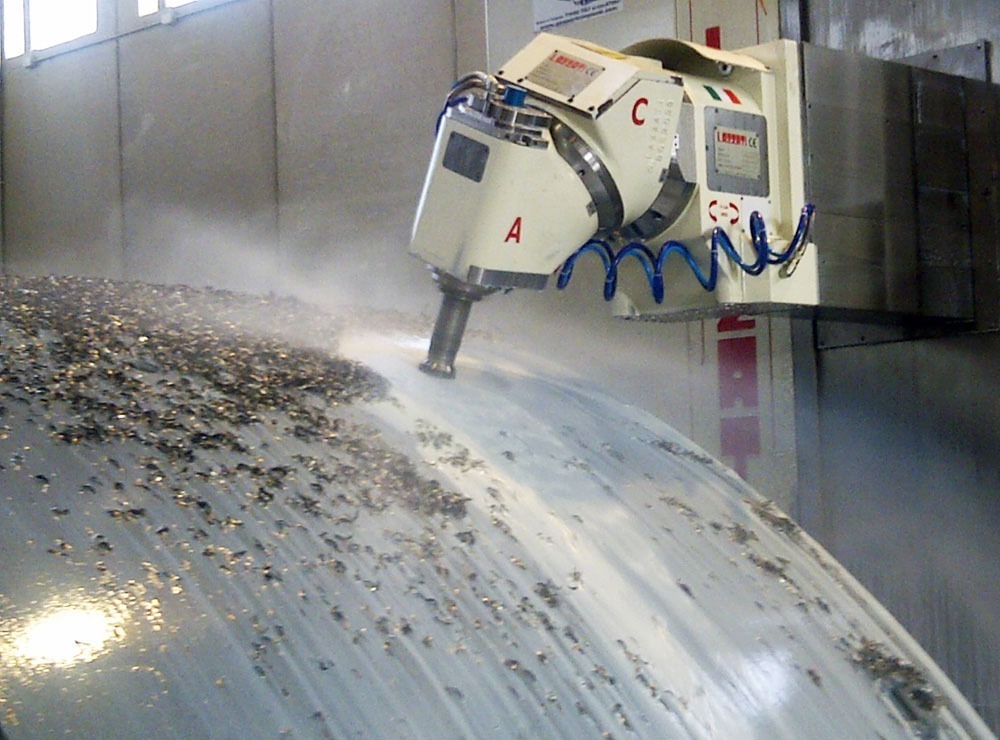
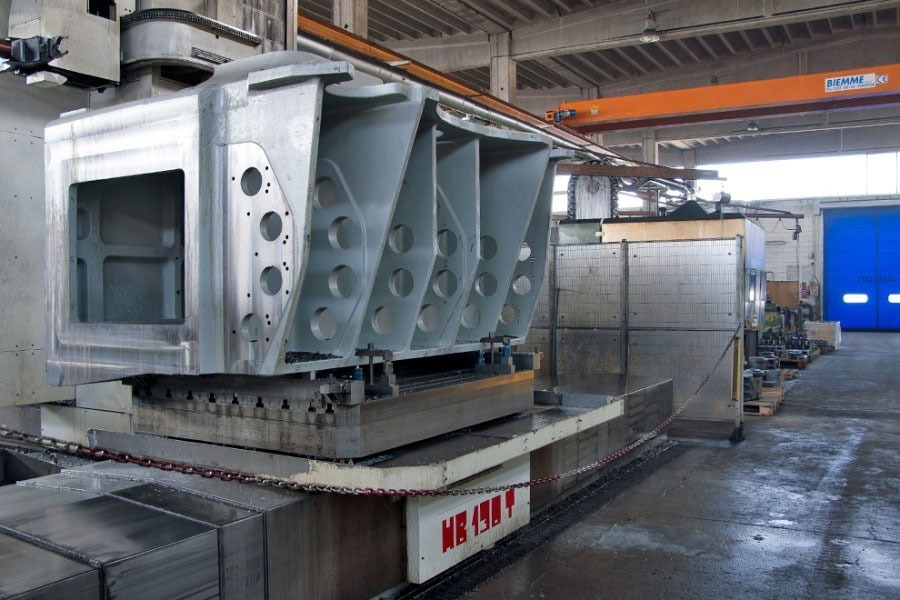
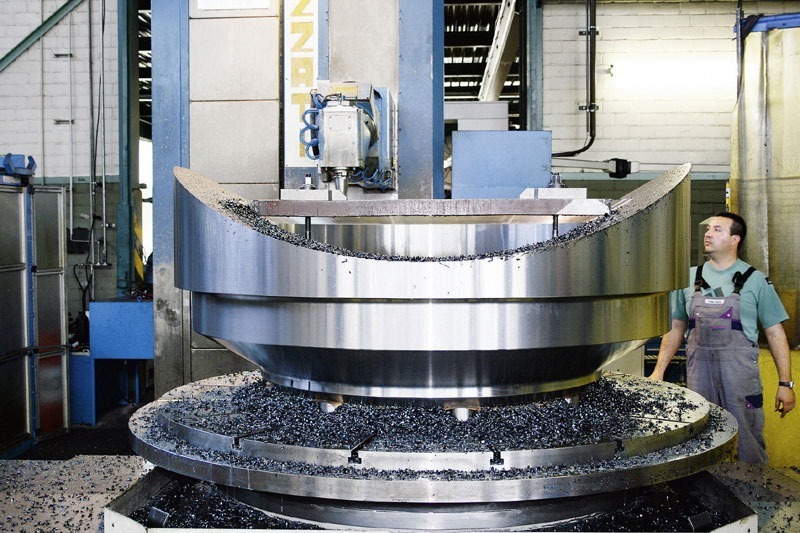
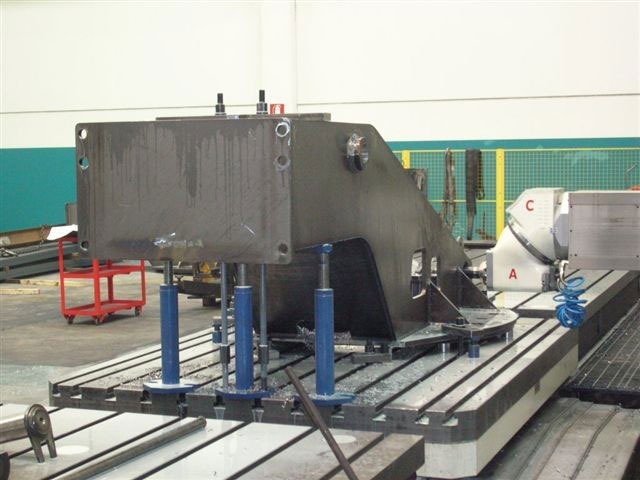
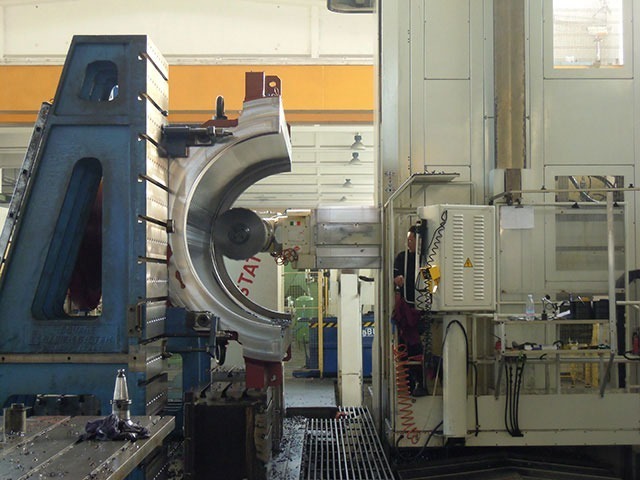
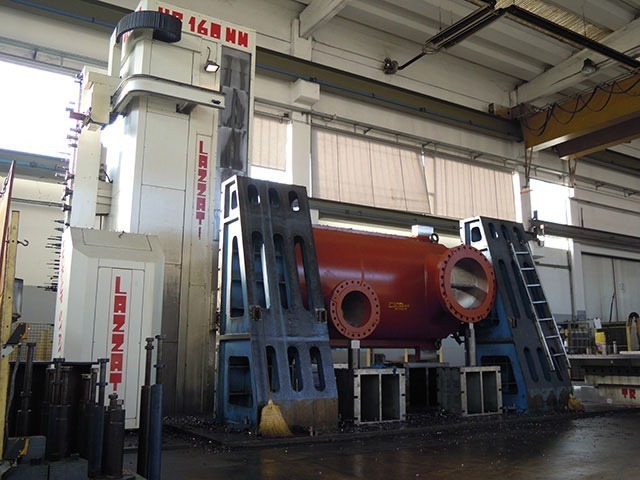
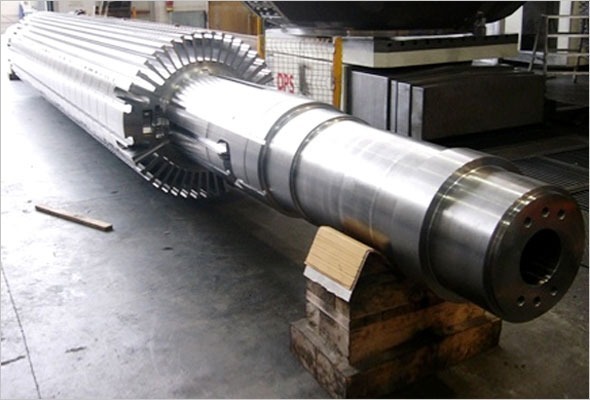
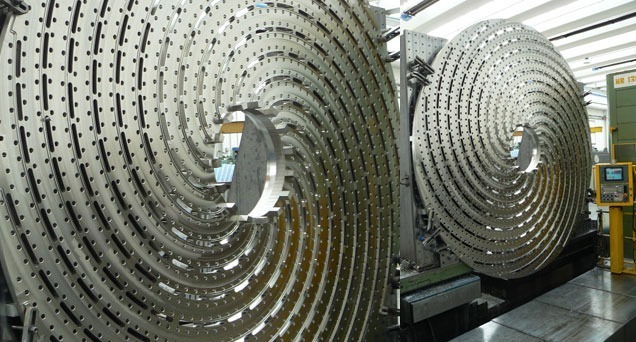
LAZZATI hydrostatic boring and milling machines are used for machining a wide range of aerospace-related components, including:
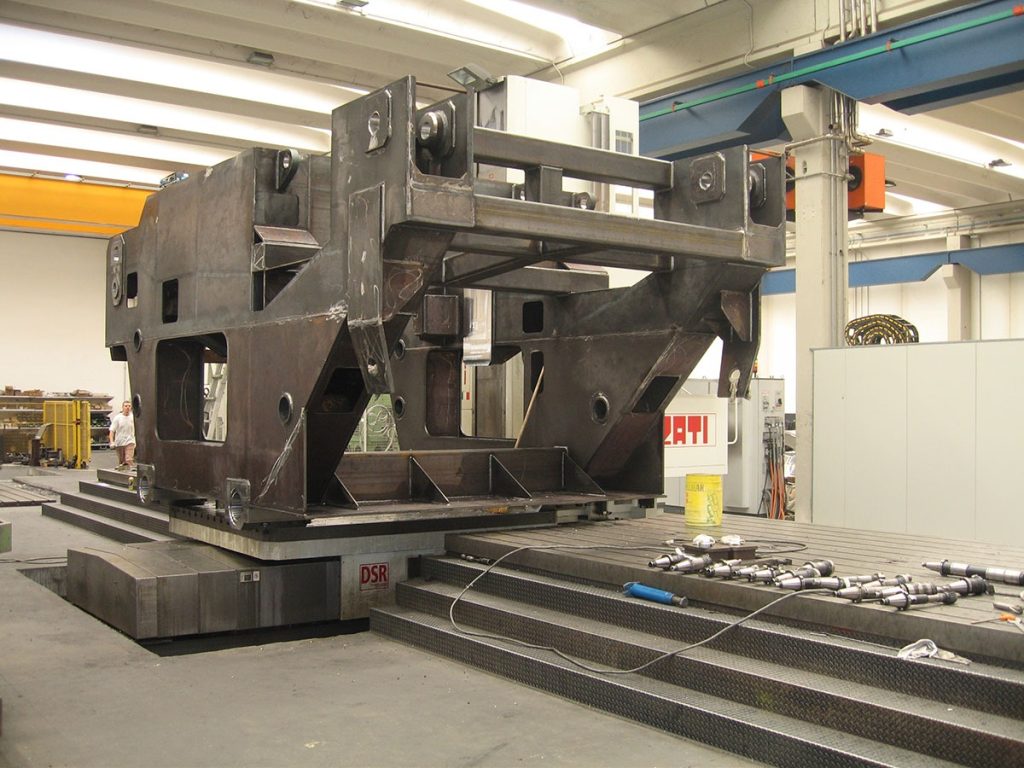
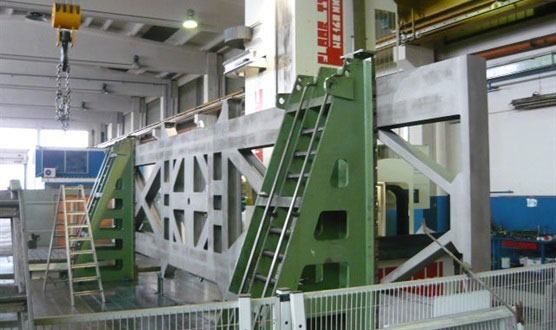
Structural frames and housings
Large fixtures and tooling structures
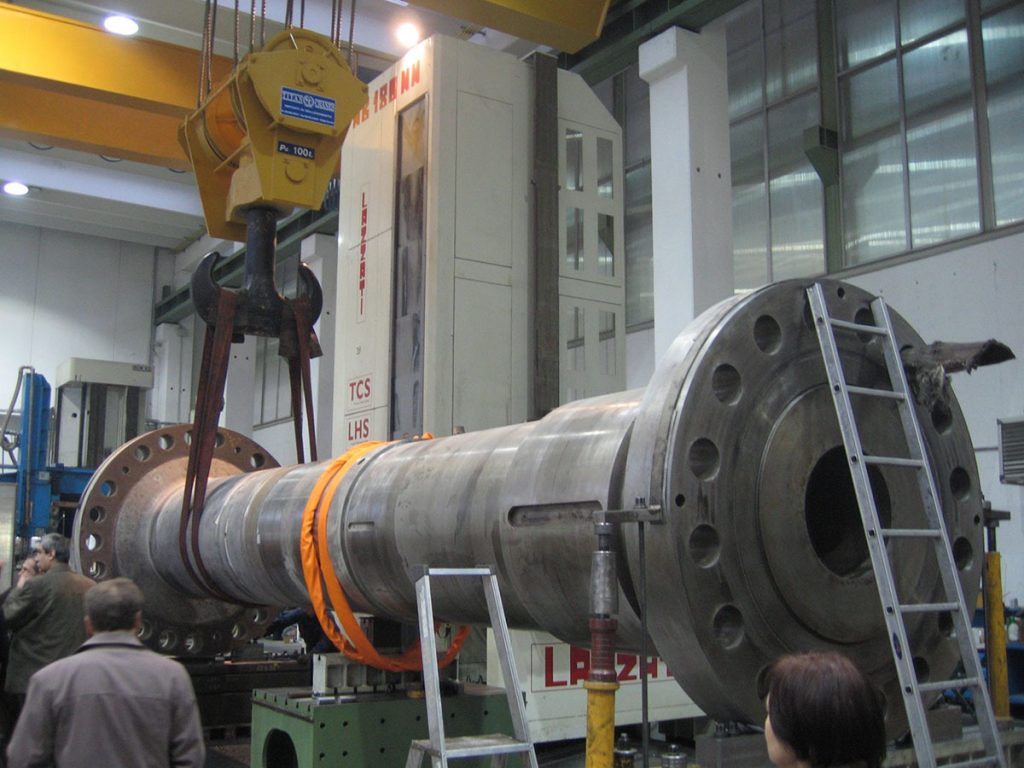
Landing-gear components
Aerospace manufacturing jigs and reference bases
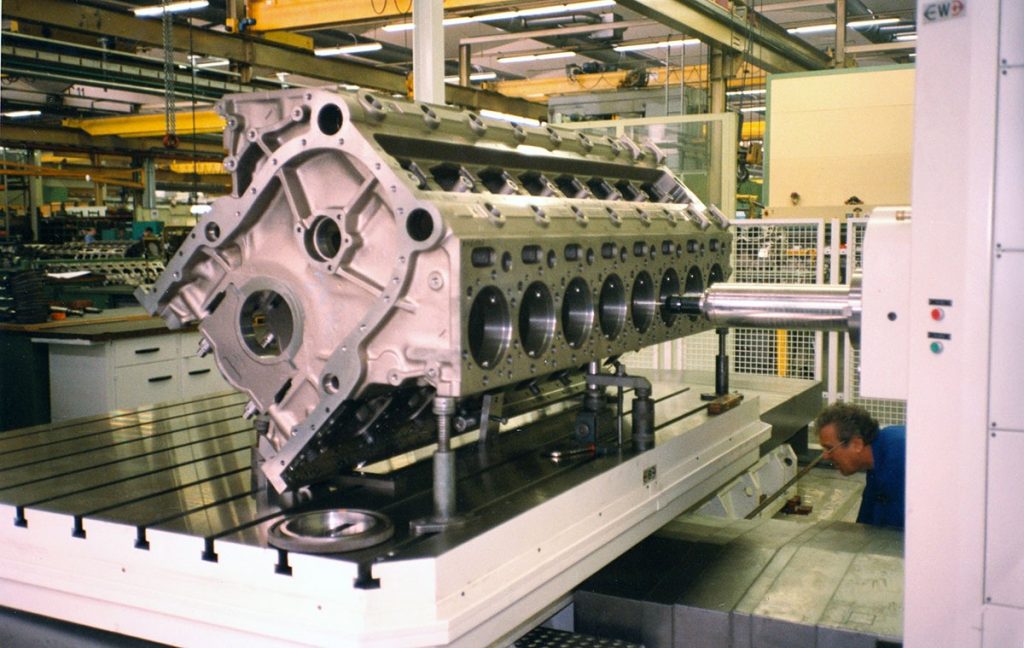
These components often require deep machining, accurate positioning over extended strokes and stable performance during long machining cycles.
Recommended Machine Configurations
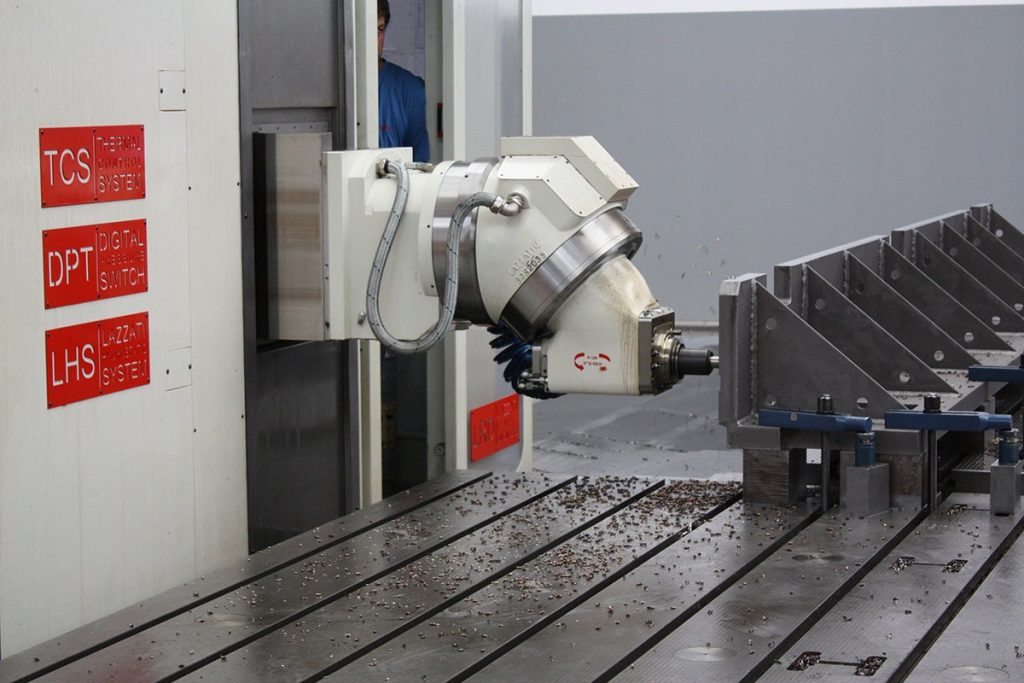
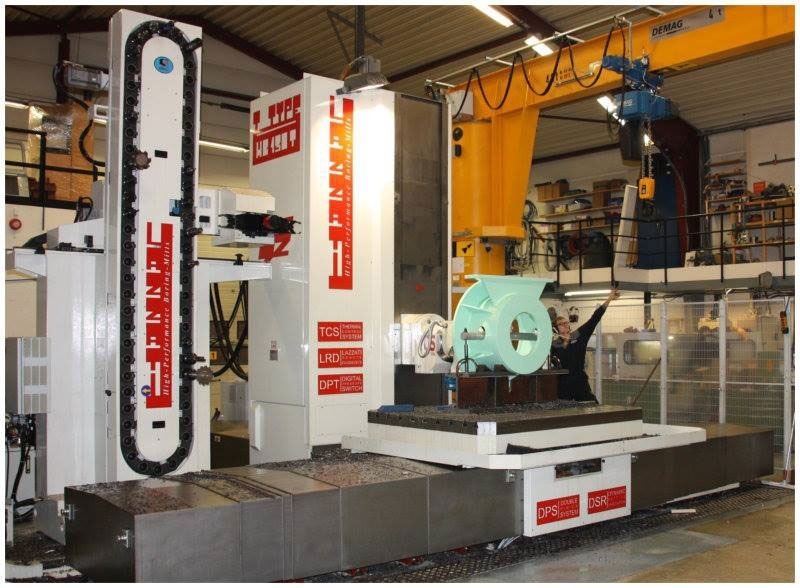
For aerospace applications, LAZZATI machines can be configured to support long-travel operations, high structural rigidity and precise axis control, depending on component size and production requirements.
Recommended configurations typically include:
Evo4.0 hydrostatic architecture
Large working envelopes for structural components
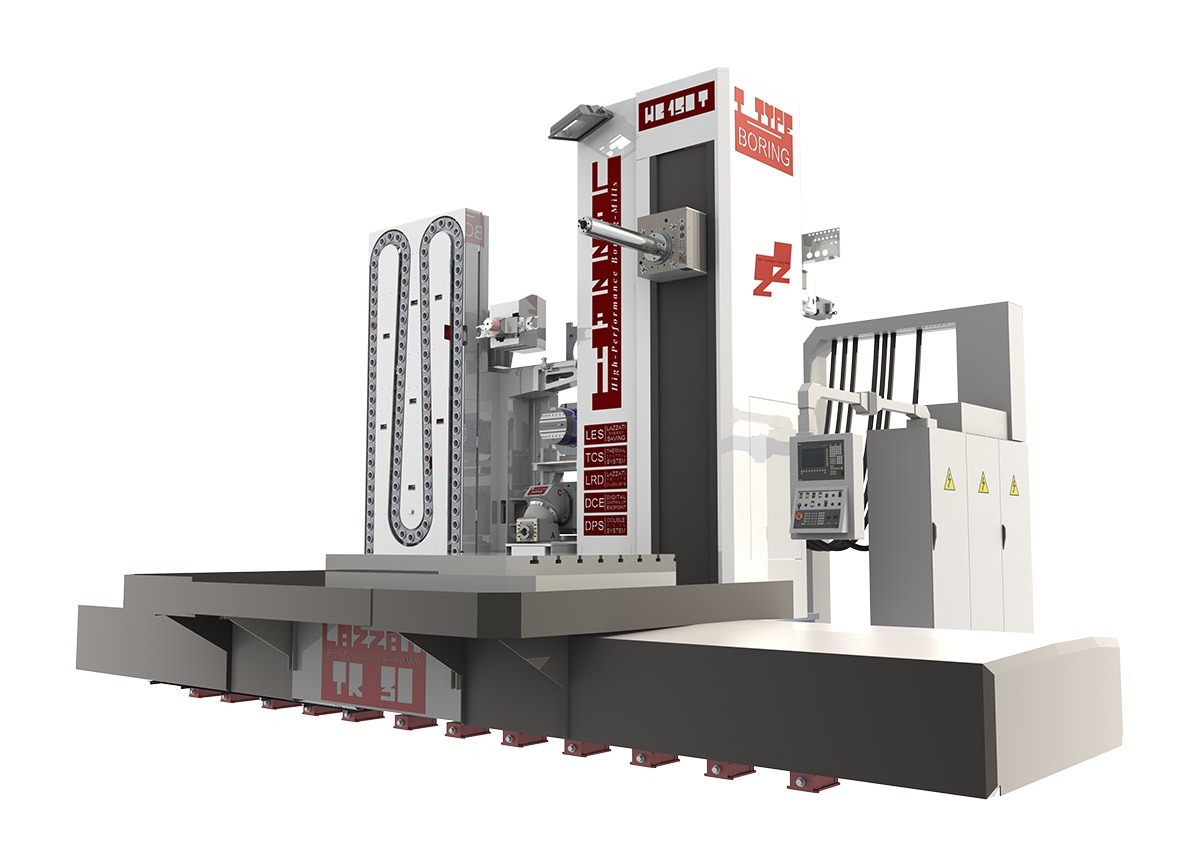
Rigid ram and column designs
Compatibility with modular heads and accessories
Integration of LAZZATECH systems for stability, control and diagnostics
Investment Grade Machinery for Aerospace Manufacturing
Aerospace production environments require equipment capable of maintaining performance over time, across variable workloads and long operating cycles.
LAZZATI machines are engineered as Investment Grade Machinery, designed to retain accuracy, rigidity and reliability throughout their operational life. This approach supports aerospace manufacturers in achieving stable production processes and predictable machining outcomes.
Market Perspective
Market research shows that reliability, advanced technology and comprehensive support are the three decisive factors in machine tool purchases. LAZZATI addresses all three for aerospace manufacturers requiring consistent accuracy and long-term production stability
FAQ
Chiusa
Which LAZZATI machine is best suited for aerospace component machining?
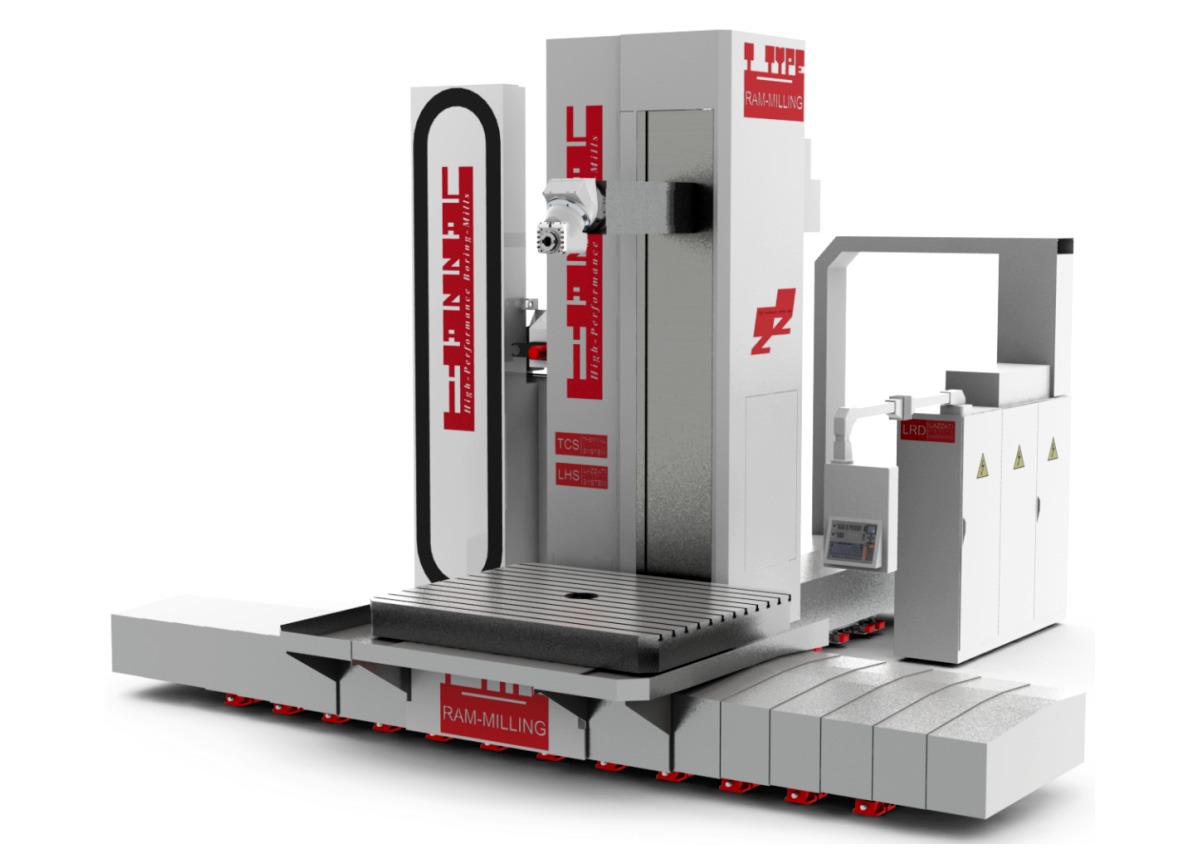
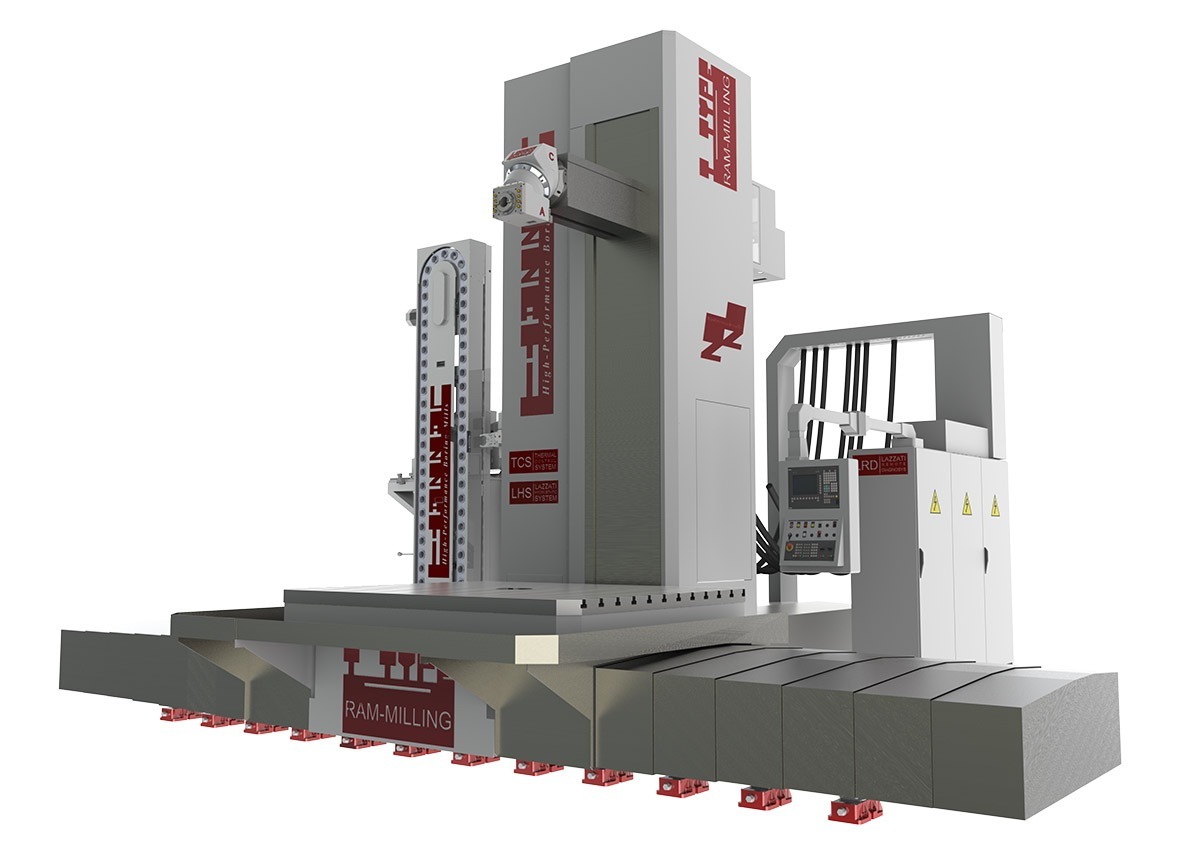
For aerospace applications, the primary LAZZATI configurations are T-Type Milling and T-Type Ram Milling. These machines support 5-axis machining, universal head integration, and multi-face operations, reducing the need for repeated workpiece repositioning. They are suitable for components such as landing gear assemblies, structural frames, engine mounts, actuator housings, and precision brackets. The hydrostatic architecture supports repeatability across production batches, an essential requirement for aerospace quality control. Both configurations integrate LAZZATI hydrostatic technology as standard.
How does hydrostatic technology support aerospace machining requirements?
Aerospace machining requires repeatability, thermal stability, and long-term accuracy, especially on titanium alloys, Inconel, and aerospace-grade aluminium. LAZZATI LHS supports zero-wear motion, maintaining positioning accuracy of ±0.001 mm throughout machine life. TCS helps stabilize thermal behavior during long machining cycles, while DCS compensates structural variations on extended axes and complex geometries. This combination supports tight tolerance work, typically around ±0.01 mm and down to ±0.005 mm in critical areas. Precision, rigidity and reliability are delivered through hydrostatic technology engineered for long-term performance.
Can LAZZATI machines machine titanium, Inconel and aerospace-grade aluminium?
Yes. LAZZATI machines are suitable for machining demanding aerospace materials such as Ti-6Al-4V titanium alloys, Inconel, 7075-T6 aluminium, 2024-T3 aluminium, and aerospace-grade stainless steels. These materials require stable cutting conditions, controlled thermal behavior, and consistent structural rigidity. T-Type Milling and Ram Milling configurations support these requirements through hydrostatic guidance, thermal control, and rigid universal head configurations. This is particularly relevant for landing gear parts, turbine-related components, actuator housings, and structural aerospace elements.
Chiusa
How does 5-axis machining improve aerospace component production?
5-axis machining allows aerospace components to be machined on multiple faces with fewer setups. On LAZZATI T-Type Milling and T-Type Ram Milling machines, the universal head supports complex angular positioning for structural parts, brackets, housings, and frame elements. Reducing repositioning improves process consistency and helps maintain geometric relationships across critical surfaces. This is important for components requiring tight tolerances and repeatability across production batches. It also supports more efficient machining of complex aerospace geometries.
How do LHI 5.0 and LIA 1.0 support aerospace process traceability?
LHI 5.0 and LIA 1.0 support aerospace manufacturing by giving operators structured access to machine data, process status, and diagnostic information. In aerospace production, traceability is essential for quality systems such as AS9100-oriented workflows. These systems help monitor machine behavior and support documented process control during critical machining operations. These systems provide a digital framework that supports documented process control and machine condition monitoring aligned with quality management requirements.
Chiusa
What aerospace components are typically machined on LAZZATI boring and milling machines?
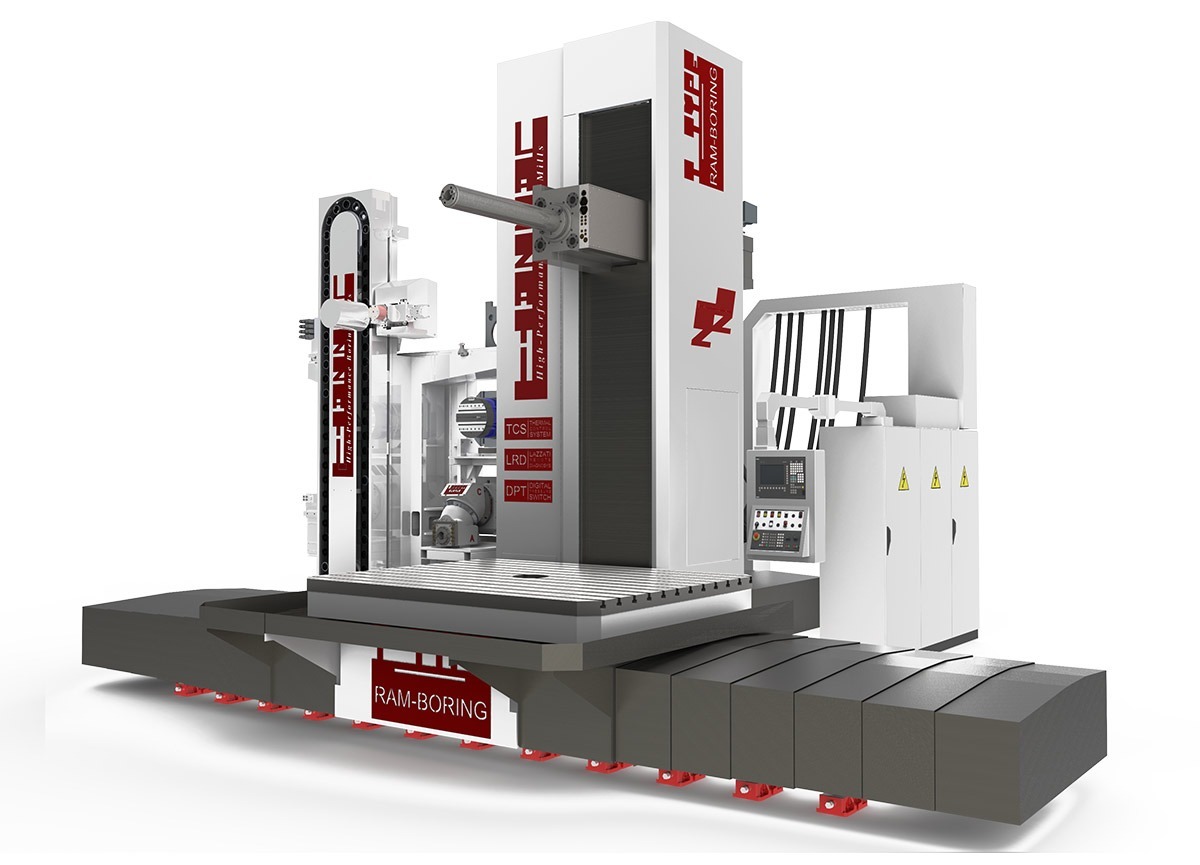
LAZZATI machines are suitable for large and precision aerospace components such as landing gear assemblies, wing structural parts, fuselage frames, engine mounts, actuator housings, precision brackets, and tooling fixtures. T-Type Milling and T-Type Ram Milling configurations are generally preferred when multi-face machining and 5-axis capability are required. T-Type Ram Boring can also be considered for deep-hole operations in selected landing gear or structural applications. The final configuration depends on part geometry, material, tolerance requirements, and production workflow.
How does LAZZATI support aerospace quality requirements?
LAZZATI supports aerospace quality requirements through stable machine geometry, hydrostatic accuracy retention, digital monitoring, and process control systems. The combination of LHS, TCS, DCS, LHI 5.0, and LIA 1.0 helps maintain repeatable machining conditions over time. This is relevant for manufacturers working with tight tolerances, full process traceability, and controlled production batches. LAZZATI machines are designed for applications where dimensional consistency and documented process stability are central to aerospace manufacturing.
LAZZATI hydrostatic boring and milling machines are widely used in aerospace applications where long-term accuracy, rigidity and stability are essential. Aerospace manufacturers machine large structural components, fixtures, tooling and landing-gear elements that require consistent geometry over extended machining cycles. Hydrostatic guideway technology ensures stable axis behaviour by eliminating mechanical contact and friction-related wear, supporting precise positioning over long strokes. Combined with rigid machine structures and controlled thermal behaviour, this architecture enables predictable and repeatable machining results.
LAZZATI Evo4.0 machines are configured to handle aerospace requirements through large working envelopes, modular heads and integrated control systems that support process stability and diagnostics. Each machine configuration is defined according to component size and application needs. Designed as Investment Grade Machinery, LAZZATI solutions retain accuracy and performance across demanding aerospace production environments. The Hydrostatic Boring Mill. We BOOST Your Profits.